Wynton Kelly's Steady Hand Behind Jacquet's Blues
Jacquet cuts loose over a rhythm section that never wavers, anchored by Kelly's unfussy, swinging piano.
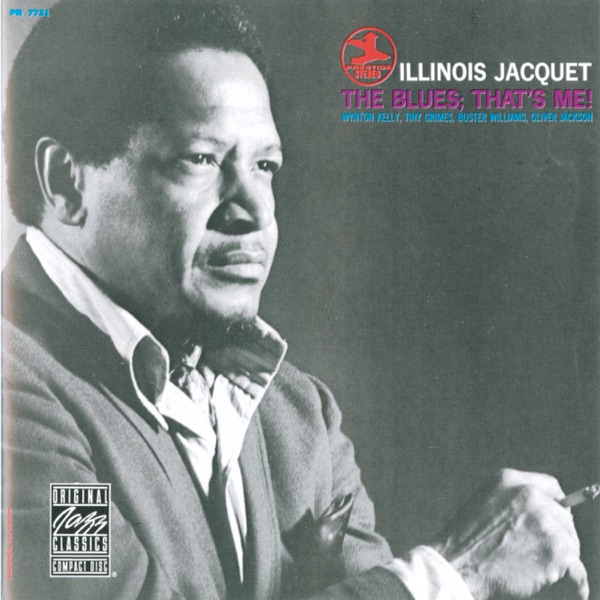
What makes this record distinctive is how firmly Wynton Kelly plants himself at the center. Jacquet is the headliner—his tenor and soprano saxophones carry the melodies and do the work—but Kelly's piano is the spine that holds everything upright. He doesn't accompany so much as converse, dropping in precise, economical chords that give Jacquet room to breathe and bend without any sense of strain. On a session that sits between swing, bebop, and early R&B, Kelly keeps the footing steady. He's not flashy. He's the opposite of flashy. But that restraint is what lets Jacquet's phrasing and tone—especially his blues vocabulary—come through cleanly.
Buster Williams on bass and Oliver Jackson on drums complete a rhythm section that swings without pushing. Tiny Grimes on guitar adds a textural warmth to certain tracks, a touch of soul that recalls earlier blues-guitar traditions. Jacquet was in top form here, moving between his instruments with confidence and landing hard on the blues whenever the tune called for it. The material isn't surprising—standards and originals in a familiar pocket—but the execution is sharp and genuine.
AllMusic reviewer Scott Yanow noted the music's excitement and called it highly recommended, which says something about the session's overall energy. This isn't a breakthrough album or a peak moment in Jacquet's catalog. It's a solid, swinging date that catches him working with musicians who understood what he was after. For listeners interested in tenor saxophone work that honors the blues lineage while staying conversant with bebop, this one delivers.
Who's playing
Buster Williamsbass
Wynton Kellypiano
Tiny Grimesguitar
Oliver Jacksondrums
Illinois Jacquetwind instruments
Where next?
More by Illinois Jacquet
All 28 albums →

The musicians on this record
Their own records, close in time