The Organ Man's Two Lives
If you want to understand what soul jazz organ was supposed to sound like before it got fancy, start with Johnny Hammond Smith. He came up in Louisville, Kentucky, learned piano first, and switched to Hammond organ around the time Jimmy Smith was blowing everyone's mind with what the instrument could do in a jazz combo. Johnny Hammond Smith took that same basic recipe — organ trio, tenor sax, some blues changes, a backbeat you could dance to — and made it his own. His records from the late fifties and through the sixties, things like Talk That Talk (1959), are built for late-night listening. Nothing flashy, just deep pocket grooves and that fat, churchy organ tone.
What made him different from the pack of organists working the same territory was restraint. He wasn't trying to out-run anybody or prove he could play a thousand notes a minute. He'd sit in a groove and let it breathe, comping behind horn players like Houston Person and letting drummers like Idris Muhammad carry the heat while he colored things in underneath. That patience is what separates the guys who made soul jazz feel like a party from the guys who just made it feel busy.
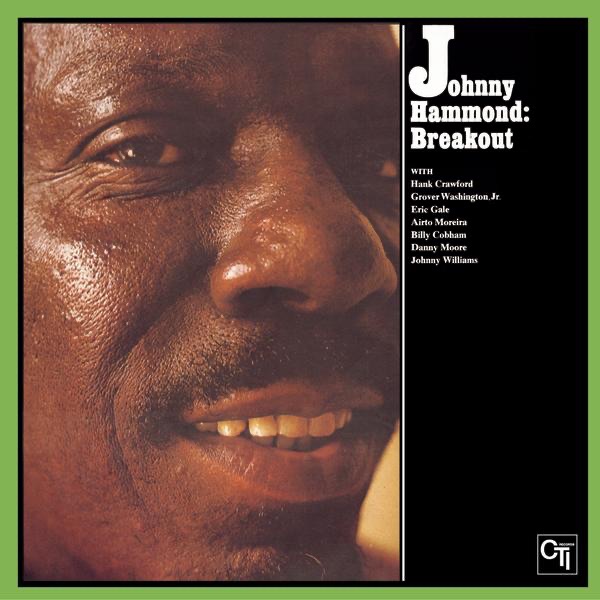
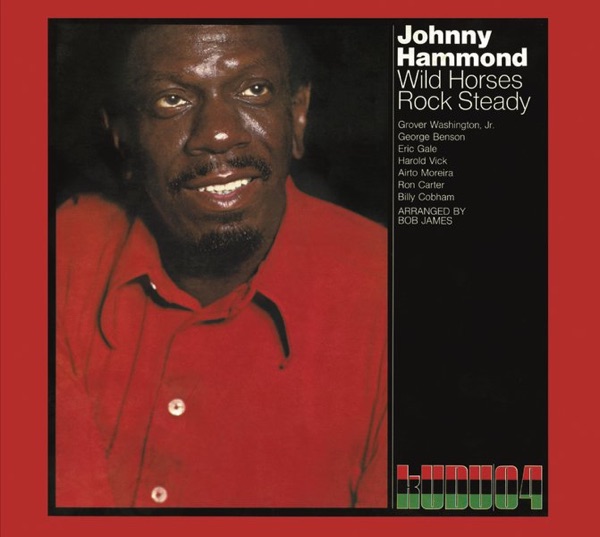
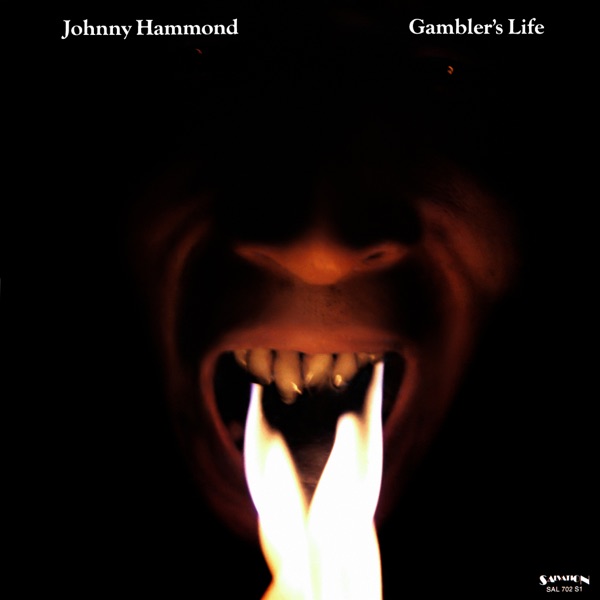
Then in the seventies he did something a lot of his organ-playing peers never managed — he actually changed with the times instead of getting stuck. Signed to Creed Taylor's Kudu label, he dropped his last name entirely, billed himself simply as Johnny Hammond, and started making records soaked in funk, wah-wah guitar, and disco-adjacent grooves. Gears (1975) is the one people still dig up today, largely because it got sampled to death by hip-hop and house producers decades later. It's a strange, fun record — half jazz-funk, half party music — and it shows a guy who wasn't precious about his own history.
He never became a household name the way Jimmy Smith or Ray Charles did, and his catalog is a little uneven if you go album by album. But dig into the right records and you get a musician who understood two different eras of Black American dance music from the inside, and who played the organ like it was meant to make people move, not just admire the tone. That's not a small thing.
Start with the Prestige years if you want the blues-drenched, church-inflected sound. Jump to the Kudu records if you want to hear how soul jazz mutated into something funkier. Either way, you're listening to a guy who spent thirty years finding new ways to make an organ groove, and mostly succeeded.