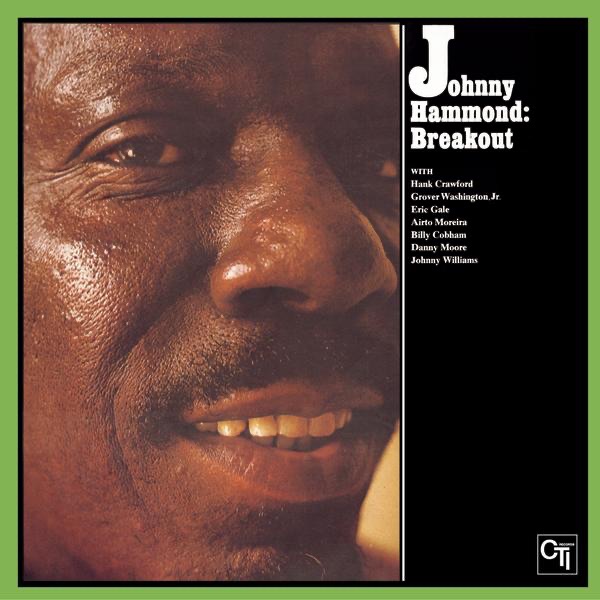
Lem Winchester's Vibes Light the Way
Winchester's vibraphone cuts through the organ with crystalline precision, refusing to blend into the background.
Lem Winchester's vibraphone is what makes this album breathe. While Johnny "Hammond" Smith commands the organ with his typical soulful drive, it's Winchester who gives the session its shape and urgency. His lines are clean and decisive, never sliding into the cushioned blur that vibraphone can become in less careful hands. He sits high in the mix, trading phrases with Hammond and pushing the tempo rather than settling into it. On every track, Winchester finds pockets where his instrument cuts through — not fighting the organ, but sparring with it.
Harmonically, the pairing works because they think differently. Hammond's organ is thick and bluesy, rolling through changes with gospel-rooted authority. Winchester approaches the same changes more obliquely, landing on intervals that surprise without disrupting. Wendell Marshall on bass and Eddie McFadden on guitar hold the foundation steady, but the real conversation is between Hammond's left hand and Winchester's steel bars. This was Hammond's bread-and-butter era, turning out solid small-group soul-jazz for Prestige, but Winchester elevates it beyond the routine. He brings intelligence to what could have been a workmanlike session.
The session was recorded in 1960 and released in 1961, sitting comfortably in Hammond's discography — not a peak, not a deviation, just solid work from musicians who knew how to play together. If you come to this album expecting Hammond's organ to be the main event, Winchester will catch you off guard. That's the point.
Who's playing