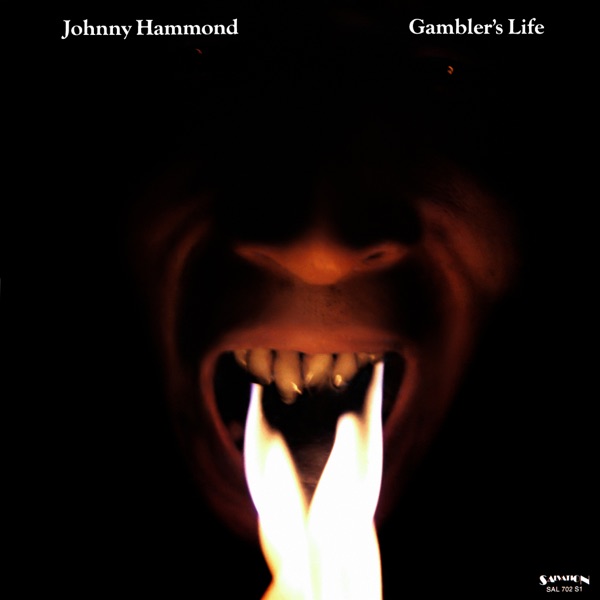
1974 · Album
Gambler's Life
Recorded 1974 · Kudu Records · Produced by Larry Mizell
Hammond's Groove Under Mizell's Careful Hand
A lean, soulful organ record where every note serves the groove, never the ego.
Larry Mizell produced Gambler's Life (1974) with a producer's discipline that suited Hammond perfectly. This wasn't a session where the organist laid down whatever came to mind — Mizell shaped the sound, and Hammond responded with some of his most focused playing. The result is an album that feels economical and purposeful in a way his earlier, more sprawling records sometimes weren't.
Hammond's organ is the obvious center, but it's the restraint that matters. On tracks built around a single groove, he doesn't race ahead or indulge in showiness. Instead he locks into pocket playing, letting the rhythm section breathe and giving the melody room to land. The production favors clarity over density — you can hear each instrument, which makes the ensemble work sharper and more satisfying than it might have been in a muddier mix.
This sits comfortably in Hammond's middle period, after his Blue Note days but before any real decline. It's not his most celebrated work, and it doesn't need to be — Gambler's Life (1974) is simply a solid, listenable soul-jazz record made by musicians who understood what they were doing. For anyone already into Hammond's playing, it's a worthwhile stop. For newcomers, start with his earlier Blue Note material first, but don't skip this one.