The Turntable Joins the Band
DJ Logic, born Jason Kibler in the Bronx, came up on hip-hop but ended up somewhere stranger and more interesting. By the mid-1990s he was sitting in with jazz and funk musicians who had no business sharing a stage with a turntablist, and somehow it worked. His scratches weren't decoration on top of the music. They functioned like another instrument, phrasing with the bass player, answering the drummer, cutting in and out the way a trumpet player might.
The breakthrough collaboration was with Medeski Martin & Wood, the organ trio that was already pulling jazz toward funk and groove. Logic fit right into their world, and that connection opened doors into the jam band scene, where fans of improvisation didn't care that the guy on stage was spinning vinyl instead of playing keys. He became a regular presence at festivals that had nothing to do with hip-hop, which is exactly how he wanted it.
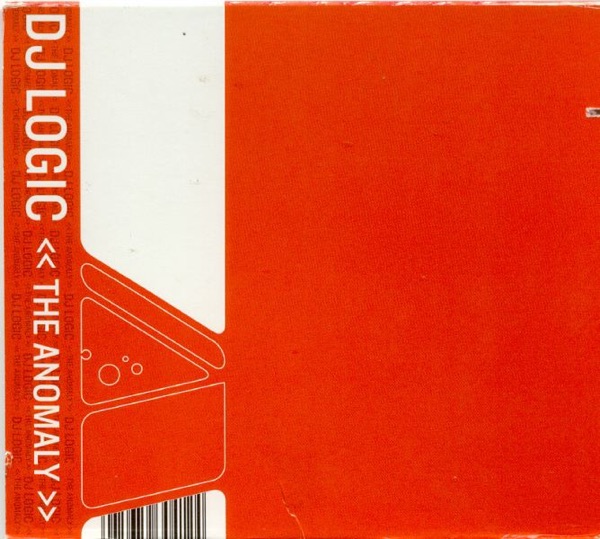
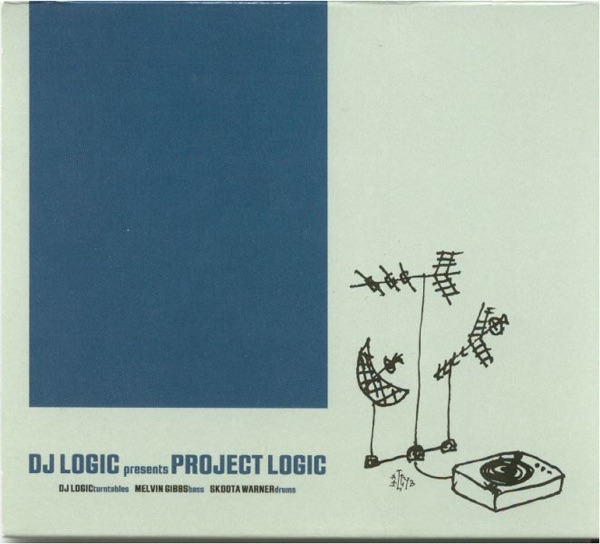
His own project, Project Logic, let him stretch out further, mixing jazz samples, live musicians, and turntable work into something that sounded like a hip-hop record raised on Blue Note reissues. He also teamed up with guitarist Vernon Reid in the Yohimbe Brothers, pushing the turntable-as-instrument idea even harder, treating scratches like guitar solos and building tracks that moved between groove and noise without much warning.
What makes DJ Logic worth knowing isn't that he reinvented jazz. It's that he found a genuinely different way into it. Most turntablists in the 90s were chasing hip-hop purity or battle scratching. Logic was listening to Herbie Hancock and Sun Ra just as closely as he was listening to breakbeats, and he figured out how to put both in the same room without either side feeling like a guest. If you want to hear what happens when a DJ actually joins the band instead of just sampling it, start here.