She Heard Everything, Forgot Nothing
Before you press play, here's the thing you need to know: Cécile McLorin Salvant is not trying to recreate anything. She sounds like she has heard every recording Bessie Smith ever made, every Billie Holiday phrasing, every vaudeville creak and cabaret shimmy — and instead of imitating any of it, she figured out how it all works and then ran her own ideas through that machinery. The result is something that feels genuinely old and genuinely present at the same time, which is much harder to pull off than it sounds.
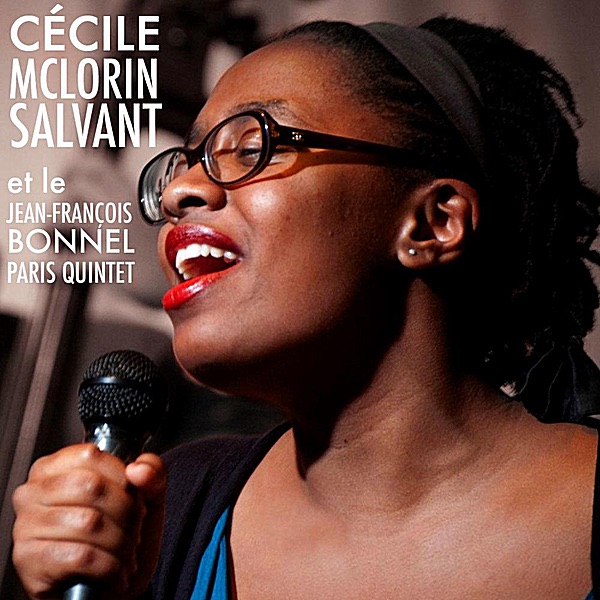
Her voice is a serious instrument — wide range, precise control, and a quality of dryness when she wants it that keeps her from ever going soft or sentimental when the song doesn't earn it. She can belt, she can whisper, she can do something odd and slightly theatrical in the middle of a standard that makes you sit up and wonder what just happened. She phrases like a horn player, which means she's thinking about where not to put the note as much as where to put it. That restraint is actually what makes the emotional moments land — she earns them.
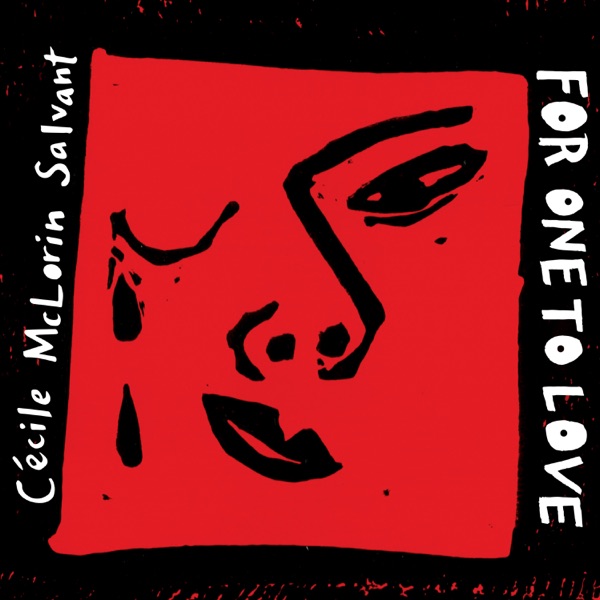
Her material choices are also worth paying attention to. She goes deep into the pre-war American songbook, pulling out songs that most singers left behind decades ago, some of them because the lyrics are genuinely uncomfortable — songs about race, about gender, about power — and she doesn't sand those edges down. She seems to find exactly those edges interesting. Albums like WomanChild (2013) and For One to Love (2015) established her seriousness, but Ogresse (2015) — a song cycle about a mythical giant woman who eats men — showed that her ambitions ran well past the jazz vocal recital format. Ghost Song (2022) pushed even further, incorporating art song and original compositions alongside the older material, with Aaron Diehl and various chamber players making it feel less like a jazz record and more like its own strange category entirely.
She works closely with Aaron Diehl, her longtime pianist, and the rapport shows. He knows when to stay out of the way and when to push her somewhere she hasn't been yet. She has also collaborated with Wynton Marsalis and recorded with The Jazz at Lincoln Center Orchestra, which says something about the institutional respect she commands, even as her actual artistic project seems largely indifferent to institutional approval. Sullivan Fortner has also been an important collaborator in her touring and recording work.
If you're coming to her for the first time, WomanChild (2013) is probably the clearest entry point — it puts her voice front and center with relatively spare accompaniment and covers enough ground stylistically that you get a real sense of who she is. But if you want to understand what she's actually after as an artist, Ghost Song (2022) is the more honest answer. It's weirder, more demanding, and more specifically hers. Start with the first record to hear what she can do. Then put on the second one to find out where she's going.