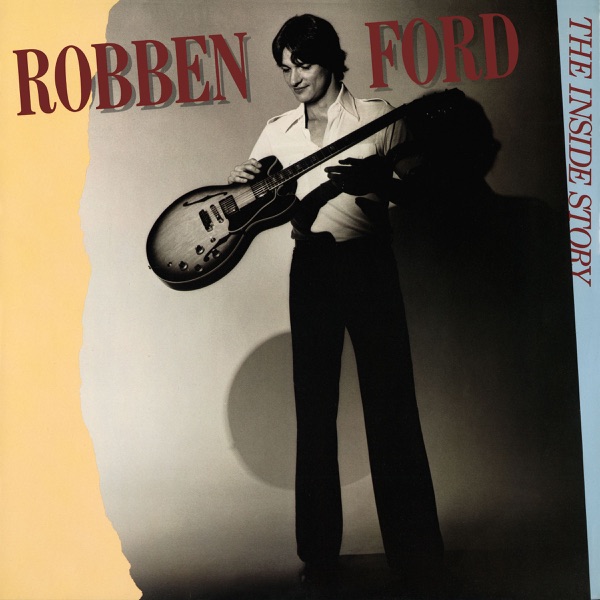
A Bluesman Among Jazz Players
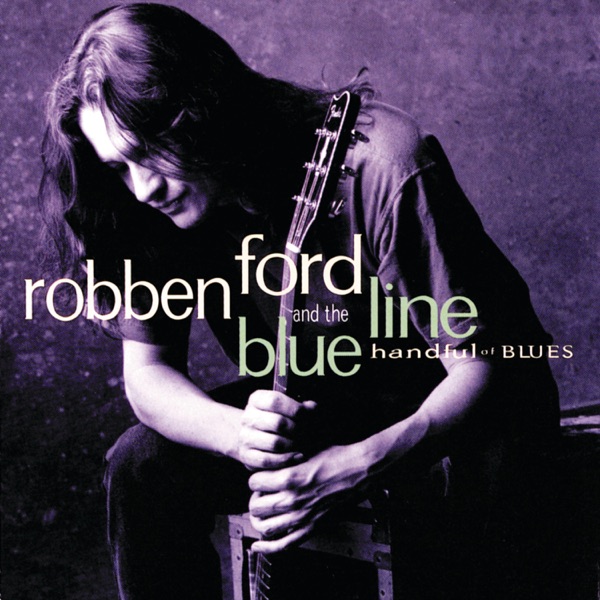
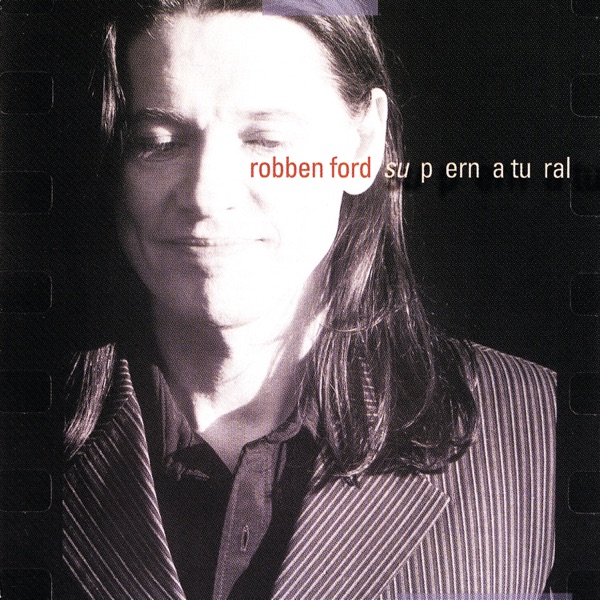
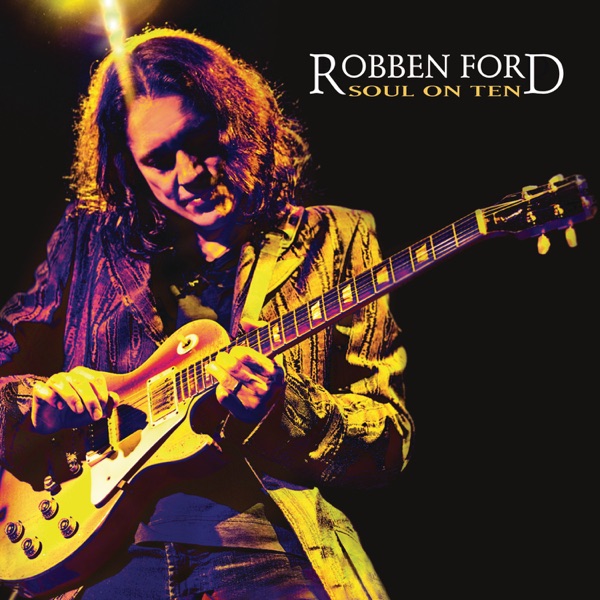
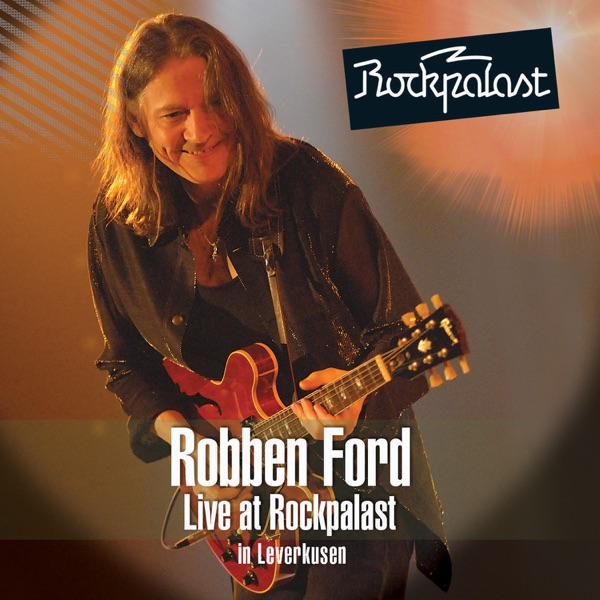
Start with the sound, because that's really the whole story with Robben Ford. He plays guitar with a tone that's thick and vocal, full of bends and slides straight out of Chicago blues, but he puts those bends over chord changes that would make most blues guitarists nervous. Altered dominants, modal shifts, the kind of harmony Wes Montgomery or Grant Green might reach for — Ford treats all of it like it's just another blues in a different key. That combination is rare. Plenty of guitarists can play fast over changes. Fewer can make it sound like it still hurts.
He grew up in California and cut his teeth backing blues and soul singers, including a stretch with Jimmy Witherspoon that taught him how to accompany a voice instead of just soloing over it. That skill got him noticed. Joni Mitchell brought him into her band in the mid-1970s as part of the L.A. Express, and suddenly a blues player was touring behind one of the most harmonically adventurous songwriters in pop music. A few years later Miles Davis wanted him on guitar for a stretch of live dates — which tells you something, because Miles did not hire guitarists who couldn't keep up.
In 1981 Ford co-founded Yellowjackets, and while the band drifted toward smooth, radio-friendly fusion over the years, those early records still have some grit in them, his guitar cutting against the keyboard-heavy arrangements. He left to focus on his own name, and that's where his real identity got clear. Albums like Talk to Your Daughter (1988) put the blues front and center again, Grammy-nominated and built around songs rather than just stretches to solo over. Later records like Discipline (1995) pushed further into jazz harmony without ever losing that blues backbone.
What I'd tell a friend before pressing play: don't expect a jazz guitarist trying to sound bluesy, or a blues guy trying to sound sophisticated. Ford doesn't split the difference — he just doesn't see the two as separate languages. If you want to hear someone genuinely fluent in both idioms at once, without the seams showing, this is the guy. He's spent decades proving that blues phrasing and real harmonic depth aren't opposites, they're just two things a good guitarist should be able to do in the same breath.