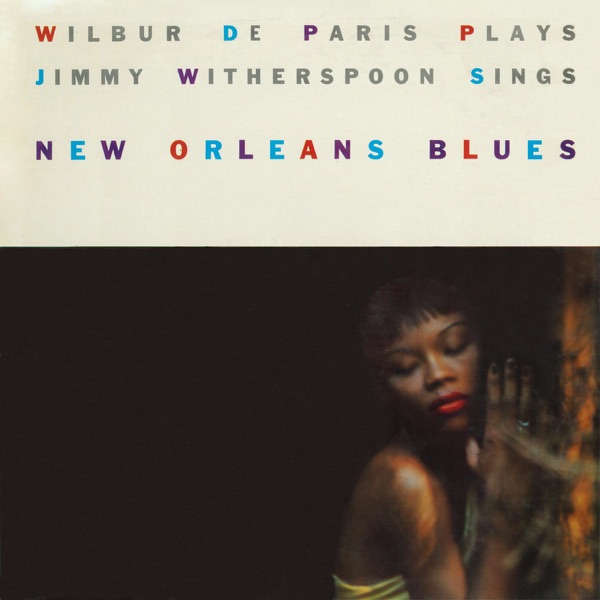
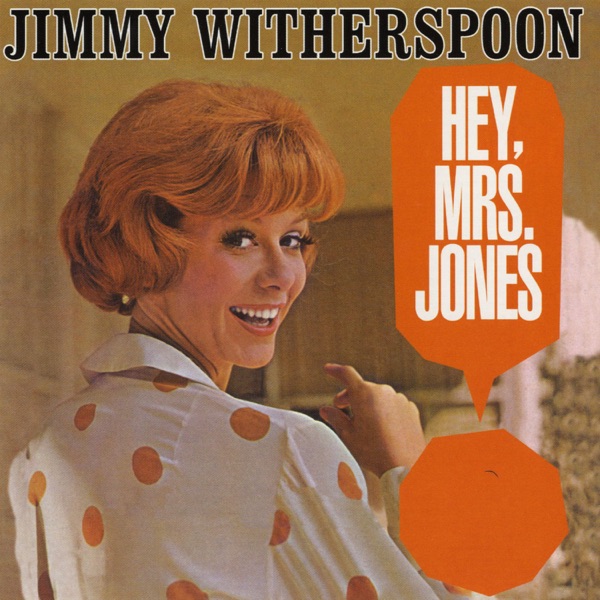
The Loudest Honest Voice
Jimmy Witherspoon came out of Arkansas and landed, almost by accident, in the middle of Kansas City's postwar jump-blues scene. He got his break singing with Jay McShann's band, and his version of Ain't Nobody's Business (1949) turned him into a star on the R&B charts. That record alone could have been the whole story — a blues shouter who had his moment and faded, which is what happened to a lot of singers from that circuit.
But Witherspoon kept going, and more importantly, jazz musicians kept wanting to play with him. By the late 1950s his career had cooled off, and then he showed up at the Monterey Jazz Festival in 1959 backed by Woody Herman's band plus guest shots from players like Ben Webster and Roy Eldridge, and it reminded everybody what he could do live. The resulting album caught him at full strength, a big voice riding on top of a horn section instead of fighting it.
What makes Witherspoon worth your time isn't innovation — he wasn't rewriting how blues or jazz singing worked. It's that he sounded completely unbothered by the fact that he was singing twelve-bar blues phrases over sophisticated jazz charts. He never tried to smooth out his voice to fit the room. Put him next to Gerry Mulligan or Buck Clayton and he still sang like he was working a Saturday night crowd in Kansas City, and somehow that never felt out of place.
He recorded steadily into the 1970s and beyond, including dates with Eric Clapton and other rock and blues figures who grew up loving his records, which tells you something about how far his sound traveled outside jazz circles. He wasn't a stylist who needed elaborate arrangements to sound good — a rhythm section and a horn or two was plenty. If you want to hear what a blues voice sounds like when it refuses to apologize for being a blues voice in a jazz room, start with Witherspoon.
Listen to him on a good night and you understand why bandleaders kept calling him even after the hits dried up. He just sang the truth loud, and let the band catch up.