Where do you listen?
Choose your streaming service
inside the sleeve
Loading…
inside the sleeveITS
⌕
Read About
Multi-Instrumentalist - United States - Avant-Garde Jazz

Rahsaan Roland
Kirk

1936 - 1977, United States

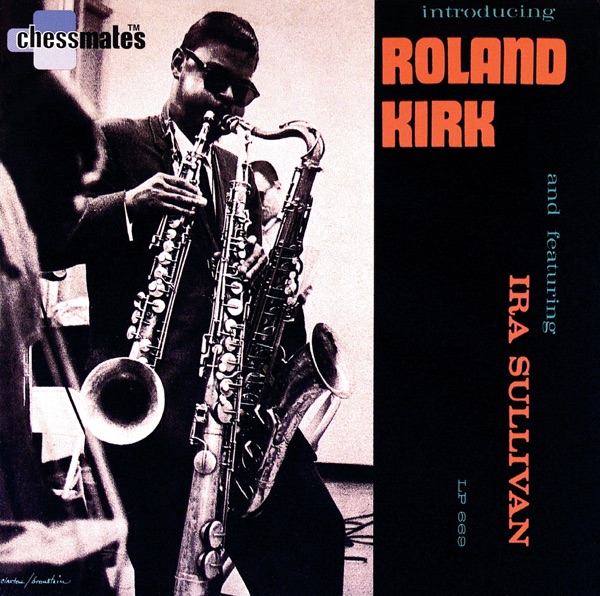
Rahsaan Roland Kirk could play three horns at once and somehow make it sound like a conversation, not a party trick. He was blind, loud, funny, political, and completely serious about music even when he was juggling a tenor sax, a manzello, and a stritch at the same time.

Hard BopSoul JazzFree JazzSpiritual Jazz
Rahsaan Roland Kirk

Three Horns, One Heartbeat

Start here: Rahsaan Roland Kirk actually could play multiple wind instruments simultaneously, for real, not as a gimmick you'd catch him faking on a good night. He'd have a tenor sax, a manzello (a modified saxello), and a stritch (a straight alto) all rigged up and going at once, playing harmonized lines like a one-man horn section. He also mastered circular breathing, which meant he could hold a note literally forever while inhaling through his nose. People sometimes dismissed this as novelty. It wasn't. Listen to Rip, Rig and Panic (1965) and you hear a guy using every tool available to say something urgent.

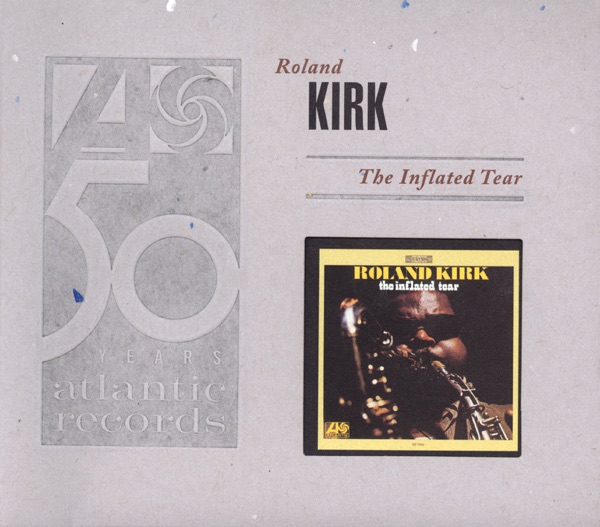
Kirk went blind as a small child after a botched medical treatment, and he never let that define him as a victim of anything. If you know one record, make it The Inflated Tear (1968), which is probably his most complete statement — blues, freedom, humor, tenderness, all stacked on top of each other in a way that never feels showy. He renamed himself Rahsaan after hearing the name in a dream, and by the early seventies he was folding flutes, whistles, sirens, and even a strung-together nose flute into his live sets, because why not.

He came out of the hard bop and soul jazz tradition but never stayed inside it. He'd quote Ellington and gospel hymns in the same breath as free improvisation, and he had a running argument with the jazz establishment about who got credit for what, especially around African American musicians being erased from the story of their own music. He talked about this onstage, constantly, sometimes to the point where audiences didn't know if they were at a concert or a lecture. Both, probably.

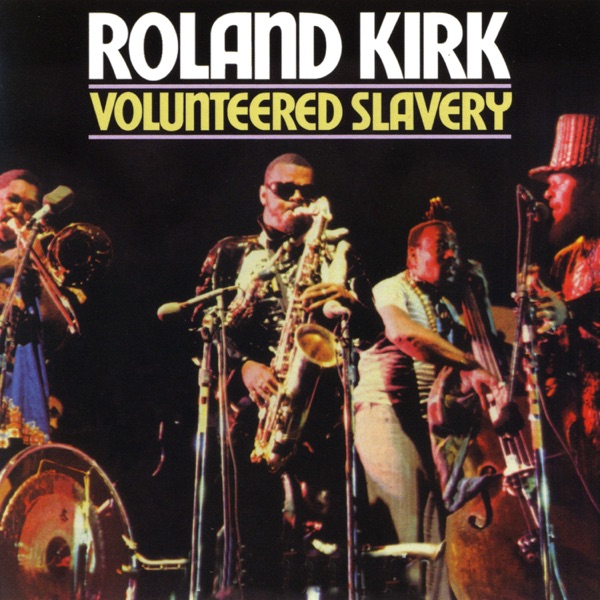
Volunteered Slavery (1969) shows him leaning harder into that political voice, mixing soul and funk grooves with straight-up sermonizing. He wasn't precious about genre lines — he'd throw a pop tune next to an avant-garde blowout on the same record and dare you to keep up.

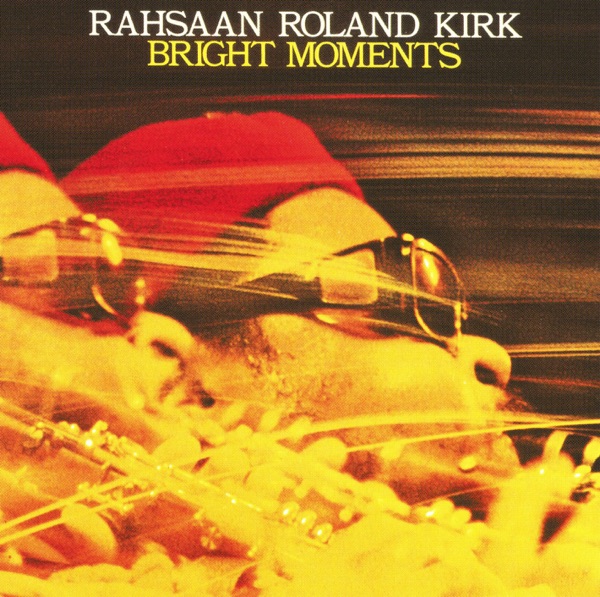
He kept working after a stroke in 1975 left him partially paralyzed, relearning how to play with what he had left, which tells you something about how much this music actually meant to him beyond performance. Bright Moments (1973) captures him live, loose, funny, and still hitting notes most two-handed players couldn't touch. Kirk died in 1977, way too young, and he never quite got the mainstream respect his musicianship earned him — probably because people couldn't decide if he was a serious artist or a circus act. He was both, and neither description does him justice.
Facts
BornAugust 7, 1936, Columbus, Ohio
DiedDecember 5, 1977, Bloomington, Indiana
InstrumentTenor saxophone, manzello, stritch, flute
Active1950s - 1977
Known forPlaying multiple horns simultaneously, circular breathing, blending blues, free jazz, and political commentary
Connections
Charles MingusCollaborator, New York City
→
Jaki ByardBandmate and pianist, New York City
→
Elvin JonesDrummer collaborator, New York City
→
Read more

Discography

40 records
Triple Threat
Triple Threat
1957
Introducing Roland Kirk
1960
Kirk’s Work
Kirk’s Work
1961
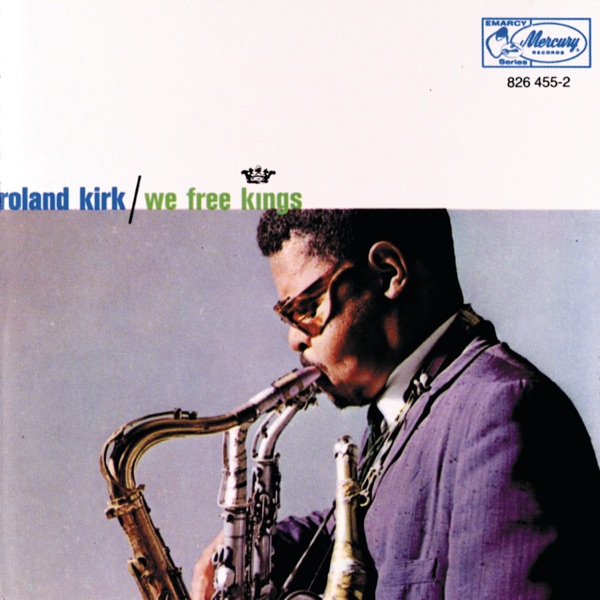
We Free Kings
We Free Kings
1961
Domino
Domino
1962
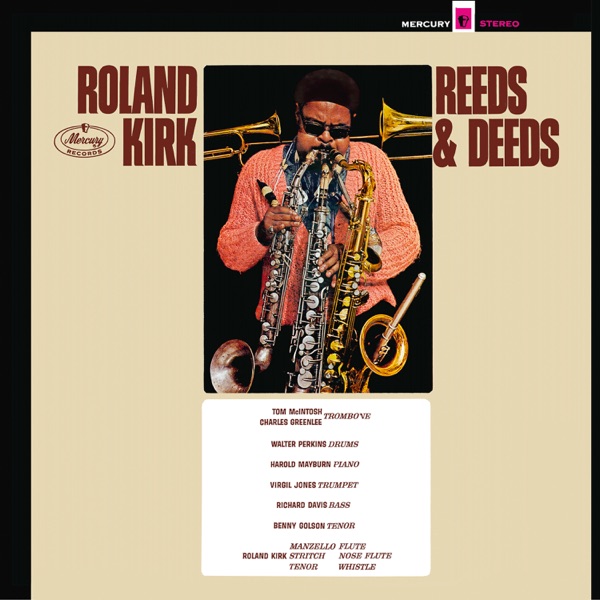
Reeds & Deeds
Reeds & Deeds
1963
Gifts & Messages
Gifts & Messages
1964
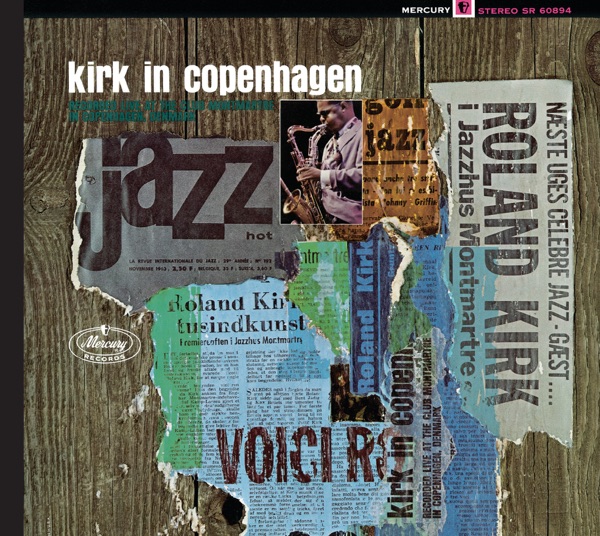
Kirk in Copenhagen
Kirk in Copenhagen
1964
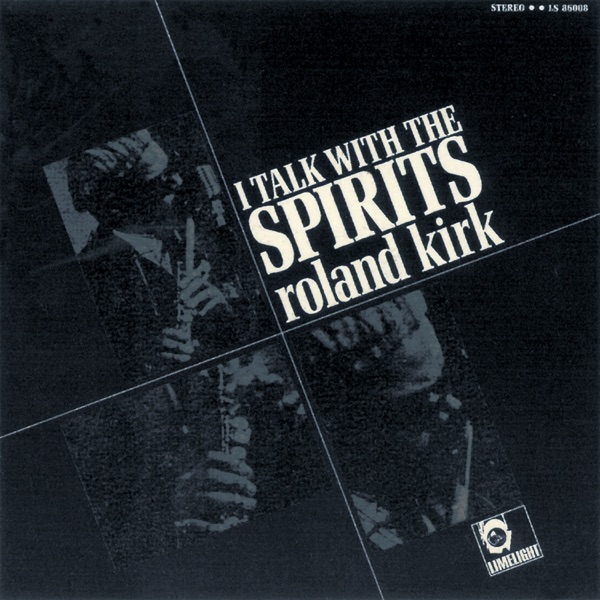
I Talk With the Spirits
1965
Slightly Latin
Slightly Latin
1966
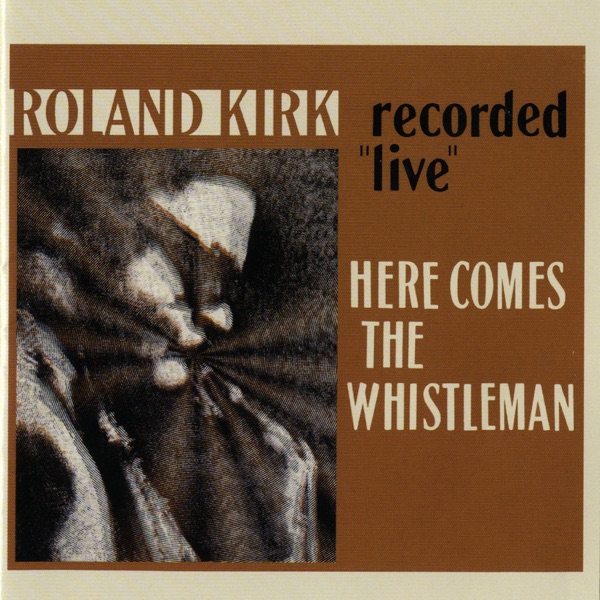
Here Comes the Whistleman
1967
The Jazz Corps
The Jazz Corps
1967
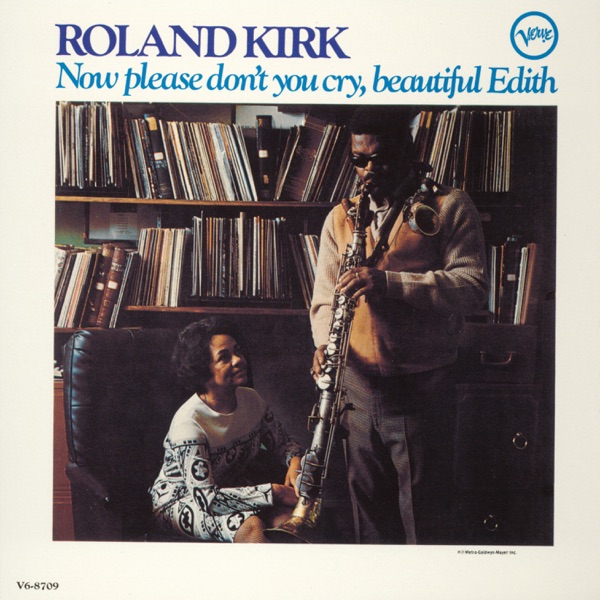
Now Please Don’t You Cry, Beautiful Edith
1967
The Inflated Tear
The Inflated Tear
1968
Volunteered Slavery
Volunteered Slavery
1969
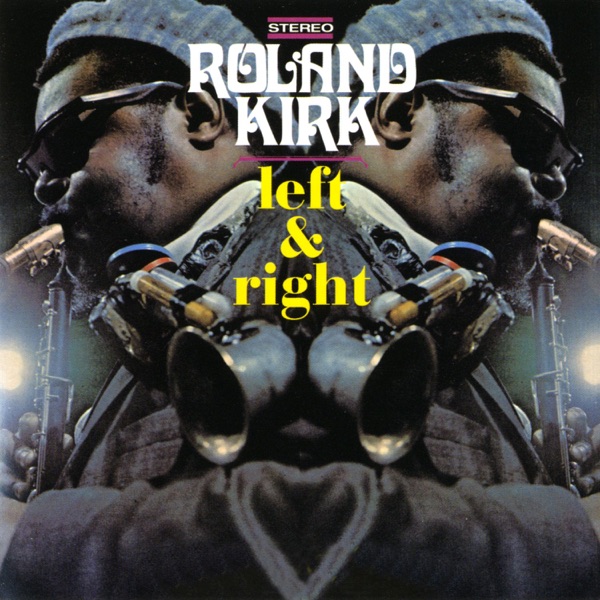
Left & Right
Left & Right
1969
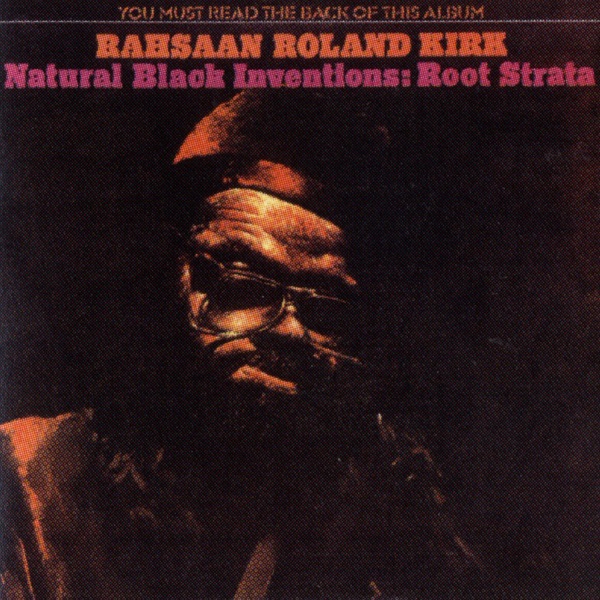
Natural Black Inventions: Root Strata
1971
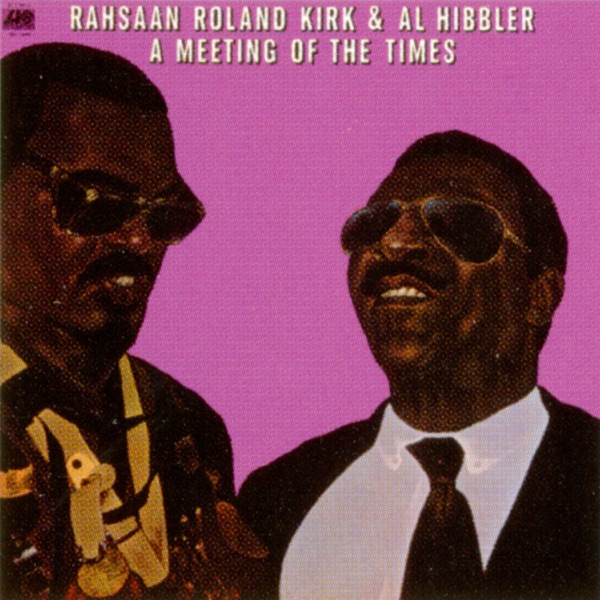
A Meeting of the Times
1972
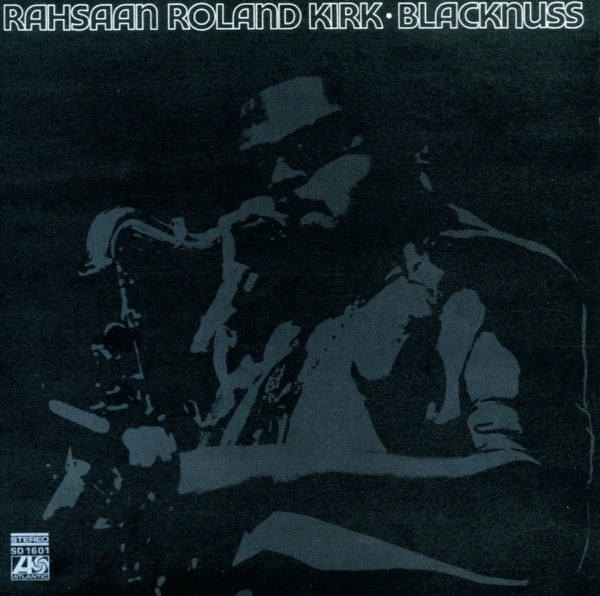
Blacknuss
Blacknuss
1972
Bright Moments
Bright Moments
1973
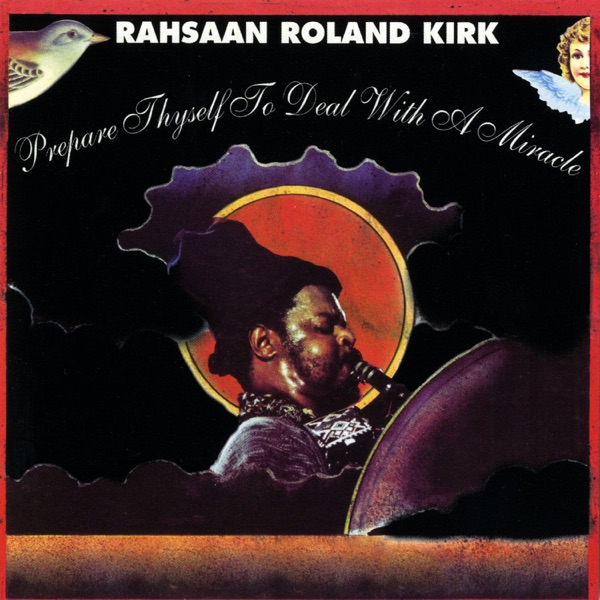
Prepare Thyself to Deal With a Miracle
1973
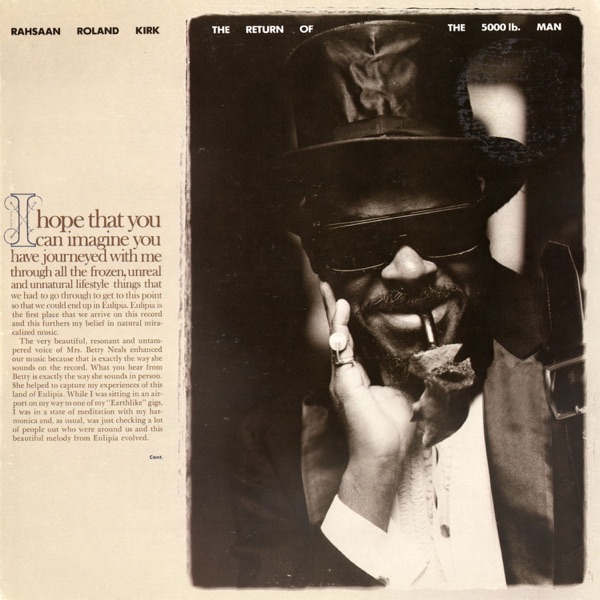
The Return of the 5000 Lb. Man
1975
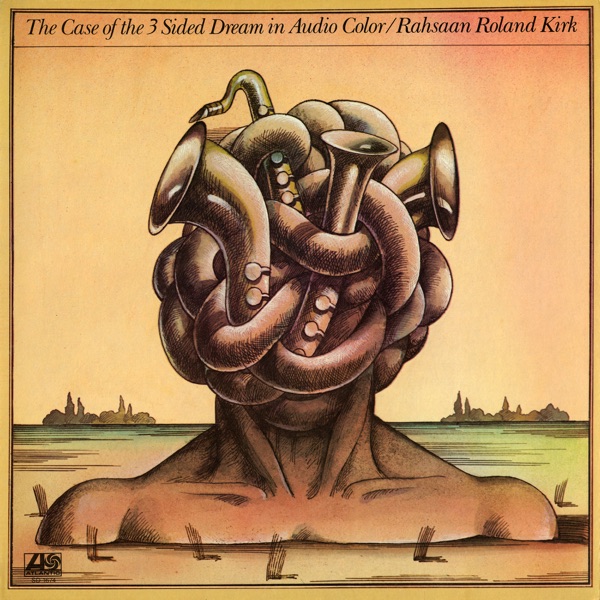
The Case of the 3 Sided Dream in Audio Color
1975
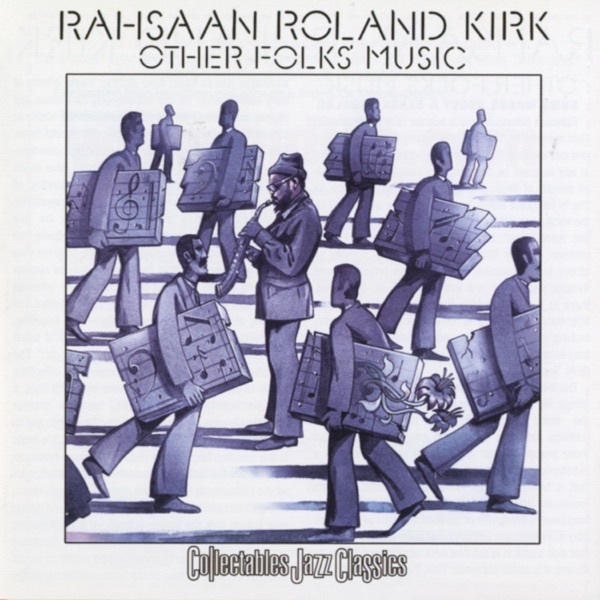
Other Folks’ Music
Other Folks’ Music
1976
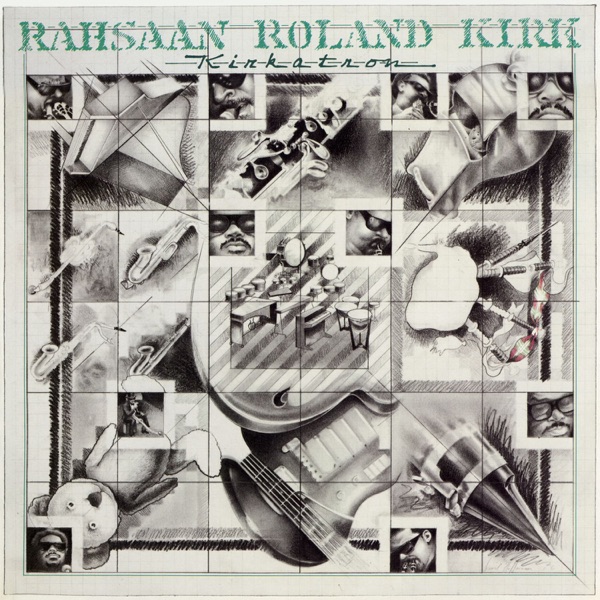
Kirkatron
Kirkatron
1977
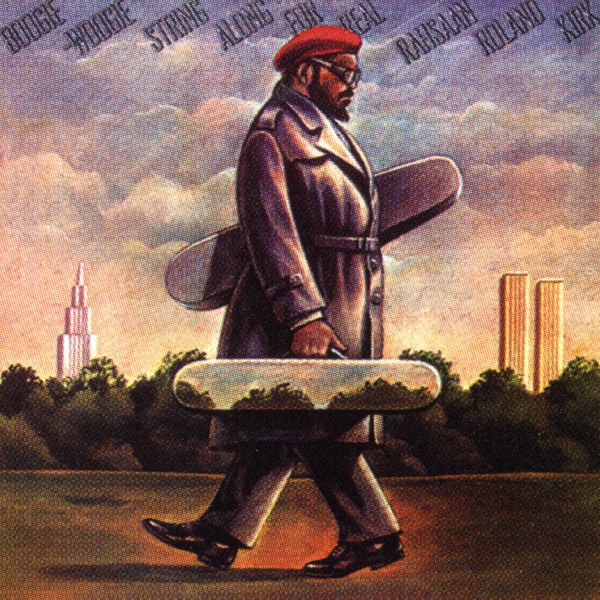
Boogie-Woogie String Along for Real
1978
Live in Paris, 1970, Vol. 2
1988
Live in Paris Vol. 1
1988
♫
The Man Who Cried Fire
1990
Sweet Fire
Sweet Fire
1991
♫
Les Génies du Jazz (Tome 6, No. 2): Roland Kirk (Black Classical Music)
1991
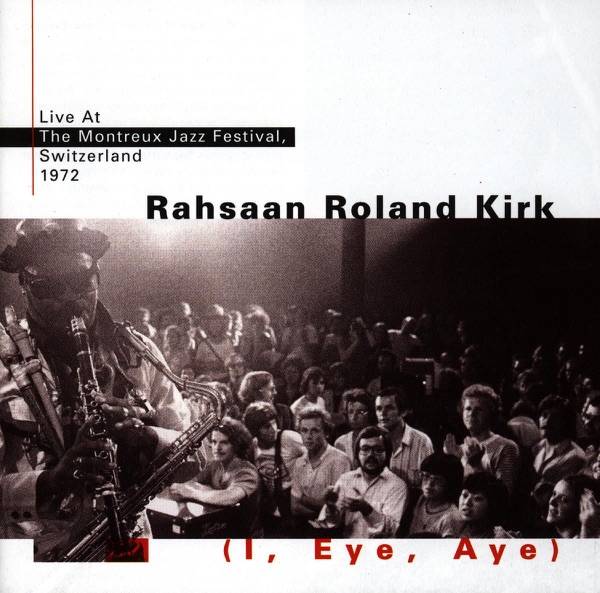
(I, Eye, Aye)
(I, Eye, Aye)
1996
Gifts and Messages
Gifts and Messages
1996
♫
Compliments of the Mysterious Phantom
2003
♫
In Europe 1962-1967
2006
♫
Brotherman in the Fatherland
2006
♫
1972-04-02: Village Vanguard, New York City, NY (USA)
2010
♫
Live in Dortmund 1976
2017
♫
Live at Ronnie Scott’s, 1963
2022
Live in Paris (1970)
2024

Collaborations

Live on Youtube

Explore Further

Selected connections
Album, 1968
The Inflated Tear (1968)
His most complete and emotionally direct record — start here before anything else.
Explore →
Reedist, United States
Eric Dolphy
Another multi-instrumentalist reed player pushing past bebop convention around the same era.
Explore →
Drummer, United States
Elvin Jones
Played alongside Kirk and shared his taste for controlled chaos and deep swing.
Explore →

Who's playing
Listen next
Recording Info
Track listing
Musicians
Further Reading
Read more

Where next?

More by this artist

Albums with the same musicians

From the same era

Similar artists

inside the sleeve
Growing
Jazz, explained without pretension.
Read · Follow the connections · Press play
Right now: 7,100+ albums · 440+ artists
Start here
New to jazz? These artists are good places to start.
Loading…
Explore
Nine records worth getting lost in.
Born today
Album of the day
A landmark record, every day.
Read
  • Loading…
Article archive →
Recently added
Purpose
Inside the Sleeve is your companion on a journey through jazz — not a textbook, but something closer to a knowledgeable friend sitting next to you while you listen. Read about an artist, press play, follow a connection, discover an album you didn't know you needed.
Suggestions
Read

Articles

Essays, guides, and lists about jazz and the records that matter.

Loading…

Genre

Key Artists
Further Reading

Essential Albums

Related Genres

In This Genre

About

Inside the Sleeve

Work in progress

Inside the Sleeve grows continuously — new artists and albums are added, essays refined, as visitors explore and our editors follow up on what they find. Content, features, and design are still evolving; use the Report error button on any page to flag something that seems off.

Content

Every artist, album, and release date on Inside the Sleeve is real — verified against trusted sources including MusicBrainz and Wikipedia. We don't invent discographies or fabricate records. AI compiles that verified information into readable prose — essays on artists, albums, and the music itself. We can't manually review every essay before publishing, but every reported error is checked by a human editor.

Inside the Sleeve is not a review site. We're not here to rate or rank — we're here to guide you in. Where an album stands out, we'll say so. Where an artist changed everything, you'll know why. But we won't tear anything down. Jazz history is complex and sources sometimes disagree — if you spot something that seems off, please report it.

Streaming

Inside the Sleeve links to Spotify and Apple Music so you can listen while you read. These are not affiliate links. For Spotify, links open a search on open.spotify.com — we do not have direct links to specific recordings. For Apple Music, direct links are used where available, otherwise a search is opened.

Your choice of streaming service is stored locally in your browser only. It is never sent to our servers.

We're working on deeper Spotify integration, including direct links to specific recordings.

Privacy

Inside the Sleeve does not collect personal data and does not use cookies. We count page visits anonymously using a self-hosted analytics tool — no personal identifiers are stored, and the data never leaves our own server. The only preference stored on your device is your streaming service choice, saved locally in your browser and never transmitted.

When you submit a suggestion or error report, the text you write is stored in our database. No name or email is required or collected unless you choose to provide one.

Third-party services

Spotify and Apple Music are independent services with their own terms of use and privacy policies. Inside the Sleeve is not affiliated with or endorsed by either company.

Support

Inside the Sleeve is free and ad-free. If you enjoy it, a coffee helps cover server costs and keeps the project going.

Amazon

Some book recommendations on Inside the Sleeve link to Amazon. Buying through these links costs you nothing extra — but Amazon pays us a small commission, which goes directly towards keeping the site running. It's a simple way to support the project if you were going to buy the book anyway.

As an Amazon Associate, Inside the Sleeve earns from qualifying purchases.

Questions or feedback? Use the suggestion box on the front page.

Inside the Sleeve — A guide for those who want to go beyond the obvious About & Privacy