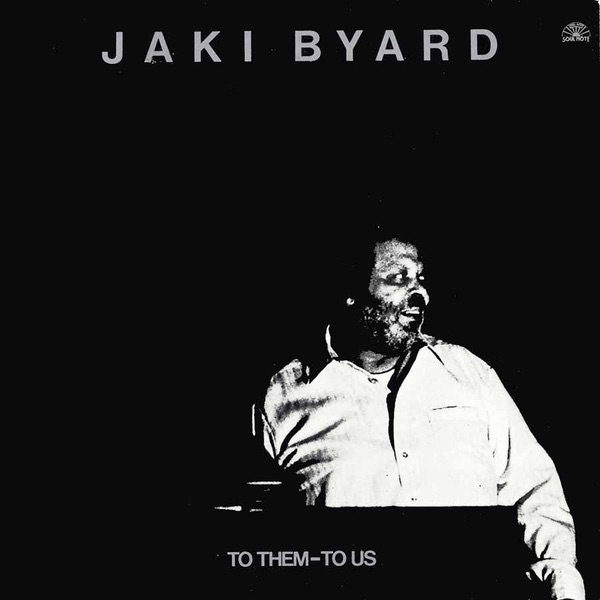
One Man, Every Era
Here's the thing about Jaki Byard: he didn't have one style, he had all of them, and he refused to pick a favorite. Stride piano, ragtime, bebop, free playing that sounded like the piano was coming apart in his hands — he'd move through all of it inside a single tune, sometimes inside a single solo, and somehow it never felt like a gimmick. It felt like a guy who genuinely loved the whole history of the instrument and saw no reason to leave any of it behind.
That range is exactly why Charles Mingus kept calling him. Mingus wrote sprawling, demanding charts full of tempo shifts and emotional whiplash, and he needed a pianist who could follow him anywhere without blinking. Byard was that guy on Mingus Ah Um (1959) and later on The Black Saint and the Sinner Lady (1963), holding down the harmony one minute and detonating it the next. Mingus trusted very few musicians with that kind of freedom. Byard earned it.
His own records under his own name are where you really hear how much fun he was having. Blues for Smoke (1960) and Freedom Together! (1966) jump between eras like he's flipping through a jukebox of jazz's own past and future at the same time. He also turned up alongside Eric Dolphy and Booker Ervin in bands that needed a piano player unafraid of dissonance, and he worked well with Rahsaan Roland Kirk, another musician who didn't believe in staying in one lane.
Byard eventually became a teacher, and this might be the part of his story that matters most in the long run. At the New England Conservatory he shaped a young Jason Moran, passing along that same idea — that jazz piano isn't a museum, it's a living language you can speak in any accent you want. He also led his own big band, the Apollo Stompers, mostly for the joy of hearing an orchestra swing hard.
His death in 1999 was ugly and sudden — he was shot in his own home in Queens, and the case was never solved. It's a rough way to end a story about someone who spent his whole career finding humor and warmth in music that other people treated as serious business. Put on almost anything he recorded and you'll hear a guy who never stopped being curious, right up until there wasn't any more time left to be.