That Big Texas Sound
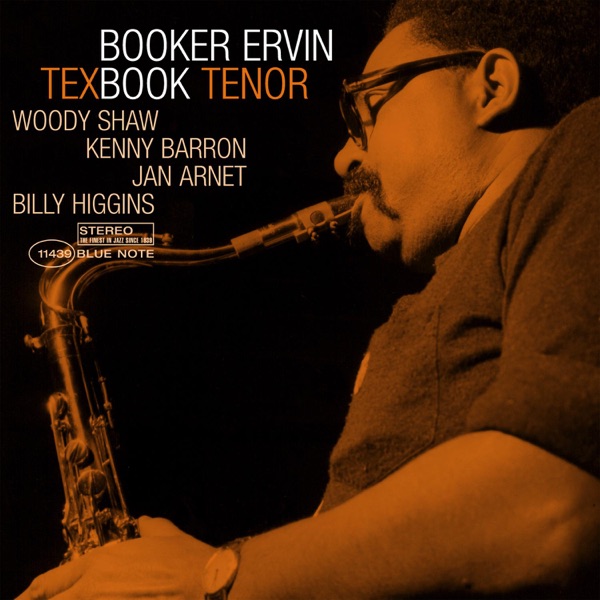
If you grew up on John Coltrane and Sonny Rollins and you're looking for somewhere to go next, Booker Ervin is a very good answer. He came out of Texas, studied at Berklee, and eventually landed in New York where he fell in with Charles Mingus — one of the more consequential musical partnerships of his career. Playing with Mingus wasn't a background gig. Mingus demanded real personality from his sidemen, and Ervin had plenty of it.
What you notice first about his playing is the tone. It's not smooth, it's not polished in that urbane East Coast way — it's got real grit to it, something almost bluesy and raw even when he's navigating tricky changes. He was a hard bop player who also leaned forward into post-bop territory, and he could hold both things at once without sounding like he was trying to have it both ways. His phrasing was long and searching, and he had a way of sitting just behind the beat that gave his solos a kind of urgency.
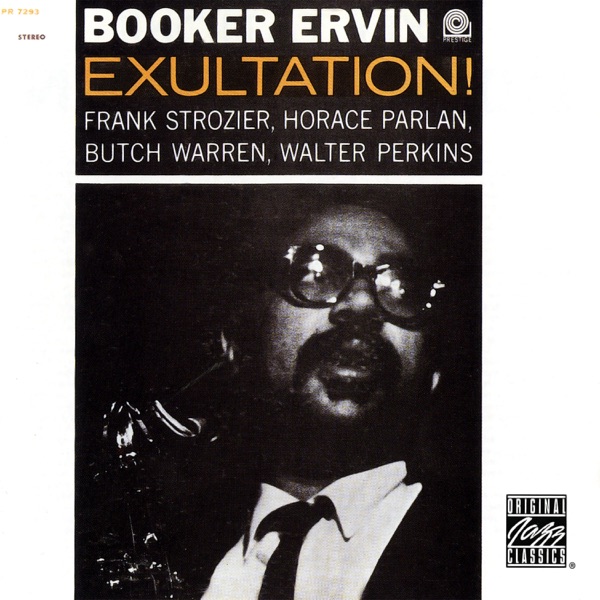
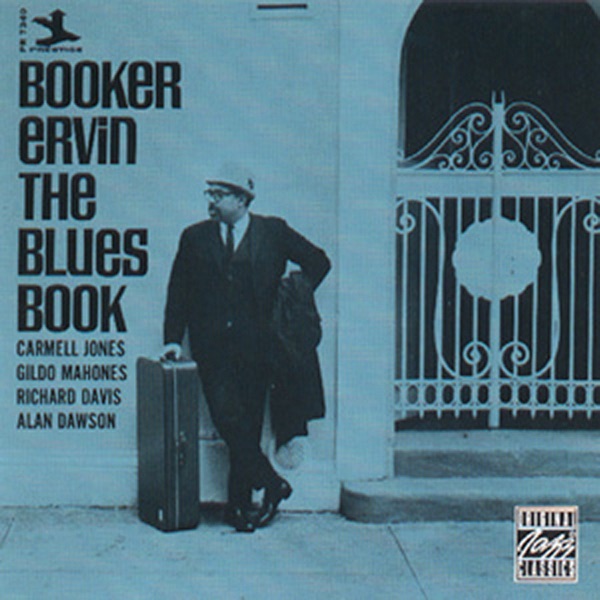
The Prestige "Book" series from the mid-sixties — The Song Book (1964), The Blues Book (1964), The Space Book (1964), The Freedom Book (1964) — is where most people start, and it's a reasonable place to do it. Each record has a loose thematic focus, but don't overthink the concept. Just listen to what Ervin does with a small group, usually anchored by Jaki Byard on piano, and notice how much he sounds like himself on every single track. That consistency of voice is rarer than it sounds.
He never got the wider attention that some of his peers did, and part of that was circumstance — he spent time in Europe like a lot of African American jazz musicians in the sixties, playing well to audiences who were paying closer attention than the ones back home. His death in 1970 at just 39 cut things off before any late-career reassessment could happen. So the catalog is what it is, and it's actually pretty deep if you dig in.
The honest pitch for Ervin is this: if you want a tenor player who sounds like no one is looking over his shoulder, who plays with real physical weight and isn't trying to be elegant about it, he's your guy. Put on The Freedom Book (1964) and give it twenty minutes. That opening track will tell you everything you need to know about whether this is your kind of thing.