
Solid Ground: Booker Ervin's Balanced Vision
A tasteful quintet session where Ervin swings without pushing too hard, letting the music breathe.
Structurally Sound sits somewhere between ambition and comfort, a session that feels unhurried and genuinely conversational. Booker Ervin's tenor saxophone leads a lean group—Charles Tolliver on trumpet, John Hicks at the piano, Red Mitchell on bass, and Lenny McBrowne on drums—and the interplay among them has the feel of musicians who trust one another enough to leave space. The tempos are mostly moderate; the textures stay clean and uncluttered. This is not Ervin being provocative or searching for the edges of something new. AllMusic reviewer Matt Collar heard it as "perhaps not Ervin's most provocative album, but a solid and tasty endeavor." That's fair.
By this point in his career, Ervin had already made his name as a player willing to test boundaries and push hard against the changes. Structurally Sound doesn't have that restless energy. Instead, it's a record about phrasing, about how a saxophonist can spin out melodic ideas with control and taste rather than heat. Tolliver's trumpet work here is understated, complementing rather than competing. Hicks comps with precision, and Mitchell's bass lines anchor without overwhelming the space. The album works best if you're not looking for revelation or a turning point—this was never meant to be that.
The album was later reissued on CD in 2001 on the Blue Note label with four bonus tracks, introducing it to listeners who might have missed the original Pacific Jazz release. It remains a reliable listen for anyone wanting to hear Ervin in a setting where craft and restraint matter more than force.
Who's playing
Red Mitchellbass
John Hickspiano
Booker Ervintenor saxophone
Charles Tollivertrumpet
Lenny McBrownedrums
Where next?
More by Booker Ervin
All 23 albums →
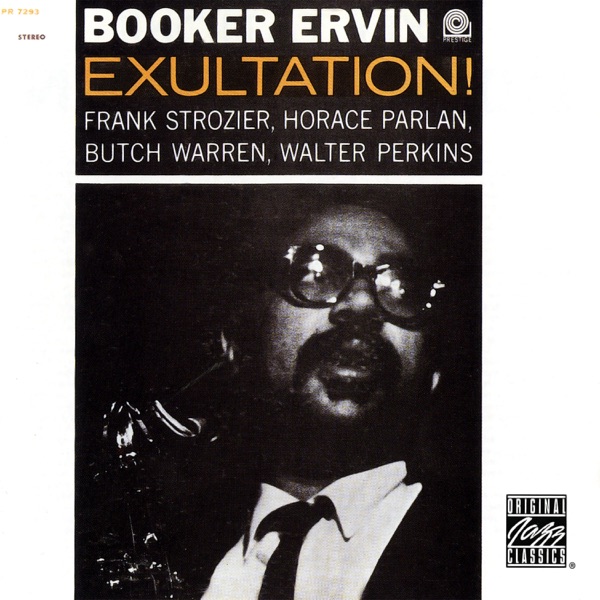

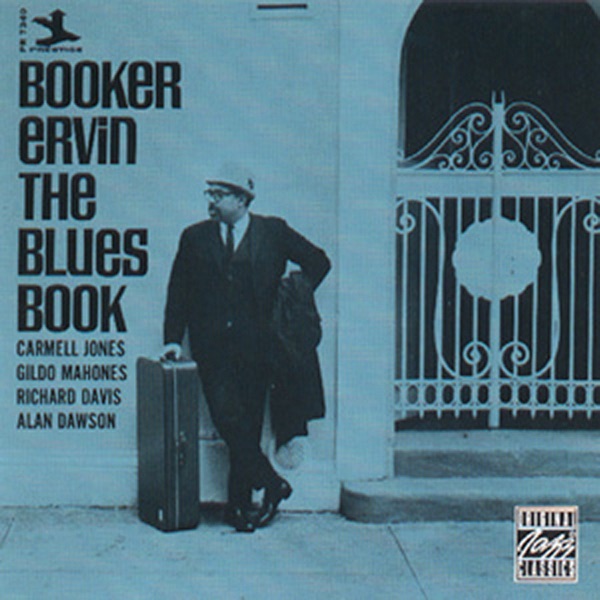
The musicians on this record
Their own records, close in time


