1964 · Album
The Blues Book
Recorded 1964 · Prestige · Produced by Not specified in available sources
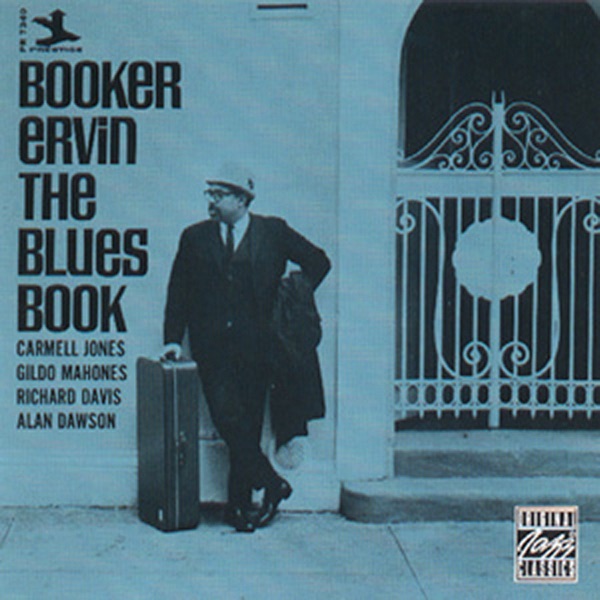
Passion and Invention in the Basic Blues
Ervin makes each fairly basic original sound fresh, performances frequently exciting inside and outside.
The Blues Book opens with Booker Ervin's tenor saxophone cutting through a tight rhythm section — Alan Dawson on drums, Richard Davis on bass, Gildo Mahones on piano — and immediately you're in the room with musicians who know how to make simple blues structures feel alive. There's no ornament here, no reaching. Carmell Jones enters on trumpet with a direct, unadorned tone that matches Ervin's intensity. The tempos are moderate, even relaxed on some tracks, but the soloing is consistently passionate and searching. You can hear the conversation happening — inside bebop language on one chorus, then pushing toward something looser and more abstract the next. Nothing feels rehearsed to death.
Recorded in 1964, The Blues Book sits squarely in the middle of Ervin's career, when he was moving beyond straightforward soul jazz into more adventurous territory without abandoning the blues language that defined him. These are his originals — nothing borrowed — and they're designed as vehicles for real playing, not showcases for clever composition. AllMusic reviewer Scott Yanow gave the album 4½ stars, noting that Ervin's passionate approach made even the fairly basic originals sound fresh. The Penguin Guide awarded it 3.5/4.
This isn't Ervin at his most celebrated or ambitious, but it's a solid record of a working saxophonist doing what he did best: finding new angles on old forms, playing with genuine conviction, and trusting that conviction would carry the session. It's the kind of album that doesn't demand your full attention on first listen, but it rewards it on the second.
Who's playing
Richard Davisbass
Gildo Mahonespiano
Booker Ervintenor saxophone
Carmell Jonestrumpet
Alan Dawsonmembranophone