
Hard Bop's Conversation with Tomorrow
Fresh enough to feel alive, rooted enough to mean something—that's The Freedom Book in one sentence.
The Freedom Book arrives as Booker Ervin at a moment when hard bop could have calcified into formula, but instead it opens outward. Recorded in 1963, the album finds Ervin pushing his tenor saxophone into spaces that feel both familiar and unsettled—modern enough to acknowledge what free jazz was starting to do, grounded enough in bop language that nothing ever becomes abstract for its own sake. This is the kind of record that works because the musicians understood each other's boundaries and were willing to test them.
The material ranges across compositions that let Ervin inhabit different moods without ever losing focus. He swings hard when the moment calls for it, explores textural possibilities when the arrangement opens up, and never mistakes restlessness for weakness. The Penguin Guide to Jazz Recordings gave it a full four stars, and AllMusic reviewer Steve Leggett nailed something essential: this is modern hard bop that feels fresh precisely because it keeps one foot planted in bop tradition while the other moves toward something less predictable.
The Freedom Book sits solidly in Ervin's catalog—not a radical departure, not a greatest-hits moment, but the work of a musician who knew exactly where hard bop could still go without abandoning what made it matter in the first place. It's the kind of album that doesn't demand patience or apologize for itself.
Who's playing
Where next?
More by Booker Ervin
All 23 albums →
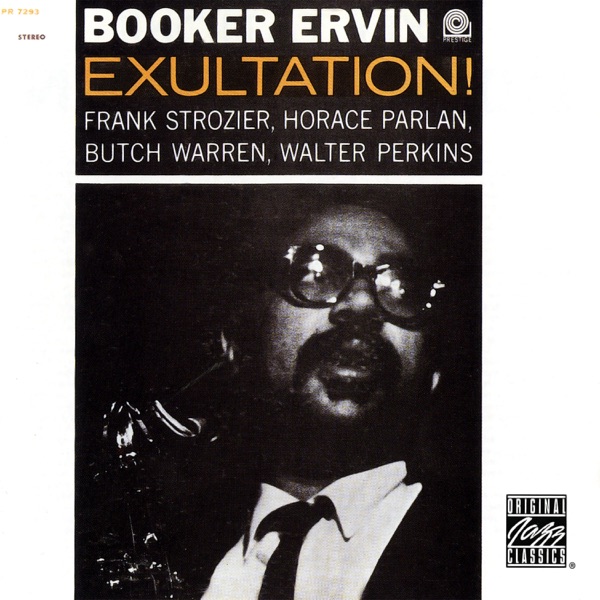

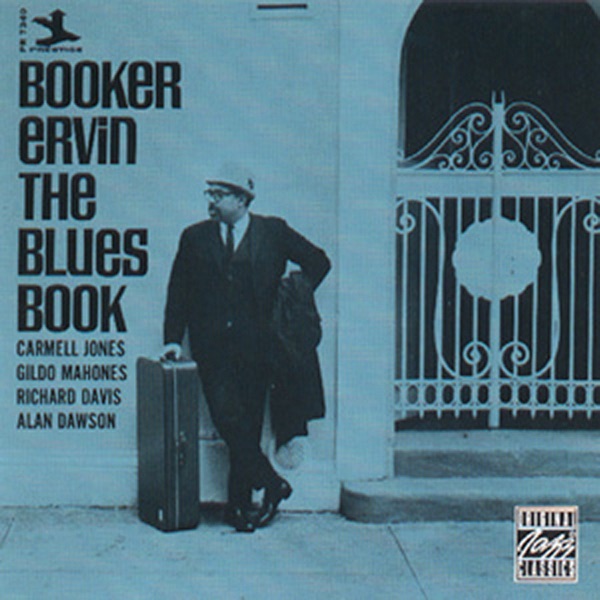
The musicians on this record
Their own records, close in time


