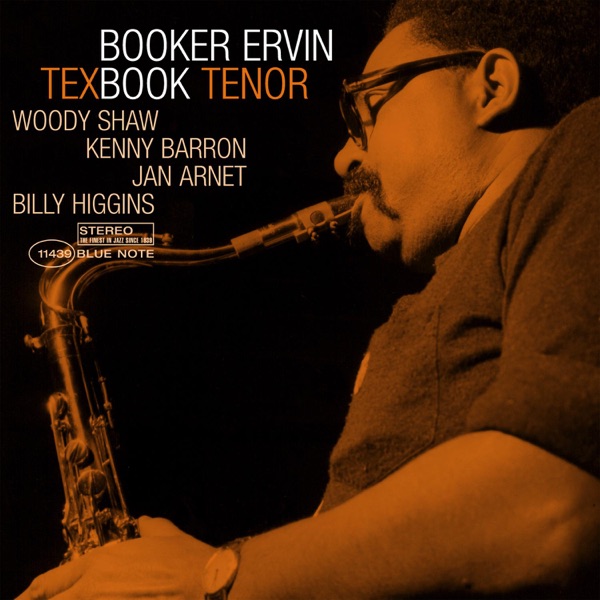
Last Call: Booker Ervin's Final Blue Note Session
A late-career masterclass from a tenor saxophonist still hungry, still finding new angles on the blues.
By 1968, Booker Ervin had already logged plenty of time on Blue Note, but these recordings arrived as something close to a farewell statement. Ervin was in his forties, and the session itself had the feel of a man taking stock—not summing up, exactly, but playing with the clarity that comes from knowing what matters. He was still swinging hard, still unafraid of dissonance, and still deeply rooted in the blues vocabulary that defined his playing. The group that went into the studio with him worked as a tight unit, and the music has the ease of musicians who knew each other's moves.
What makes these performances stand out is Ervin's refusal to coast. He doesn't play it safe, doesn't retreat into nostalgia or smoothness. Instead, he's probing—looking for new angles on the tenor, pushing at harmonic spaces, laying back one moment and driving hard the next. The interplay between the band members is conversational and unforced; this isn't a showcase for the leader, it's a dialogue. AllMusic reviewer Thom Jurek called it "a wonderful addition not only to the Blue Note catalog on CD, but to Ervin's own shelf as well," and that assessment lands squarely.
The long delay before release—these sides didn't appear until 1976 as part of a double LP, and didn't hit CD until 2005—means this session exists partly outside the normal arc of Ervin's discography. But that distance also lets you hear it clearly: a late-career record from a still-vital player, made in the studio with focus and purpose. Not every album Ervin made was this direct, this uncluttered. For anyone serious about understanding his range as both a bandleader and composer, this one deserves attention.
Who's playing
Where next?
More by Booker Ervin
All 23 albums →

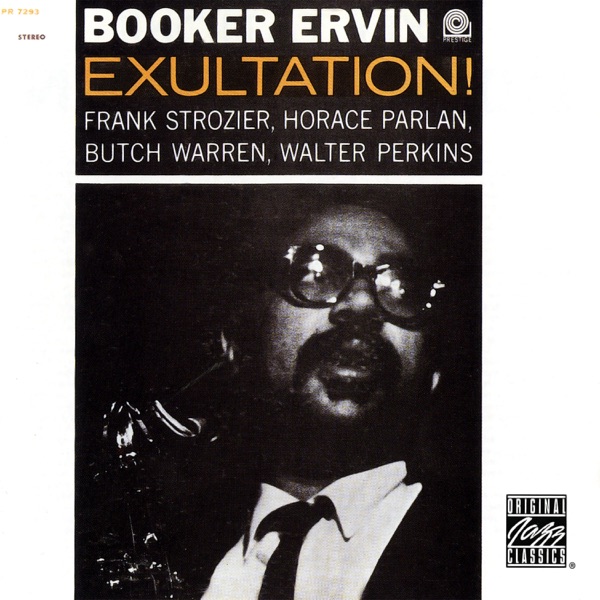

The musicians on this record
♫
In the Beginning 1965
Woody Shaw
plays trumpet here
plays trumpet here
♫
The Oracle 1989
Billy Higgins
plays drums (drum set) here
plays drums (drum set) here

Spiral 1984
Kenny Barron
plays piano here
plays piano here


