1967 · Album
Booker 'n' Brass
Recorded 1967 · Pacific Jazz · Produced by Not specified in verified sources
Ervin Steps Forward With Brass
Ervin's tone cuts through a full ensemble with the kind of authority that only comes from deep confidence.
By 1967, Booker Ervin had spent years in rhythm sections and sideman roles, but Booker 'n' Brass (1967) marked a clear shift: here he owned the bandstand. This is Ervin stepping into the spotlight with a larger ensemble behind him, not backing away into the section. The album captures him as the leading voice over brass, which is its whole point. His tenor saxophone sits front and center while horns and rhythm support rather than compete, giving you a chance to hear what he'd been developing all along—a thick, blues-rooted tone with real authority and a way of building solos that feel both structured and urgent.
The setting is modern big-band territory flavored with urban blues, according to AllMusic reviewer Michael G. Nastos, who heard this as a genuine treat for fans interested in how bebop's energy could survive in a larger format. It's not swing-era nostalgia and it's not cool-school understatement either. Ervin plays here like someone who knows exactly what he wants to say and has the chops to say it clearly. The ensemble gives him room to breathe without getting in the way, which was exactly what he needed to show what he could do when the bandleader role was finally his.
For listeners coming to Ervin for the first time, this album works better than some of his earlier work because the focus is so clear. You're not sorting through layers of competing ideas—you're watching a soloist at work with good players who know their job.
Who's playing
Reggie Johnsonbass
Benny Powellbass trombone
Kenny Barronpiano
Booker Ervintenor saxophone
Martin Bankstrumpet
Johnny Colestrumpet
Ray Copelandtrumpet
Richard Williamstrumpet
Freddie Hubbardtrumpet
Bennie Greentrombone
Britt Woodmantrombone
Garnett Browntrombone
Lenny McBrownedrums
Where next?
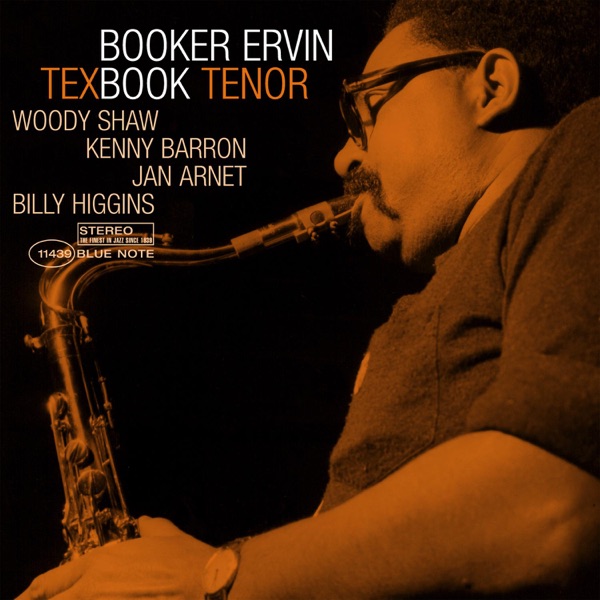
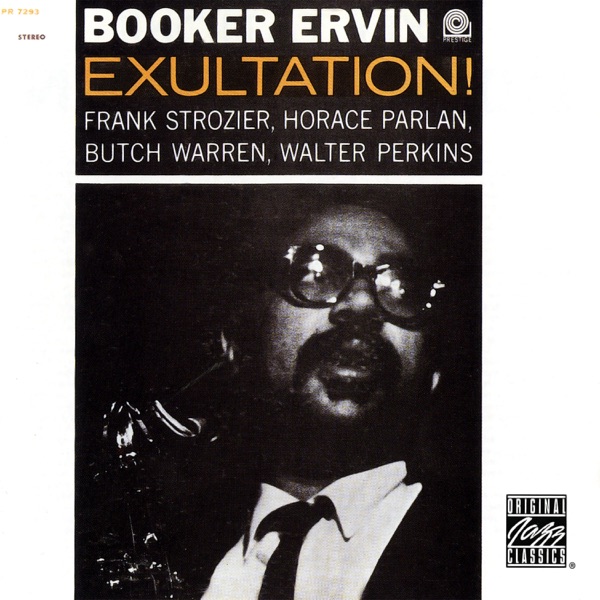
More by Booker Ervin
All 23 albums →


The musicians on this record
Their own records, close in time


