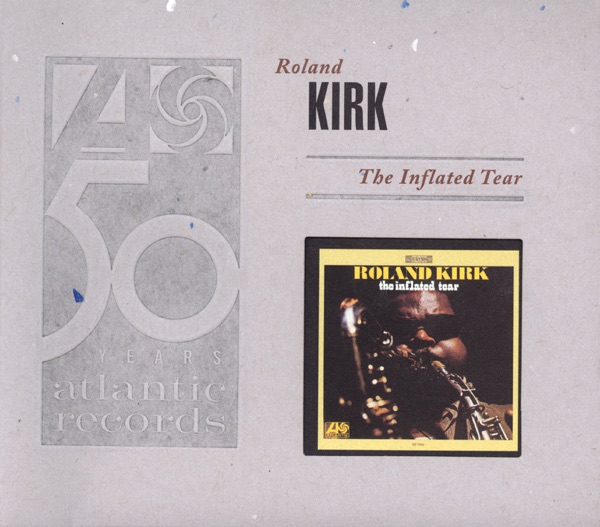
Kirk's Uncompromising Vision Takes Full Flight
Kirk refused to play it safe, and the results cut deeper than comfortable.
Rahsaan Roland Kirk arrived at The Inflated Tear (1968) at a moment when his reputation was already solid but his artistic reach kept expanding. The album didn't arrive as a shock — it was expected work from a known quantity on Atlantic — but it landed with real force. Critics engaged with it seriously at the time, and the Penguin Guide to Jazz Recordings rated it 3.5 out of 4, signaling this was substantial stuff, even if it didn't overwhelm everyone equally. Over time, especially after Pitchfork ranked it 170th in their 2017 survey of the decade's best albums, the record has only deepened in reputation as listeners caught up to what Kirk was doing.
The music itself is lean and purposeful. Kirk's woodwind playing dominates — not flashy, but obsessively detailed — while Ron Burton on piano, Steve Novosel on bass, and Jimmy Hopps on drums stay locked into his vision without fussing. There's no wasted motion here. Kirk doesn't play multiple horns at once the way he would become known for; instead, he trusts his band to create density through restraint and absolute listening. The trio understands they're backing a singular voice, and they serve that role exactly.
This isn't Kirk's most accessible record, nor his most celebrated. But it marks him operating at full artistic confidence, refusing compromise in pursuit of what he heard. For anyone serious about his catalog, it's essential — not a starting point, but a necessary step after you've already caught on to his earlier work.
Who's playing