1977 · Album
Kirkatron
Recorded 1975–1976; Montreux Jazz Festival (1975) and studio sessions · Atlantic
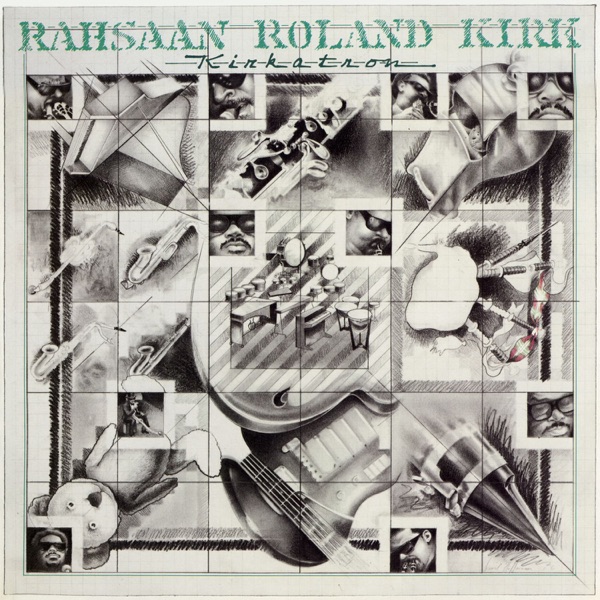
Kirk's Electric Experiments at the Festival's Edge
Kirkatron captures Kirk at his most restless, chasing electric possibilities that don't always cohere.
Kirkatron opens with synthesizer and electric organ—sounds Kirk had been circling but never quite committed to. There's a restlessness here, a sense of him testing gear and formations that feel half-formed even when they're fully executed. The Montreux Jazz Festival recordings from 1975 have the clarity you'd expect from a live setting, but they also have the slightly scattered energy of someone still working through ideas. The studio sessions that round out the album, recorded in 1975 and 1976, don't quite settle the matter either. Kirk's flute and tenor saxophone remain as lithe and commanding as ever, but the arrangements around them often feel cluttered rather than conversant—too many textures competing for space instead of locking in.
This is not a peak Kirk record, and it's not the place to start with him. By this point in his career he'd already made his essential statements, and Kirkatron reads less as a destination than as a document of one artist's hunger to move beyond what he'd already mastered. The electric elements occasionally click—there are moments where the keyboard work and horn playing feel genuinely integrated—but more often they sit uneasily together. A listener expecting the focused energy of his earlier work will find this diffuse and, in places, genuinely scattered.
Kirkatron is mainly for committed Kirk followers willing to sit with his restlessness and see what he was reaching toward, even if the reach exceeded the grasp. It's a record that lets you watch him work without always succeeding, which has its own kind of honesty.