Where do you listen?
Choose your streaming service
inside the sleeve
Loading…
inside the sleeveITS
⌕
Read About

♫

Facts
Connections
Read more

Discography

Collaborations

Live on Youtube

Explore Further

Selected connections
1972 · Album

A Meeting of the Times

↑ Rahsaan Roland Kirk

Recorded March 1972, New York City · Atlantic Records · Produced by Joel Dorn
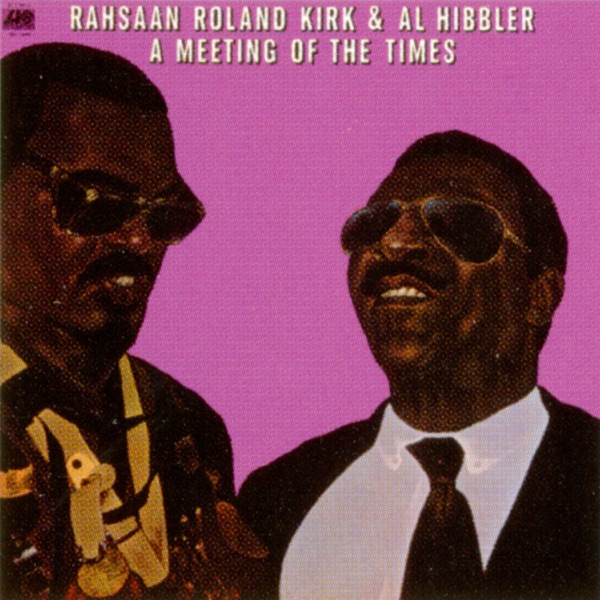
A Meeting of the Times

Two Voices, One Respect: Kirk Meets Hibbler

Kirk plays respectfully behind Hibbler on standards, then breaks loose on wild instrumentals alone.

When A Meeting of the Times (1972) arrived in December, it landed quietly—a pairing that looked strange on paper. Rahsaan Roland Kirk, the multi-reed virtuoso known for his wild, uncompromising sound, paired with Al Hibbler, Duke Ellington's former ballad singer working deep into his later years. The Penguin Guide to Jazz recognized it immediately with a four-star rating plus their special Crown accolade, and AllMusic reviewer Scott Yanow caught what made it work: Kirk knew Ellington's music inside out and could accompany Hibbler respectfully without losing his own fire.

The record sits on a knife's edge. With Hank Jones on piano, Ron Carter on bass, and Grady Tate on drums, Kirk holds back on the standards, letting Hibbler's eccentric phrasing float across tasteful arrangements. Hibbler's voice had not been recorded much by this point, and he sounds centered, unhurried. Then Kirk takes off on "Carney and Bigard Place" as a solo instrumental—suddenly the full voltage returns, the woodwinds shrieking and wailing exactly as audiences expected from him.

This is not Kirk playing safe or Hibbler being dragged into modernism. It is two jazz musicians from different eras meeting on common ground, each bringing their own sensibility without pretending to be someone else. The session shows Kirk's range: he could be a fierce soloist and a sympathetic accompanist in the same afternoon.

Who's playing
Ron Carterdouble bass
Hank Jonespiano
Grady Tatedrums
Rahsaan Roland Kirkwoodwind
Listen next
By Rahsaan Roland Kirk
The Case of the 3 Sided Dream in Audio Color 1975
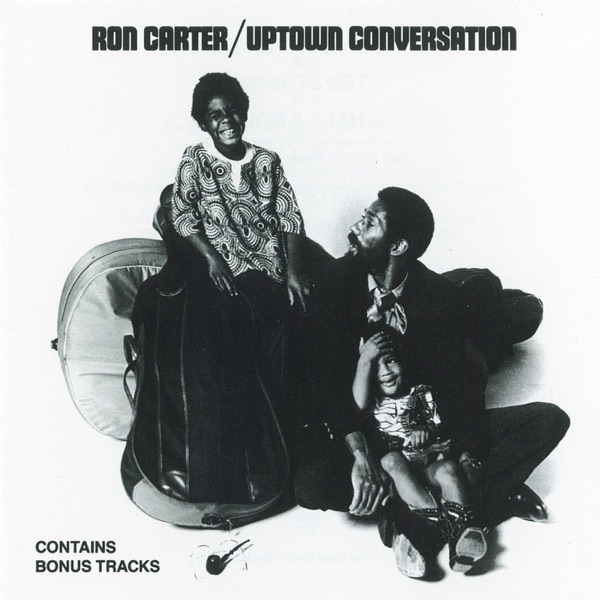
Ron Carter's own record
Uptown Conversation 1969
Ron Carter plays double bass here
More Hard Bop
Red Clay 1970
Freddie Hubbard
Recording Info
Track listing
1Do Nothin’ Till You Hear From Me4:40
2Daybreak3:12
3Lover, Come Back to Me3:49
4Don’t Get Around Much Anymore2:57
5This Love of Mine4:57
6Carney and Begard Place5:33
7I Didn’t Know About You4:01
8Something About Believing6:06
9Dream2:28
Musicians
Further Reading
Read more

Where next?

More by Rahsaan Roland Kirk
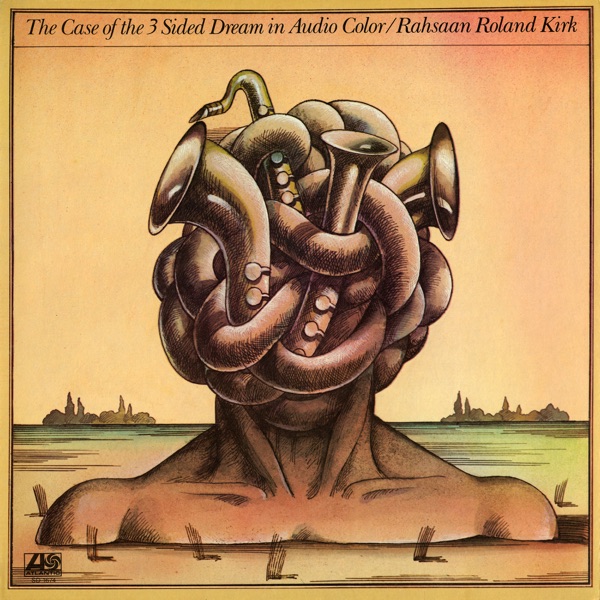
The Case of the 3 Sided Dream in Audio Color 1975
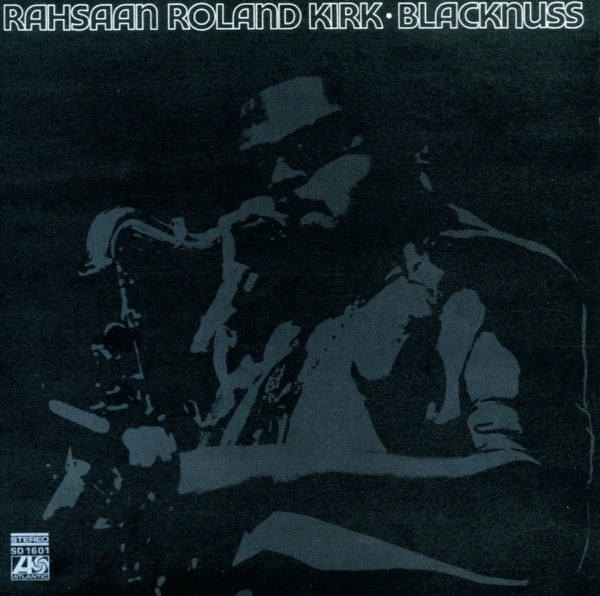
Blacknuss 1972
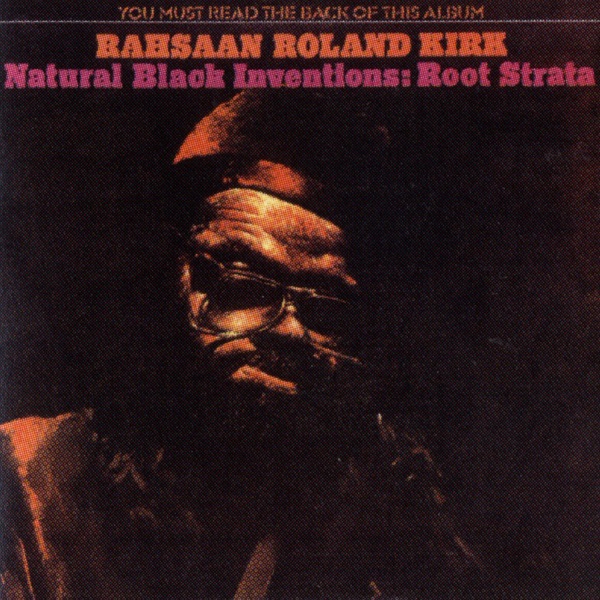
Natural Black Inventions: Root Strata 1971
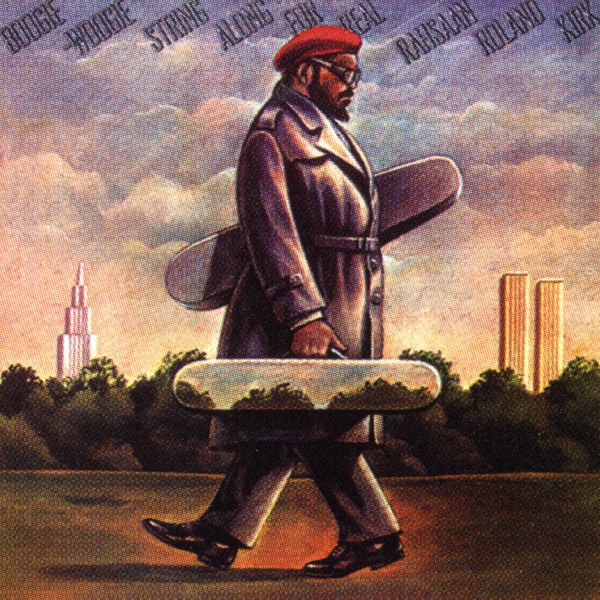
Boogie-Woogie String Along for Real 1978
All 40 albums →
The musicians on this record
Uptown Conversation 1969
Ron Carter
plays double bass here
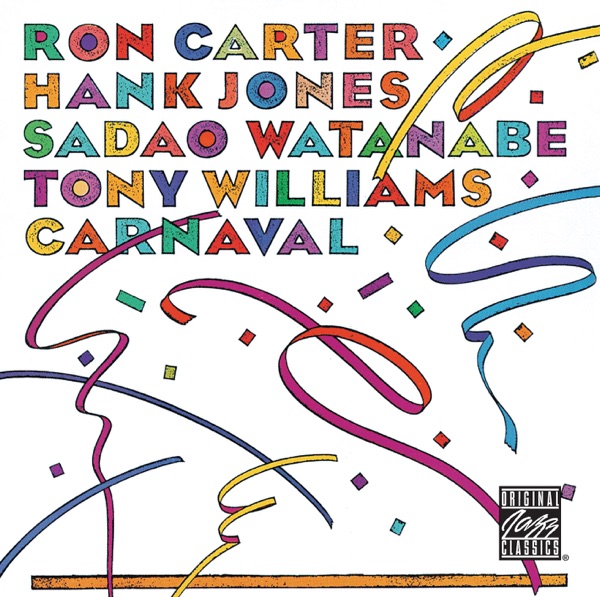
Carnaval 1983
Hank Jones
plays piano here
Their own records, close in time
More Hard Bop
Red Clay 1970
Freddie Hubbard
Cornbread 1965
Lee Morgan
Speak No Evil 1965
Wayne Shorter
Song For My Father 1964
Horace Silver
All 147 Hard Bop artists →

More by this artist

Albums with the same musicians

From the same era

Similar artists

inside the sleeve
Growing
Jazz, explained without pretension.
Read · Follow the connections · Press play
Right now: 7,100+ albums · 440+ artists
Start here
New to jazz? These artists are good places to start.
Loading…
Explore
Nine records worth getting lost in.
Born today
Album of the day
A landmark record, every day.
Read
  • Loading…
Article archive →
Recently added
Purpose
Inside the Sleeve is your companion on a journey through jazz — not a textbook, but something closer to a knowledgeable friend sitting next to you while you listen. Read about an artist, press play, follow a connection, discover an album you didn't know you needed.
Suggestions
Read

Articles

Essays, guides, and lists about jazz and the records that matter.

Loading…

Genre

Key Artists
Further Reading

Essential Albums

Related Genres

In This Genre

About

Inside the Sleeve

Work in progress

Inside the Sleeve grows continuously — new artists and albums are added, essays refined, as visitors explore and our editors follow up on what they find. Content, features, and design are still evolving; use the Report error button on any page to flag something that seems off.

Content

Every artist, album, and release date on Inside the Sleeve is real — verified against trusted sources including MusicBrainz and Wikipedia. We don't invent discographies or fabricate records. AI compiles that verified information into readable prose — essays on artists, albums, and the music itself. We can't manually review every essay before publishing, but every reported error is checked by a human editor.

Inside the Sleeve is not a review site. We're not here to rate or rank — we're here to guide you in. Where an album stands out, we'll say so. Where an artist changed everything, you'll know why. But we won't tear anything down. Jazz history is complex and sources sometimes disagree — if you spot something that seems off, please report it.

Streaming

Inside the Sleeve links to Spotify and Apple Music so you can listen while you read. These are not affiliate links. For Spotify, links open a search on open.spotify.com — we do not have direct links to specific recordings. For Apple Music, direct links are used where available, otherwise a search is opened.

Your choice of streaming service is stored locally in your browser only. It is never sent to our servers.

We're working on deeper Spotify integration, including direct links to specific recordings.

Privacy

Inside the Sleeve does not collect personal data and does not use cookies. We count page visits anonymously using a self-hosted analytics tool — no personal identifiers are stored, and the data never leaves our own server. The only preference stored on your device is your streaming service choice, saved locally in your browser and never transmitted.

When you submit a suggestion or error report, the text you write is stored in our database. No name or email is required or collected unless you choose to provide one.

Third-party services

Spotify and Apple Music are independent services with their own terms of use and privacy policies. Inside the Sleeve is not affiliated with or endorsed by either company.

Support

Inside the Sleeve is free and ad-free. If you enjoy it, a coffee helps cover server costs and keeps the project going.

Amazon

Some book recommendations on Inside the Sleeve link to Amazon. Buying through these links costs you nothing extra — but Amazon pays us a small commission, which goes directly towards keeping the site running. It's a simple way to support the project if you were going to buy the book anyway.

As an Amazon Associate, Inside the Sleeve earns from qualifying purchases.

Questions or feedback? Use the suggestion box on the front page.

Inside the Sleeve — A guide for those who want to go beyond the obvious About & Privacy