1967 · Album
Here Comes the Whistleman
Recorded March 1965 at Atlantic Studios, New York · Atlantic Records
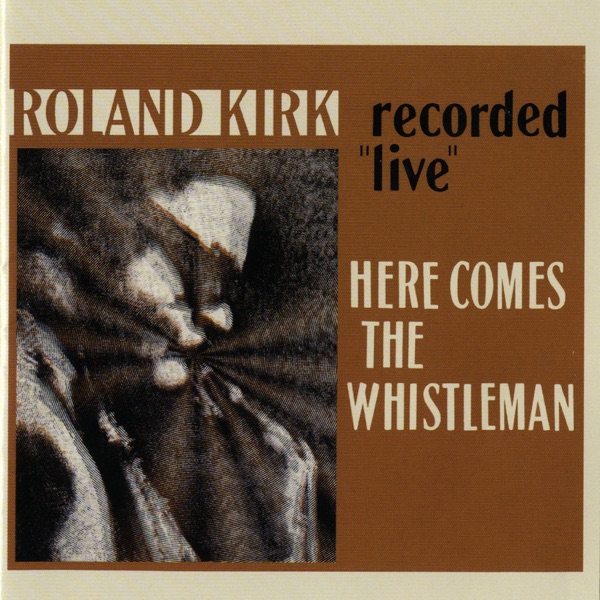
Kirk's Atlantic Debut, Live and Unfiltered
Kirk splits the difference between showmanship and serious musicianship, never sacrificing one for the other.
Here Comes the Whistleman arrived in early 1967 as Rahsaan Roland Kirk's first Atlantic Records release, and it immediately signaled that the label had signed an artist unlike anyone else in jazz. Recorded live at Atlantic Studios in March 1965, the album captured Kirk in his element — surrounded by capable accompanists and free to follow his instincts across multiple wind instruments. AllMusic reviewer awarded it 4.5 stars, recognizing the album's blend of technical command and genuine entertainment value. It was not a cult record; it was heard, and it mattered.
The lineup includes two pianists, Lonnie Liston Smith and Jaki Byard, both of whom understood how to frame Kirk's improvisations without competing for space. Major Holley on bass and Charles Crosby on drums keep things grounded, even when Kirk's playing becomes deliberately antic. This is Kirk doing exactly what he wanted to do — alternating between instrumental virtuosity and crowd-pleasing tricks like whistling, never letting you forget that jazz could be playful without being trivial. The live setting suits him; you hear the audience responding, and that energy feeds the music.
What separates this from Kirk's later, more celebrated recordings is its relative straightforwardness. He is not yet pushing into the experimental territory that would define his peak years, but the foundation is unmistakable: a musician with encyclopedic knowledge of the tradition and the confidence to bend it however he pleased. For newcomers, Here Comes the Whistleman (1967) works as an accessible entry point to Kirk's world.
Who's playing
Major Holleybass
Jaki Byardpiano
Lonnie Liston Smithpiano
Charles Crosbydrums
Rahsaan Roland Kirkwind instruments
Where next?
More by Rahsaan Roland Kirk
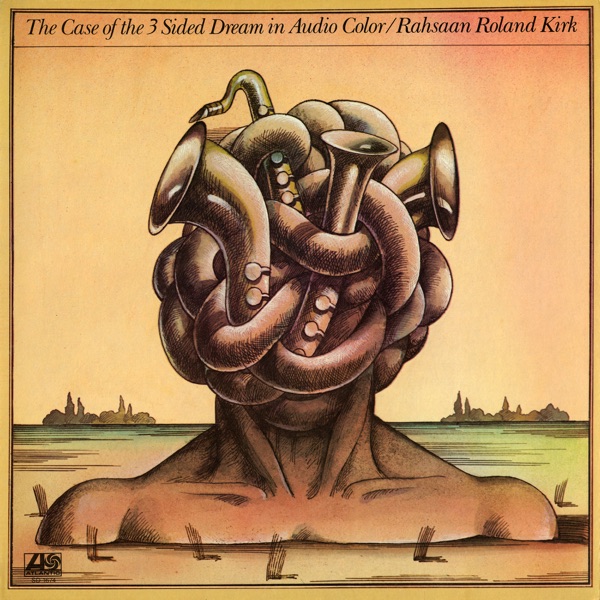
The Case of the 3 Sided Dream in Audio Color 1975
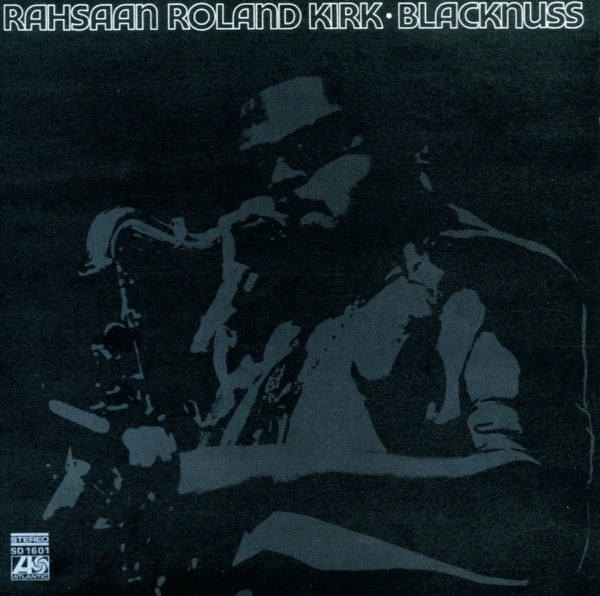
Blacknuss 1972
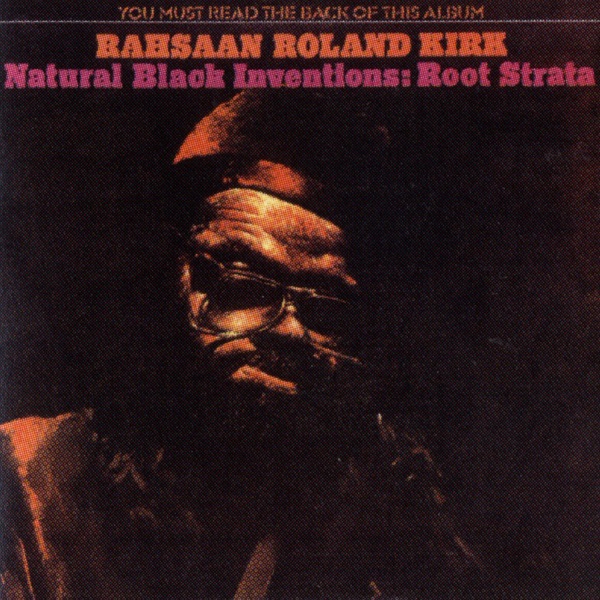
Natural Black Inventions: Root Strata 1971
Boogie-Woogie String Along for Real 1978
The musicians on this record
Silhouettes 1984
Lonnie Liston Smith
plays piano here
plays piano here
♫
Jaki Byard With Strings! 1968
Jaki Byard
plays piano here
plays piano here


