The Black Liberace of Rampart Street
Before you press play on anything by James Booker, you need to understand one thing: this is not background music. His playing demands your full attention, not because it's difficult to appreciate but because so much is happening at once that if you drift off you'll miss something ridiculous. His left hand could hold down a rumbling New Orleans groove while his right hand was doing something that sounded like it belonged in a Chopin recital. He called himself the Black Liberace, the Bronze Liberace, and a few other things depending on the day — and the showmanship was real, but so was the chops.
He grew up in New Orleans in the 1940s and 50s, absorbing everything the city had — second line rhythms, church music, the Creole classical tradition, the blues filtering in from across the Gulf. By his teens he was already a working session musician, playing on recordings for Fats Domino and others, and he had a regional hit of his own with a Hammond organ instrumental called Gonzo (1960). He spent years as a gun-for-hire, backing whoever needed a player, which kept him busy but obscure. The tragedy is that his reputation among musicians was enormous — people who knew knew — but the wider world kept not catching up.
The best place to start is Junco Partner (1976), recorded live in Zurich, which captures him in full flight without any production getting in the way. You hear him work through standards, New Orleans classics, and a few wild detours, and the sheer physical confidence of the playing is almost uncomfortable. He doesn't rush, he doesn't show off in the cheap sense — he just plays more music per bar than most pianists play per song. His version of Classified (1982) on the album of the same name, recorded closer to the end of his life, is a little more polished but no less intense.
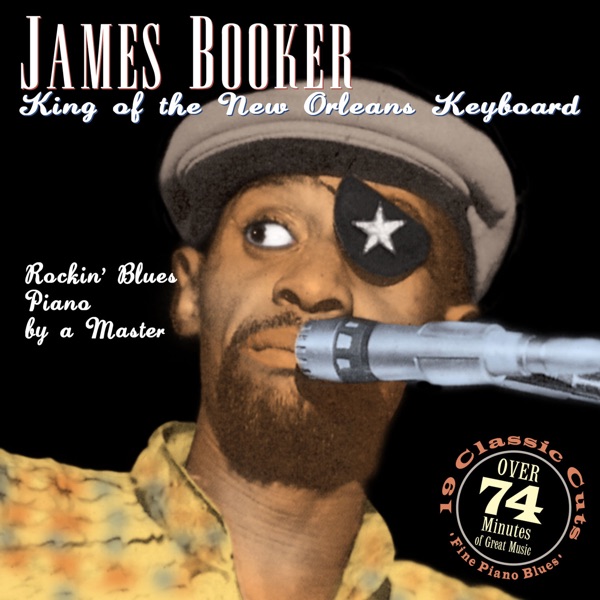
The personal chaos was real and is impossible to separate from the story. He lost an eye and wore a jeweled eyepatch. He had serious drug problems through most of his adult life. He was openly gay at a time when that came with serious costs, especially in the world he moved in. He had a temper, he was unreliable, he burned bridges. Venues and record labels that might have done more with him couldn't always count on him to show up. He died in a New Orleans hospital in 1983, reportedly in the waiting room, which is the kind of detail that sits with you.
What you're left with is a small but extraordinary body of recordings and a reputation that has grown steadily since his death largely through word of mouth among pianists. Dr. John has talked about him as the greatest piano player he ever heard. Harry Connick Jr. grew up around him in New Orleans. His influence on the sound of New Orleans keyboard playing is everywhere even when it's not credited. If you already love Professor Longhair or Allen Toussaint, Booker is the logical next step — and in some ways the deepest cut of all three.