The Groove Behind the Gold
Before Grover Washington Jr. became a radio staple, he was a serious working musician who'd spent years playing behind other people. He came out of Buffalo, studied saxophone young, and put in time on the road backing soul and R&B acts before he got his real shot. When he did — stepping in for Hank Crawford on a recording session for Kudu Records in 1971 — the result was Inner City Blues (1971), and it made clear he had something nobody was really doing at the same time: he could play with genuine jazz vocabulary while making the whole thing feel like it belonged on a Saturday night.
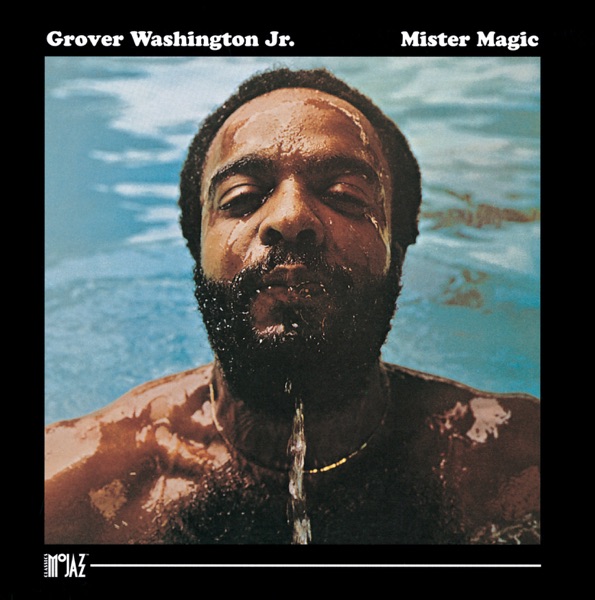
His alto and soprano work is clean and soulful, but it's the tenor where he really lived. There's a roundness to his tone that doesn't show off — it just settles in. He wasn't interested in speed or density. His phrases breathe, they leave space, and that space is where the feeling sits. If you put on Mister Magic (1975) and expect technical fireworks, you'll miss what's actually going on, which is a guy making the saxophone sound like it's having a conversation with you rather than performing for you.
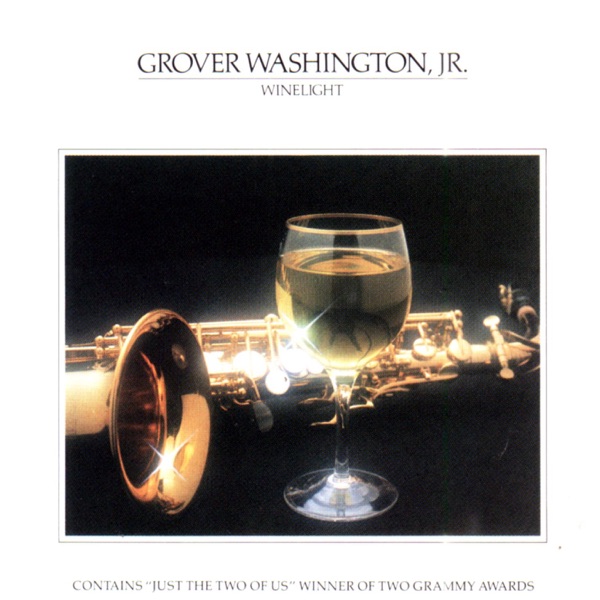
Winelight (1980) is the one that turned him into a household name. It featured Bill Withers on vocals for "Just the Two of Us," which became one of the most replayed songs of the decade. That song made a lot of people forget that the rest of the album is genuinely excellent — layered, inventive rhythm work, and Washington playing with a confidence that sounds completely relaxed. Critics who wrote him off as pop-adjacent weren't listening carefully enough to what the band was doing underneath.
The jazz purist criticism followed him throughout his career, and some of it isn't wrong. He did make records that leaned heavily on production trends of the moment, and a few of them didn't age gracefully. But the same criticism applies to plenty of artists who get more respect. What's easy to forget is that Washington kept working with serious musicians — Bob James, Ralph MacDonald, Eric Gale — and that the sessions were never lazy. He brought craft to commercial settings, which is harder than it sounds and rarer than it should be.
He died suddenly in 1999, collapsing after a television performance in New York. He was 56 and still actively recording. What he left behind is a catalog that rewards more attention than it usually gets. Start with the Kudu years if you want to hear how the whole thing began, or go straight to Winelight if you want to understand why your parents had it in the living room — and why that's not actually a reason to skip it.