1992 · Album
Next Exit
Columbia Records · Released: 1992 · Notable track: "Summer Chill" (co-written with his son, Grammy-nominated)

The Comfortable Master, Still Learning
Washington proves he's still the man who wrote the book on fusion, but predictability has started to set in.
By 1992, Grover Washington Jr. had already spent decades perfecting his role as jazz's most accessible voice—the saxophonist who could move seamlessly between straight-ahead jazz, R&B, and pop without losing credibility in any lane. Next Exit arrives not as a reinvention or a peak statement, but as a solid continuation of what he'd already mastered. This is a late-career album from an artist still in command of his instrument, still relevant, still working at a high level—but also one where the formula has begun to calcify.
The album leans heavily on vocal features: Nancy Wilson, Lalah Hathaway, and the Four Tops trade space with Washington's saxophone, which shapes the record's sound more like a showcase than a solo outing. It's the sound of a working musician taking advantage of his stature to collaborate with singers he respects. The standout is "Summer Chill," co-written with his son, which earned a Grammy nomination—a reminder that Washington's ear for what listeners wanted remained sharp. AllMusic's Steve Aldrich caught the tension exactly: a solid, predictable outing from a man still doing what he does best, even if best had started to feel familiar.
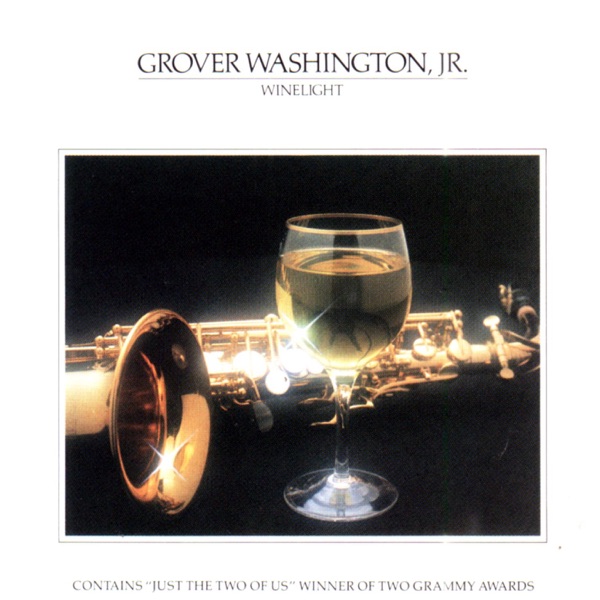
Critics who favored the album—All About Jazz gave it 4.5 out of 5—heard it as essential fusion, one of Washington's finer recent efforts. Others heard competence without surprise. If you already love Washington's work, this belongs in the collection. If you're new to him, start with Winelight (1980) instead.