1975 · Album
Mister Magic
Kudu Records · Released: February 1975 · Chart performance: Number 1 soul chart, Number 1 jazz chart, Number 10 pop chart
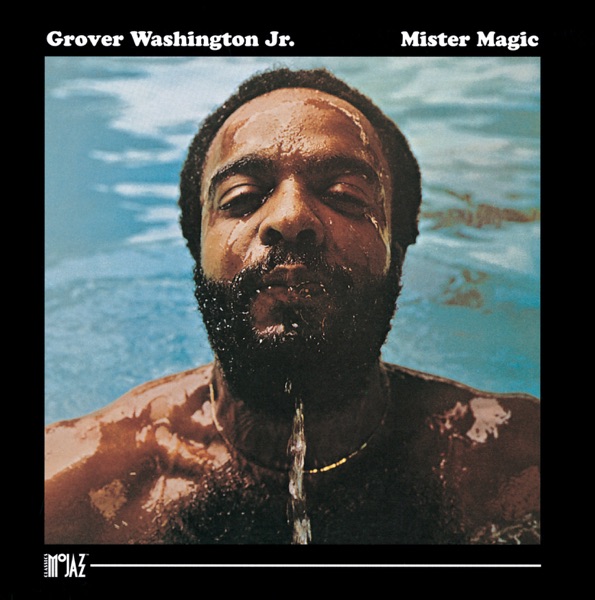
When Smooth Jazz Became Undeniable
Mister Magic proved that accessible music and serious musicianship weren't mutually exclusive.
From the opening moments, you hear a saxophonist in complete control of his sound — warm, centered, moving across the register with the ease of someone who has nothing left to prove. The tempo floats somewhere between a stroll and a groove, built on crisp drums and a bass line that locks in without overstatement. There's space in this music, which is rarer than it sounds. Grover Washington Jr. doesn't fill every gap; he lets the silence work. The horns breathe. You can hear the room.
This was Washington's fourth album, and by this point he had found his voice. Unlike some early fusion records that felt cluttered or uncertain, Mister Magic (1975) knows exactly what it is: adult contemporary jazz with enough substance to hold up to serious listening. The album topped both the soul and jazz charts while reaching number ten on the pop chart — an unusual achievement that reflected both its accessibility and its genuine musicianship. AllMusic gave it a perfect rating, and The Penguin Guide awarded it four stars. These weren't token gestures toward a crossover record; the playing is precise and the writing is sharp.
If you want to hear where Washington's commercial success actually came from, this is the place to start. It's not experimental or challenging in any way, but it doesn't need to be. The craftsmanship is on display in every track, and that's what people responded to.
Who's playing
Tony Studdbass trombone
Phil Upchurchbass
Gary Kingbass
Bob Jamespiano
Eric Galeguitar
Phil Bodnerbaritone saxophone
Jerry Dodgiontenor saxophone
Grover Washington, Jr.soprano saxophone
Wayne Andretrombone
Harvey Masondrums
Ralph MacDonaldpercussion
Alfred Brownviola
Max Ellenviolin
Jon Faddisflugelhorn
Paul Gershmanviolin
Harry Glickmanviolin
Harold Kohonviolin
Harry Lookofskyviolin
Joe Malinviolin
Charles McCrackencello
David Nadienviolin
Matthew Raimondiviolin
Alan Shulmancello
Marvin Stammflugelhorn
Emanuel Vardiviola
Where next?
More by Grover Washington Jr.
All 22 albums →


The musicians on this record
Their own records, close in time


