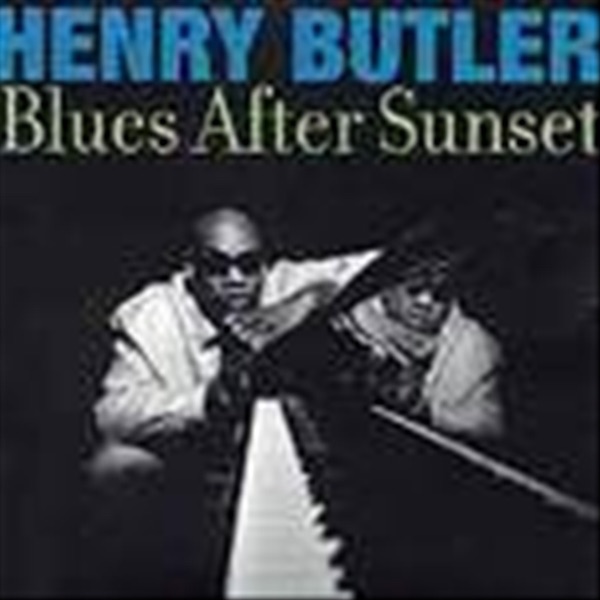
The Whole Keyboard, All at Once
If you want to understand Henry Butler in thirty seconds, listen to him play a slow blues and count how many things are happening under his right hand while his left hand is still holding down a New Orleans rhumba-boogie. He didn't pick a lane. He grew up blind, studied classical piano and opera seriously, and also soaked up every strain of New Orleans keyboard tradition — the rolling triplets of Professor Longhair, the barroom sophistication of James Booker, the stride and boogie-woogie that never really left that city's DNA. Then he layered jazz harmony and virtuosic technique on top of all of it, so a single Henry Butler solo could quote Art Tatum, detour through a second-line groove, and land somewhere that sounded almost like Chopin.
He studied with the clarinetist and educator Alvin Batiste at Southern University in Baton Rouge, which is where the discipline came from — Butler could read, transpose, and improvise with the kind of precision that made other pianists a little nervous. But he never let the technique turn cold. His records from the 1980s and 90s, things like For All Seasons (1990), showed a player equally comfortable stretching out on standards or digging into deep blues and gospel changes, never treating any of it as a museum piece.
The albums that probably deserve more ears than they get are the ones he made later with the trumpeter and arranger Steven Bernstein — Viper's Drag (2014) with the Hot 9 is a good entry point, big horn charts wrapped around Butler's piano like a brass band decided to back up a concert pianist. It's a loud, joyful record, and it makes the case that Butler's New Orleans roots and his jazz ambitions were never really in conflict, just two names for the same thing.
Butler wasn't a household name outside serious piano circles, and that's a shame, because there aren't many players who could move between stride, blues, gospel, and modern jazz harmony without it sounding like a stunt. He lost his home and his instruments in Hurricane Katrina and kept working anyway, based later out of New York, still touring, still teaching younger players some of what Batiste had given him. He died in 2018, and the honest thing to say is that pianists who know his catalog talk about him with a kind of reverence that his general reputation never quite caught up to.