Giving Voice to Silence
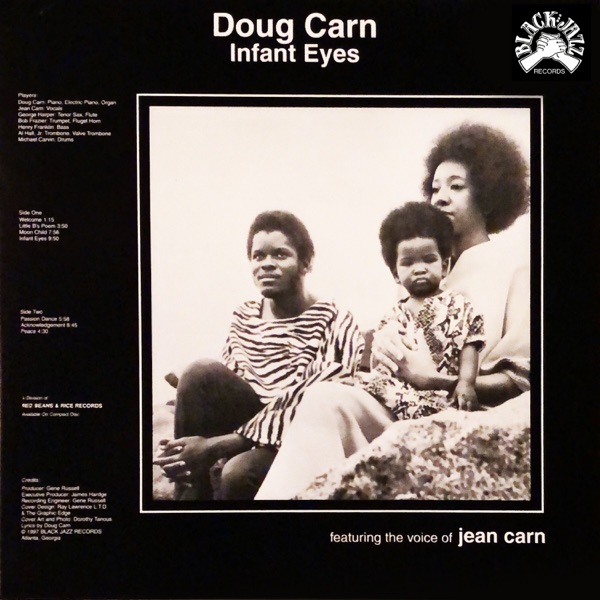
Doug Carn came up as a pianist and organist in a jazz world that was splitting in a dozen directions at once — free jazz on one side, fusion on the other, soul jazz holding down the clubs in between. He found his own lane by going backward and forward at the same time. He took tunes that already existed as instrumental statements, things like Wayne Shorter's "Infant Eyes" and John Coltrane's "A Love Supreme," and wrote lyrics for them. That sounds like a small move. It wasn't. It meant turning abstract modal improvisation into something a congregation could sing along to.
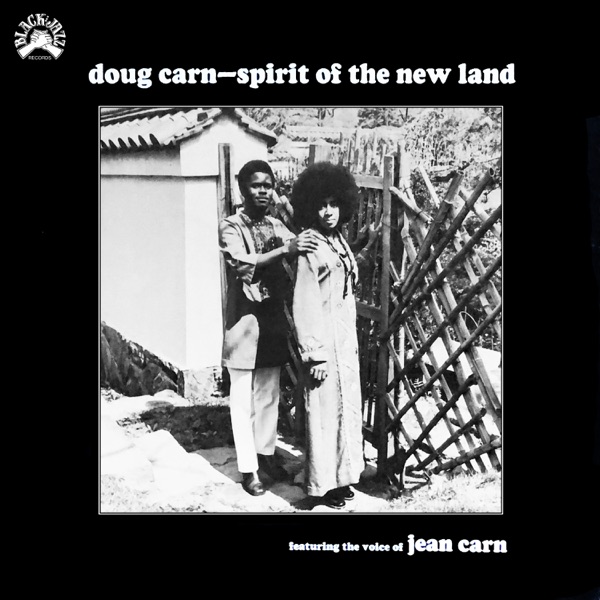
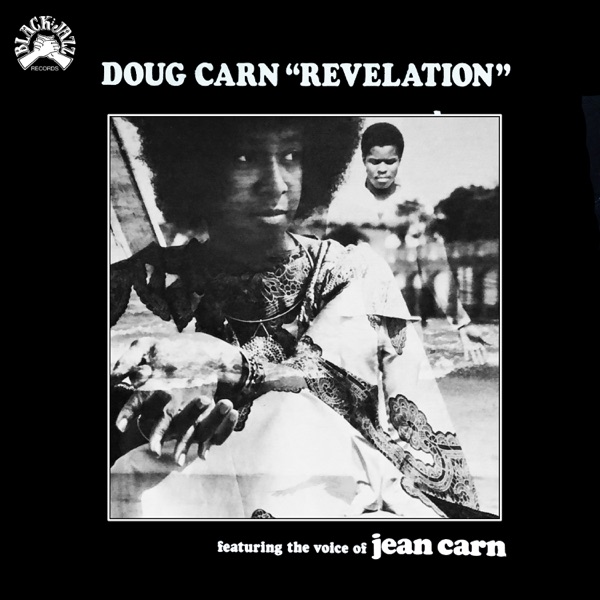
The records he made for Black Jazz Records in the early 1970s, including Infant Eyes (1971) and Spirit of the New Land (1972), are the ones people point to now when they talk about spiritual jazz as a genre rather than just a vibe. Carn's organ work is thick and churchy, closer to gospel than to the cool, clean lines of bebop piano. His wife Jean Carn's voice floats over the top of it, clear and controlled even when the band underneath is building toward something close to ecstatic. Together they made music that felt like it belonged in two places at once — a jazz club and a Sunday service.
Black Jazz Records itself matters here too. Founded by pianist Gene Russell, the label existed specifically to give African American musicians full creative control at a moment when major labels weren't exactly rushing to fund spiritual, political, unapologetically Black jazz records. Carn was one of its signature artists, and his albums carried that label's whole identity: uncompromising, devotional, unafraid of repetition and groove in service of a feeling rather than a solo.
What's easy to miss, listening now, is how much groove is actually in this music. It's not all incense and reverence. There's real funk in the rhythm section, real soul jazz bounce underneath the modal harmony. Carn never fully let go of the dance floor even while reaching for something more transcendent-sounding than that word usually allows. His later work moved further into fusion and smooth textures, and he never quite recaptured the intensity of those first few Black Jazz albums, but that's fine. Plenty of artists get one perfect run and spend the rest of their career being grateful for it. Carn's run, short as it was, is still worth the whole trip.