The Man Who Cracked the Groove
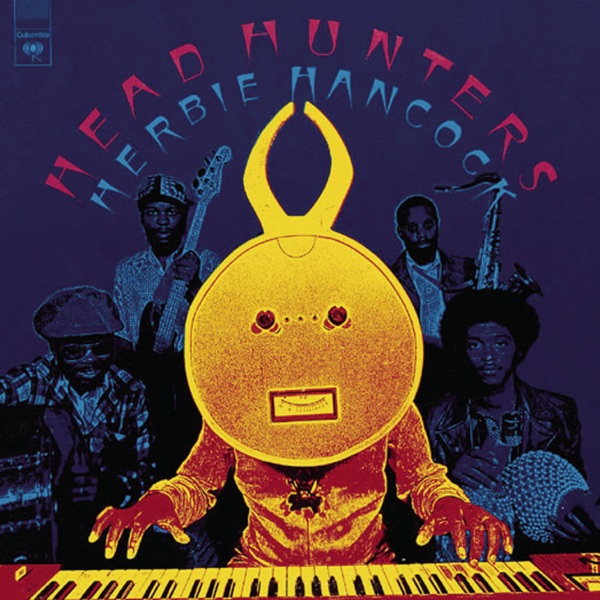
If you know one thing Mike Clark did, it's probably "Actual Proof." That's the track off Thrust (1974) where he and bassist Paul Jackson lock into something so twisted and so funky that musicians still argue about how to count it. Clark came into Herbie Hancock's Headhunters band after Harvey Mason left, and instead of trying to replicate what came before, he brought his own thing — a drummer's brain wired half in New Orleans second-line syncopation and half in bebop, running through a funk filter. It shouldn't have worked as well as it did. It worked great.
Before any of that, Clark was a bebop kid from the Bay Area who came up playing with organ combos and hard bop players, the kind of gig where you learn to swing hard and listen harder. That background is the secret ingredient in his funk playing. Most drummers who play deep grooves come from the groove side and stay there. Clark came from jazz, so his pocket has these little bebop ghost notes and broken triplets hiding inside the funk, which is why his beats never sit still the way a straight backbeat does. You can dance to it, but you can also transcribe it and lose a weekend trying to figure out the accents.
He never became a household name outside drummer circles, and that's fine — this was never a guy chasing fame. What he built was a reputation among musicians as someone who could make a rhythm section breathe funk and jazz air at the same time without either side feeling like a compromise. After the Headhunters years he kept working steadily, leading his own bands, touring, teaching, showing up on records that needed someone who could swing a groove instead of just play it straight.
Talk to any drummer who studies fusion and Clark's name comes up fast, usually attached to a story about trying to learn his part on "Actual Proof" and giving up. That's the honest measure of what he did. He took a genre that was starting to calcify into slick studio funk and put real jazz drumming logic underneath it, syncopated and lopsided and alive. Put on Thrust (1974) and just listen to the drums for four minutes. You'll hear why people are still talking about him.