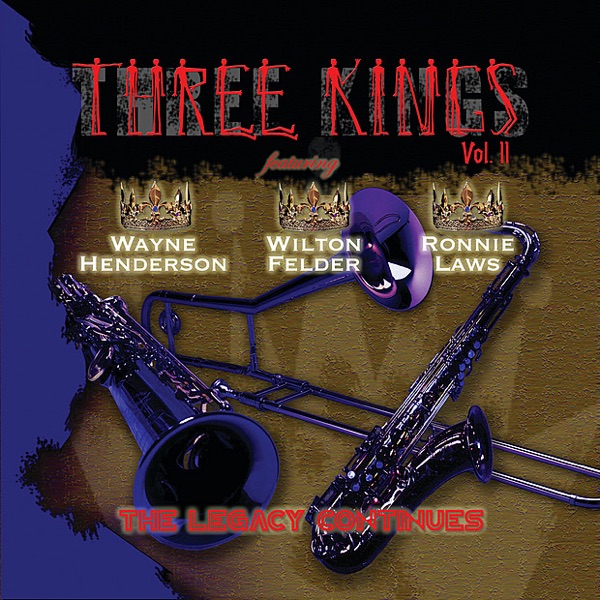
The Saxophonist Who Played Bass
Wilton Felder came up in Houston with that Texas tenor sound in his ear — big, bluesy, a little bit of a shout to it, the kind of tone that comes from towns where Illinois Jacquet and Arnett Cobb were local heroes. He and a few high school friends, including pianist Joe Sample and trombonist Wayne Henderson, formed a band that eventually moved west and became The Jazz Crusaders, then just The Crusaders once they dropped the word 'jazz' and leaned harder into funk and soul.
That name change tells you everything about the band's arc, and Felder was right in the middle of it. In the early years they were a tight, swinging hard bop outfit. By the 1970s they'd turned into something slicker and funkier, built for radio as much as for jazz clubs, and Felder's tenor was the voice that carried it. If you've heard "Street Life" off Street Life (1979), that's him soloing over Randy Crawford's vocal, and it's one of those sax lines that non-jazz people actually recognize without knowing why.
Here's the part that makes Felder unusual: he wasn't just a saxophonist who occasionally picked up a bass for fun. He became a legitimate first-call session bass player around Los Angeles, laying down parts on pop and R&B records through the 70s and 80s. Plenty of horn players can fake their way through a bassline. Felder actually had the gig, session after session, because he could do the job as well as the guys who only played bass.
He also put out solo records under his own name, like Inherit the Wind (1976), which leaned into a smoother, more commercial soul-jazz sound with guest vocalists. None of it is essential listening the way a John Coltrane record is essential, and that's fine — Felder wasn't trying to rewrite the rulebook. He was trying to make a living playing music he liked, on two instruments, across genres that a lot of jazz purists looked down on at the time.
If you want to understand Felder, don't start by looking for a landmark solo album. Start with The Crusaders' catalog and listen to how the band changes shape across two decades, with his tenor as one of the few constants. Then go find the session credits — Steely Dan sessions, Motown-adjacent dates, film scores — and notice how often his name turns up on bass. That's the real Wilton Felder story: not a singular artistic statement, but a career built on being genuinely useful in more than one way.