The Sound Behind the Name
It is easy to get the Marsalis brothers confused in the cultural memory — Wynton Marsalis got the headlines, the classical crossover, the Pulitzer. Branford got something arguably more interesting: a career defined by genuine curiosity rather than a position to defend. He has recorded with Sting, led the Tonight Show band, collaborated with Grateful Dead offshoot projects, appeared on a Public Enemy album, and still somehow maintained a reputation as a serious jazz musician. That breadth is not a distraction from his identity — it pretty much is his identity.
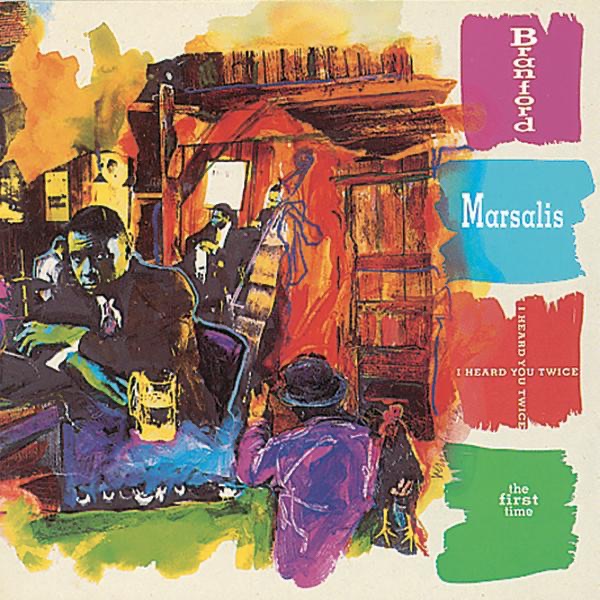
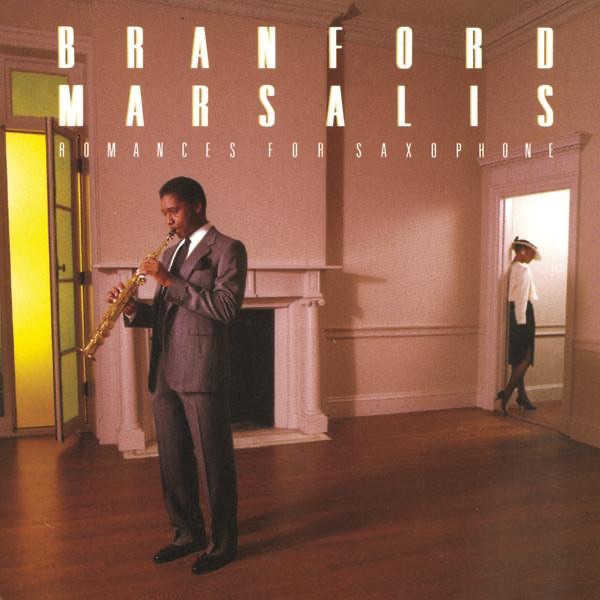
As a saxophonist, Branford belongs to a tradition that runs through John Coltrane and Sonny Rollins, but he does not wear those debts on his sleeve the way some younger players do. His tenor sound is big and warm without being blustery, and he has an unusual ability to play long, elaborate lines that stay melodically coherent even when the harmonic terrain gets complicated. On soprano he is less conventionally sweet than many players — there is a slightly rough, human edge to the tone that keeps things honest. If you put on I Heard You Twice the First Time (1992), the blues album, what strikes you first is how relaxed it all sounds, like he has nothing to prove and everything to enjoy.
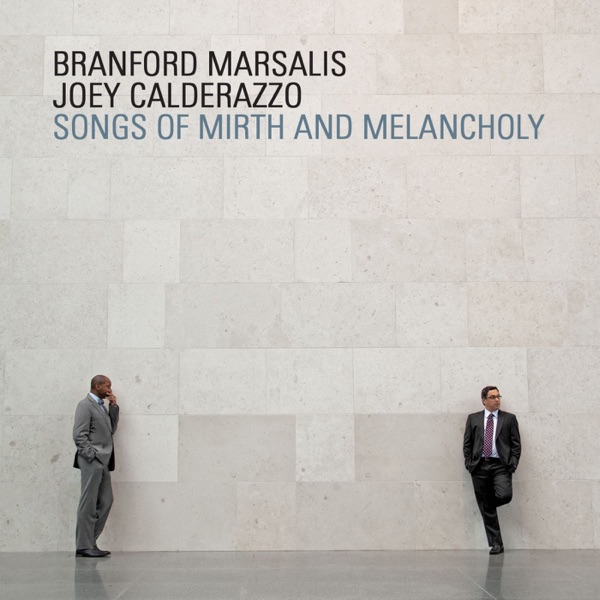
His quartet recordings from the late 1980s onward are where most serious listeners start, and for good reason. The band he assembled — particularly with pianist Joey Calderazzo and later Joey Alexander's predecessor in his affections, drummer Jeff Tain Watts — played with a collective intelligence that was less about individual fireworks and more about conversation. Tain in particular is one of the most responsive drummers in post-bop, and the interplay between him and Branford on albums like Crazy People Music (1990) or The Beautiful Ones Are Not Yet Born (1991) is worth studying closely. These are not easy listens, but they reward attention without demanding it.
The Tonight Show years from the early 1990s introduced Branford to an audience that had no idea what post-bop was, and some jazz purists held that against him. That seems like the wrong reading. Playing live television every weeknight in front of millions requires a different kind of musicianship — quick ears, adaptability, humor — and by most accounts he thrived on it. It also gave him financial stability and cultural visibility that let him continue making uncompromising records on his own terms, which is not nothing.
Where Branford sometimes gets underrated is in his solo playing on ballads and slower material. He can be a forceful, argumentative improviser, and that side gets more attention. But listen to how he handles a standard at medium tempo — there is a patience there, a willingness to let a phrase breathe before he decides where to take it, that speaks to real maturity. He is not trying to say everything at once. For new listeners, Contemporary Jazz (2000) or Four MFs Playin' Tunes (2012) are as good an entry point as any — the latter especially has the feel of a band that has been playing together long enough to have private jokes, which in jazz is about the highest compliment you can pay.