2004 · Album
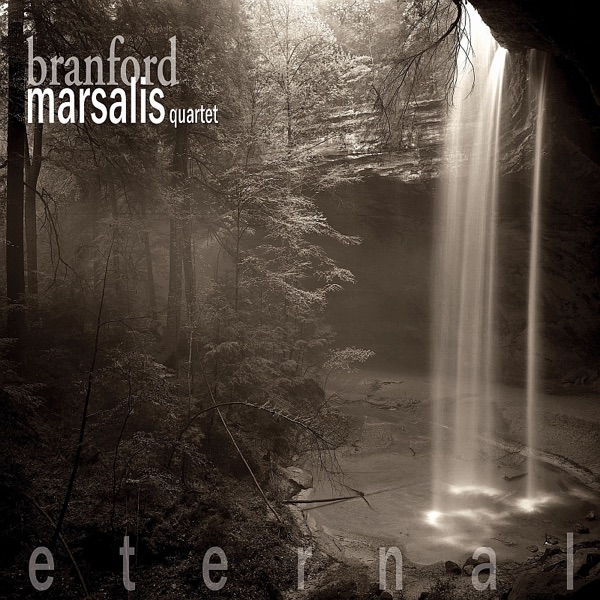
Eternal
Recorded October 2003, Tarrytown Music Hall, Tarrytown, New York · Not specified in verified sources · Produced by Not specified in verified sources
Branford in the Room, Live and Listening
Eternal catches Marsalis doing what he does best: playing with musicians who push back, making decisions in real time.
Eternal is a live recording from Tarrytown Music Hall in October 2003, and it's a solid mid-catalog entry for Branford Marsalis — the kind of album that works well if you're already familiar with his sound but maybe not the first place to send someone who's never heard him. The album peaked at number 9 on the Top Jazz Albums chart, which tells you it found an audience but wasn't a breakout moment. What you get here is Marsalis playing in a setting where the stakes feel real. A live recording at a specific venue on a specific night means no second takes, no studio polish hiding weak moments. You hear what happened.
Maralis has spent his career moving between straight-ahead saxophone tradition and stuff that stretches further — classical commissions, world music collaborations, hip-hop partnerships. On Eternal, he seems interested in conversations rather than statements. The album works because the musicians in the room are listening to each other. That's harder to fake live than it sounds. Whether you hear this as essential or as a respectable document depends on what you already know. If you own three or four Marsalis albums and want to see him live from a good vantage point, grab this. If you're trying to understand why he matters as a saxophonist, start with his earlier work first.
The thing about Eternal is it doesn't try to be anything other than what it was: a night of playing at a Hudson Valley concert hall. That's not a small compliment. Some albums get weighed down trying to prove something. This one just plays, and that honesty is reason enough to listen.
Who's playing