1988 · Album
Random Abstract
Recorded August 12–13, 1987 · Location: Sound City Studios, Tokyo, Japan · Chart Peak: Number 6, Top Jazz Albums
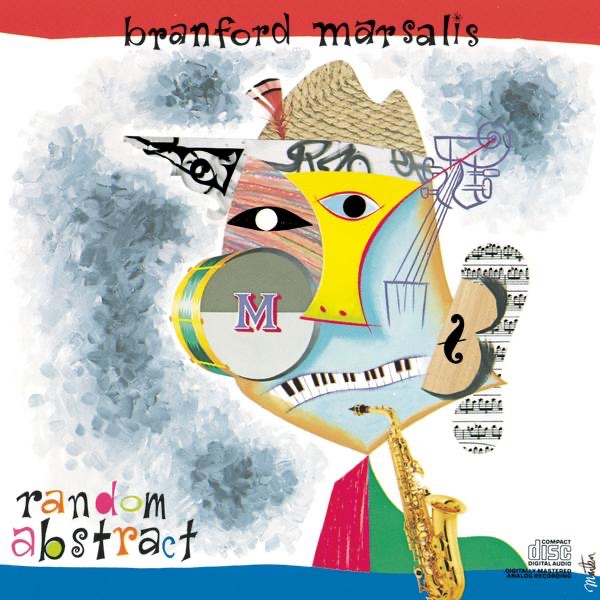
A Sharp Turn Toward Abstraction
Marsalis steps away from straightforward postbop into something deliberately unsettled and exploratory.
By 1987, Branford Marsalis was already established—a first-call sideman, a reliable voice in the Wynton orbit, someone you knew how to place. Random Abstract is the moment he stopped fitting neatly. Recorded over two days in Tokyo, it's a saxophone album that feels genuinely restless, unwilling to settle into the smooth professionalism he'd become known for. The music here is more angular, more willing to fracture mid-phrase, to let silence do work. It's early in his career in the sense that he's still testing what a solo project could be—not a vehicle for his warmth and lyrical gift, but a space to push against form itself.
The album landed commercially, peaking at number 6 on the jazz charts, and caught critical attention that felt earned rather than obligatory. AllMusic's four-and-a-half-star rating reflected genuine enthusiasm. It also earned two Grammy nominations in 1988, which mattered more then than it does now. But the record's real significance lies in its refusal to repeat what had already worked. This wasn't Marsalis playing it safe with a strong band and a clear vision. It was Marsalis asking what came next, and the answer wasn't obvious.
In the arc of his career, Random Abstract (1987) marks a pivot—not away from jazz, but away from a kind of jazz that had already been solved. He would continue to be drawn toward classical music, toward other historical moments and forms. This album feels like the first audible crack in the postbop framework he'd helped sustain. Whether you see that as liberation or restlessness probably depends on what you wanted from him.
Who's playing