1987 · Album
Renaissance
Peak Chart Position: No. 4, Billboard Traditional Jazz Albums chart · Critical Reception: AllMusic 4/5, Los Angeles Times 4/5, Penguin Guide to Jazz on CD 3/4, Rolling Stone Album Guide 3.5/5 · Support: North American tour

Marsalis Finds His Voice on Renaissance
Renaissance arrived as a genuine critical success, peaking at No. 4 on the Traditional Jazz Albums chart.
Renaissance landed in 1987 to immediate critical respect. AllMusic gave it four stars, as did the Los Angeles Times, and The Penguin Guide to Jazz on CD awarded three and a half stars — solid recognition that suggested Marsalis had made something listeners and critics could agree on. The album peaked at No. 4 on Billboard's Traditional Jazz Albums chart, a respectable showing that indicated it found an audience beyond the usual jazz cognoscenti. This wasn't a cult record hiding in bins; it was a mainstream success within the jazz world, and the consistency of the reviews meant it built no reputation problem to overcome. Critics noticed it immediately because it worked.
At this point in his career, Marsalis was already known for his technical facility and his willingness to engage with tradition seriously rather than as nostalgia. Renaissance sits comfortably in that space — a record where he's clearly thinking about jazz history and his place in it, but without the stiffness that sometimes comes with that kind of consideration. The music breathes. It has room to move around in. What makes this record worth hearing is that it captures Marsalis in a mode where confidence and curiosity aren't fighting each other.
Marsalis supported the album with a North American tour, which meant these pieces had a life beyond the studio. That kind of commitment suggests the material meant something to him, that he wasn't just checking a box. For anyone wanting to understand what Marsalis was thinking about at this moment — early in his work as a bandleader and composer — Renaissance is a logical place to start.
Who's playing
Robert Hurstdouble bass
Buster Williamsdouble bass
Kenny Kirklandpiano
Herbie Hancockpiano
Branford Marsalissoprano saxophone, tenor saxophone
Tony Williamsdrums
Where next?
More by Branford Marsalis

Royal Garden Blues 1986

Ma Rainey's Black Bottom (Music from the Netflix Film) 2020

Eternal 2004

Scenes In The City 1984
The musicians on this record
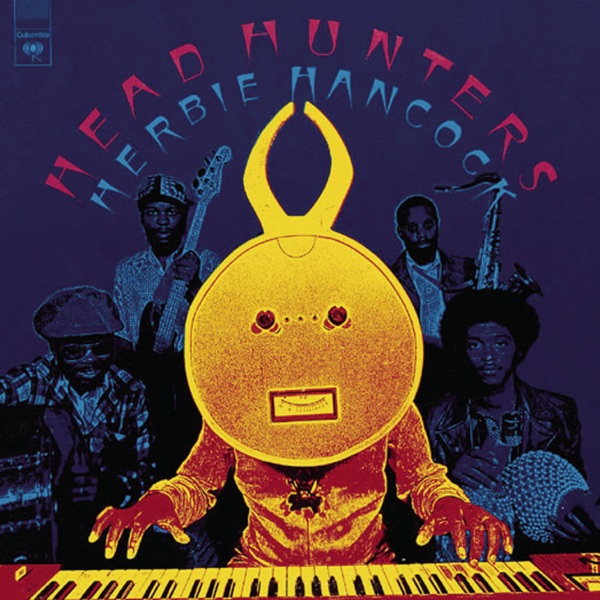
Head Hunters 1973
Herbie Hancock
plays piano here
plays piano here

Civilization 1987
Tony Williams
plays drums (drum set) here
plays drums (drum set) here

Something More 1989
Buster Williams
plays double bass here
plays double bass here


