1996 · Album
Number Two Express
Recorded 2000 · Myriad Records · Produced by Christian McBride

Walking the Bass Lines of Now
McBride's bass doesn't just hold down the groove—it leads the conversation.
Number Two Express finds Christian McBride at a point where he's fully comfortable being the bandleader, not just the impressive sideman everyone calls. This album has a different energy than his earlier work—less about proving his chops, more about what he actually wants to say musically. The bass lines here are conversational rather than showy. McBride's setting up scenarios and letting his bandmates respond, which is a smarter way to make a record than filling every space with notes.
What makes this stand out is how straightforward it sounds. There's no concept album pretension, no trying to reinvent jazz or prove anything to critics. These are well-written tunes that sit comfortably between straight-ahead swing and something more contemporary. The rhythm section locks in tight, and there's a real sense of ease in how the horns move through the melodies. Tracks like "Number Two Express" itself have a propulsive quality—you can feel the train metaphor without anyone explaining it to you. The album doesn't overstay its welcome either. It knows what it wants to do and gets out before wearing out its welcome.
If you've heard McBride on other people's records and wondered what his own thing sounded like, this is a solid answer. It's not his masterpiece or the album that defines his career, but it's honest and it swings. The record works best if you're the kind of listener who likes hearing musicians who know exactly what they're doing without needing to show off about it. It's not essential listening if you're new to jazz, but if you already dig what McBride does, this one rewards paying attention.
Who's playing
Christian McBridedouble bass
Chick Coreapiano
Kenny Barronpiano
Kenny Garrettalto saxophone
Gary Bartzalto saxophone
Jack DeJohnettedrums
Steve Nelsonvibraphone
Where next?

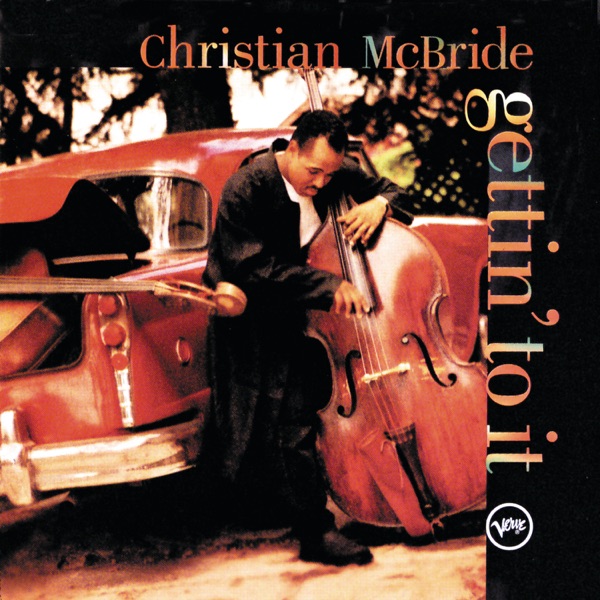


The musicians on this record
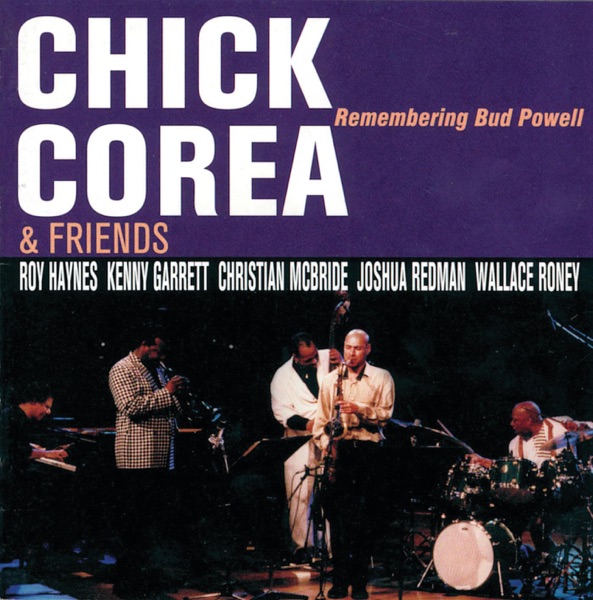
Remembering Bud Powell 1997
Chick Corea
plays piano here
plays piano here

Oneness 1997
Jack DeJohnette
plays drums (drum set) here
plays drums (drum set) here
♫
The Blues Chronicles: Tales of Life 1996
Gary Bartz
plays alto saxophone here
plays alto saxophone here

Things Unseen 1997
Kenny Barron
plays piano here
plays piano here