The Architecture of Restraint
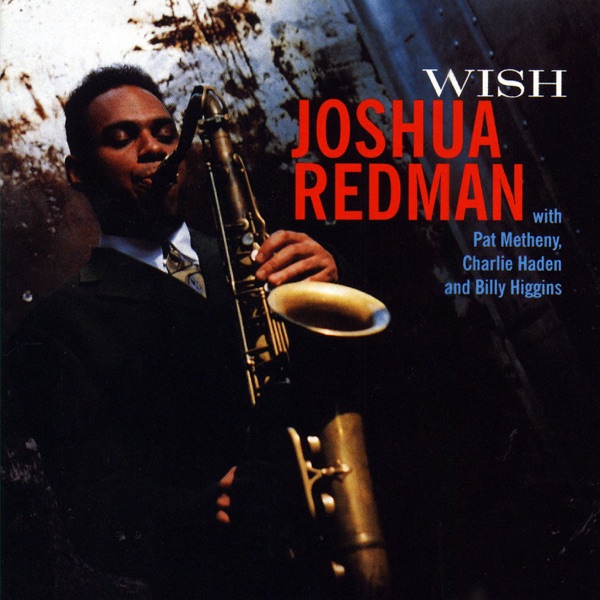
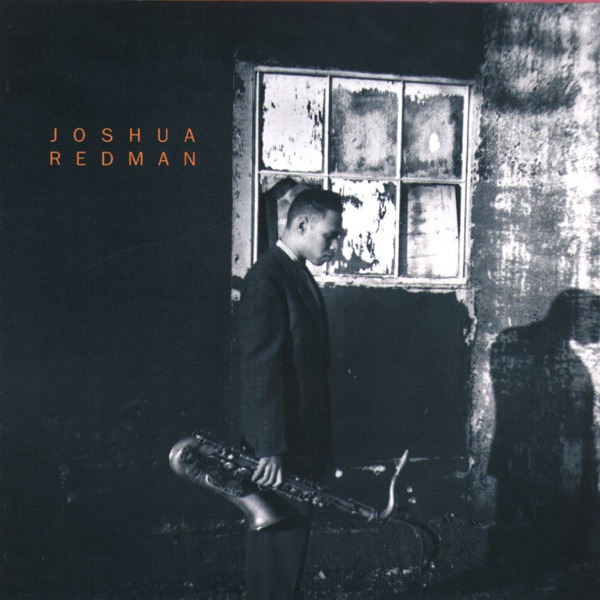
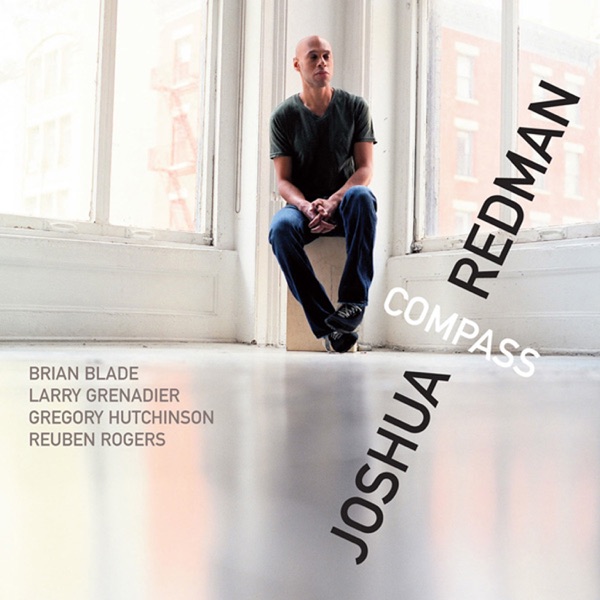
Joshua Redman showed up in New York in 1992 like someone coming home. His father Dewey Redman had helped invent free jazz, but Joshua didn't just copy that approach. He had his own way of thinking about music—he cared about what you *didn't* play as much as what you did. He built space into his solos, thought about balance. From the start, he could sit in anywhere, whether you wanted to play Ornette Coleman-style freedom or straight-up swing.
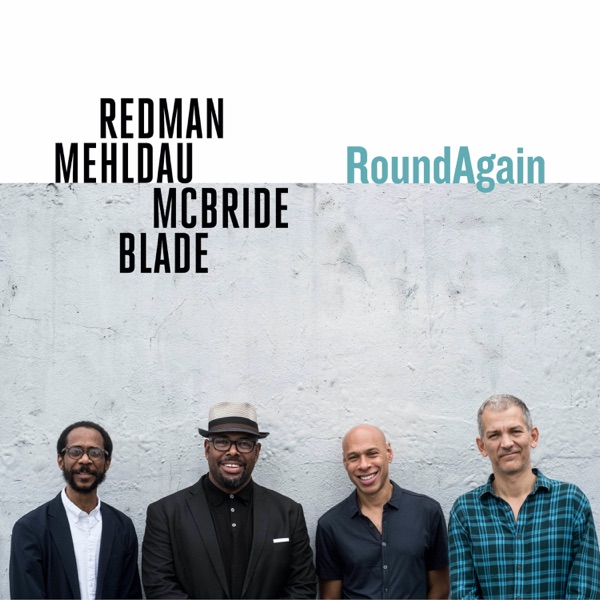
The thing about Joshua is that he genuinely doesn't like staying in one place. Instead of developing a signature sound and milking it for twenty years, he keeps finding musicians who make him uncomfortable in good ways. He's worked with pianist Brad Mehldau, bass player Christian McBride, drummer Brian Blade, and wild cats like Jeff "Tain" Watts. You could almost watch him absorb something new with each group, like he was learning to see from a different angle every time. That takes real security as a player—you have to trust that being shaped by others won't erase who you are.
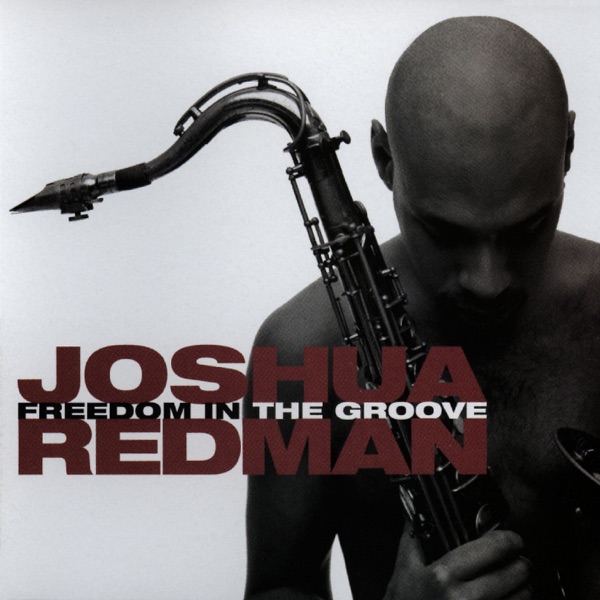
The Elastic Band, which he started in the 2000s, felt like everything clicking. Four musicians playing together but not locked into anything rigid. One moment it would feel like intimate chamber jazz, the next you'd hear funk grooves and hip-hop rhythms pushing through. The music just found its own way forward. His writing got better too—less reliance on standards and jazz clichés, more compositions that seemed to know exactly where they needed to go.
In recent years, Joshua's gotten quieter, more thoughtful. Records like Still Dreaming with McCoy Tyner and his work with American standards show someone who's interested in talking to jazz history, not running away from it. His tone is bigger now, richer, but he hasn't lost that openness that always made him compelling. While everyone else seems stuck choosing between old jazz or new jazz, Joshua just keeps adjusting, keeping the tradition alive without pretending it hasn't changed.