2009 · Album
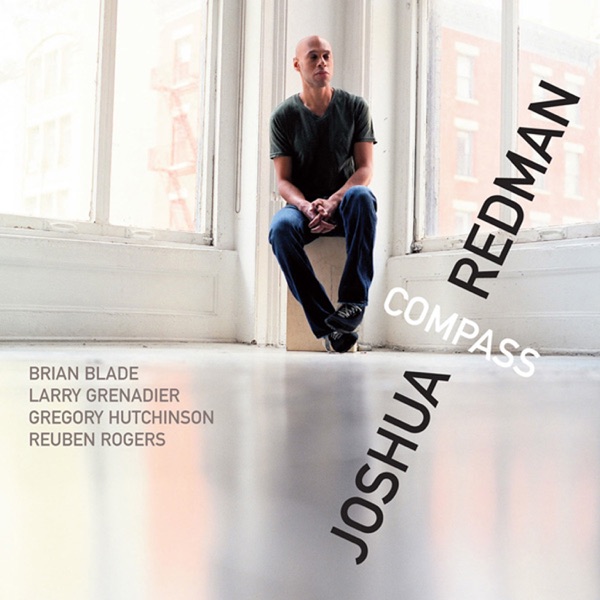
Compass
Nonesuch Records · Released: January 13, 2009 · Metacritic Score: 83%
Walking the Wire with Redman
Redman finally learned the greatest trick from his mentor — to trust the wire more than the net.
Compass marks a turning point for Joshua Redman. By this point in his career, he'd already made a name for himself as a saxophonist who could navigate standards and original material with equal fluency, but something shifts here. Thom Jurek of AllMusic noted that Redman's earlier album Back East (2007) had drawn comparisons to Sonny Rollins' Way Out West, and those echoes continue on Compass. But where Back East wore that influence visibly, Compass absorbs the lesson more completely. Jurek wrote that Redman "has finally learned the greatest trick from his mentor — to walk out on the wire with his horn more, trust the fluid abilities of his incredible rhythm section(s), and let his inner sense of song and freedom take precedence over his already well-established sense of discipline." That's the album in a sentence: Redman stepping back slightly, playing fewer notes, letting silence and space do more of the work.
The rhythm sections on Compass do the heavy lifting here, and that's the point. Rather than dominate every moment, Redman leaves room for the musicians around him to breathe. The effect is spacious and sometimes austere — this isn't a warm album. Daryl Easlee of BBC described it as "bleak, emotional and full of gravity," which captures the mood better than any polished description could. There's a seriousness to Compass that doesn't feel forced or academic. It's the sound of someone comfortable enough in his own abilities to pull back, to trust that less can be more.
The album landed on Metacritic at 83%, with strong reviews from outlets like Entertainment Weekly. It's not Redman's flashiest record, and it won't appeal to listeners who want to hear him in full virtuoso mode. But for anyone interested in how a saxophonist thinks about his role in an ensemble, how restraint can be just as expressive as speed, Compass is essential.
Who's playing
Larry Grenadierbass
Reuben Rogersbass
Joshua Redmantenor saxophone
Gregory Hutchinsonmembranophone
Brian Blademembranophone
Where next?
More by Joshua Redman
All 15 albums →