1992 · Album
Walking Shadows
Recorded 1992 · Warner Bros. Records · Produced by Joshua Redman

Tenor and Shadow in Conversation
Redman lets silence speak as loudly as his horn, creating space for real listening.
Walking Shadows sits in that middle territory where Redman sounds fully formed but still hungry. It's not his debut—he'd already established himself as a thinking player, somebody who approaches the saxophone as a conversation rather than a showcase. But this record feels like him finding his actual voice, the one that would define his best work. There's a restraint here that's hard to find in tenor saxophone records. He's not trying to prove anything. The tunes breathe. You notice what isn't being played as much as what is.
What makes this different from his other work is how much Redman trusts silence and space. He'll state a melody, then pull back and let the rhythm section live for a moment. It's a mature approach that suggests he's been listening hard to the ballad players, the ones who understood that economy and generosity aren't opposites. The interplay between horn and piano feels genuinely unpredictable—not in a chaotic way, but in the way a real conversation is. You don't know quite where it's going, which makes it feel alive. His tone is warm without being sentimental, direct without harshness.
If you're new to Redman, this isn't the worst place to start, but honestly, it rewards coming to it after you've spent time with his other records. There's nothing flashy here to grab you immediately. It's the kind of album that sneaks up on you over repeated listens, becoming more interesting each time because you notice different things in what he's doing with phrasing and timing. It's not his most celebrated work, but it's essential for understanding what makes him different from the usual tenor player—he thinks before he plays, and that changes everything.
Who's playing
Tim Cobbbass
Larry Grenadierdouble bass
Brad Mehldaupiano
Joshua Redmansaxophone
Pamela Sklarflute
Brian Bladedrums
Avril Brownviolin
Christina Courtinviolin
Stephanie Cumminscello
Karen Karlsrudviolin
Ann Leathersviolin
Vincent Liontiviola
Katherine Livolsiviolin
Joanna Maurerviolin
Eugene J. Moyecello
Courtney Orlandoviolin
Daniel Pannerviola
Dov Scheindlinviola
Yuri Vodovozviolin
Ellen Westermanncello
Bob CarlisleFrench horn
Where next?
More by Joshua Redman
All 15 albums →
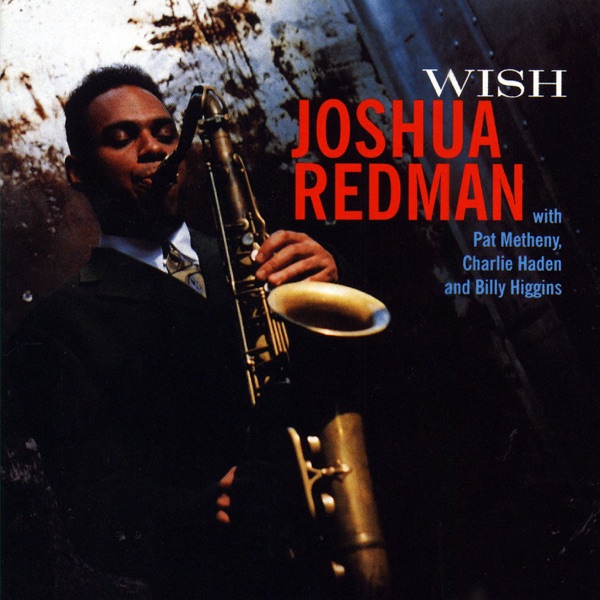
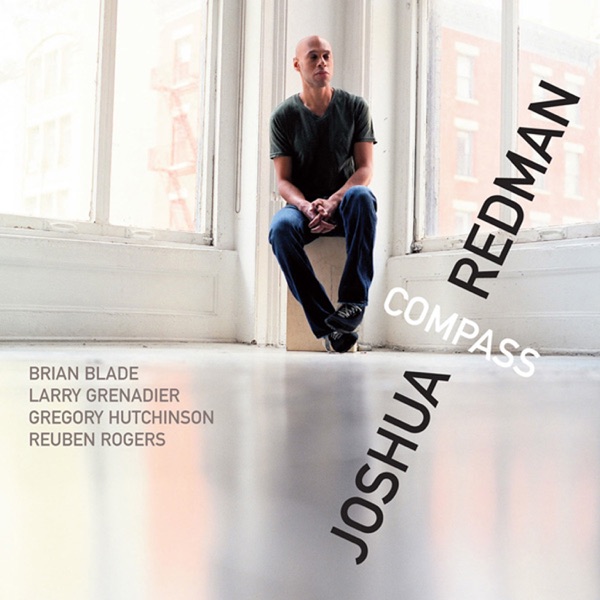
The musicians on this record
Their own records, close in time