1995 · Album
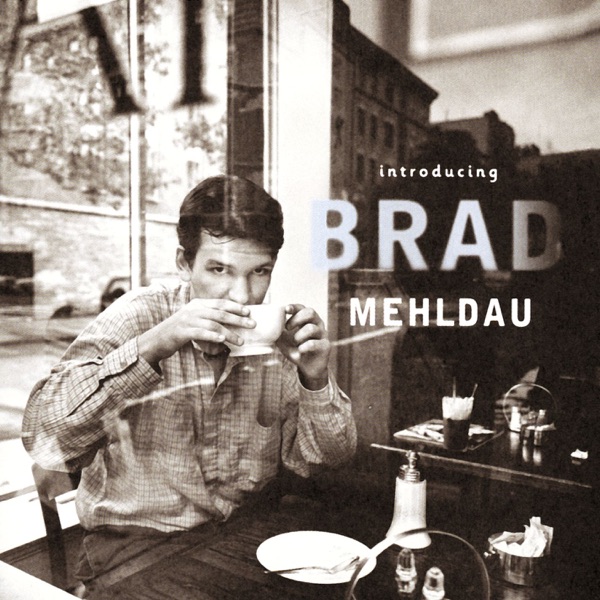
Introducing Brad Mehldau
Recorded 1994 · Warner Bros. Records · Produced by Matt Pierson
A Pianist Arrives, Quietly and With Purpose
Mehldau announces himself not with flash, but with ideas that won't leave your head.
Brad Mehldau didn't burst onto the scene. He arrived like someone who'd already thought everything through. Introducing Brad Mehldau is exactly what the title promises—a young pianist making his first real statement, and what's striking is how complete that statement feels. There's no wasted motion here, no sense of a musician still figuring out who he is. The trio format keeps things intimate and conversational. Mehldau's touch is clean and precise, his lines thoughtful without being showy. On tracks like "Resignation," you hear a player who understands how melody and harmony talk to each other, who knows that a well-placed space matters as much as a well-played note. His comping behind the soloists is sharp and responsive, never getting in the way.
What makes this debut distinctive is its restraint. This wasn't the flashy piano record the market might have expected from a young player. Mehldau seemed more interested in building small architectures, in letting standards breathe in his own way. The material itself is straightforward—jazz standards mostly, nothing obscure—but his readings feel personal. You sense someone who's listened carefully to the tradition and found his own angle into it, not by rejecting what came before but by taking it seriously.
If you're coming to Mehldau's work fresh, this is the natural starting point. It shows you exactly what his gifts are: harmonic sophistication, melodic clarity, and an almost conversational ease with the piano. It's not his most celebrated recording overall, but it's essential because it's where you hear the voice forming. Later he'd explore more ambitious projects and push his music in unexpected directions, but the foundations are all here—intelligent, unpretentious, and genuinely musical.
Who's playing
Where next?
More by Brad Mehldau
All 15 albums →


The musicians on this record
Their own records, close in time