Mehldau's Tokyo Conversations
A live recording that captures Mehldau thinking in real time, conversing with the moment.
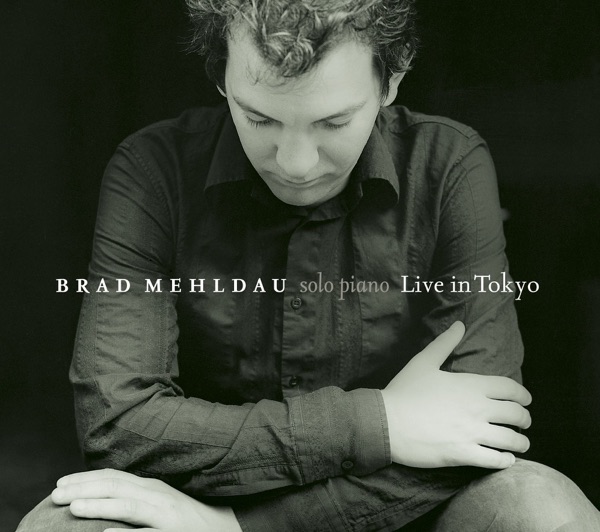
Brad Mehldau's Live in Tokyo (2004) finds him doing something he does better than almost anyone else: playing piano as a form of thinking out loud. This is a live recording, which means you get the actual shape of his ideas as they unfold—the hesitations, the sudden clarity, the way he'll abandon a harmonic path halfway through and find something better. There's no overdubbing this into perfection. What you hear is what happened that night.
Mehldau by 2004 was already known for his ability to make jazz sound like chamber music, introspective without being precious. His trio albums had established that he could build entire conversations around a melody. But a live solo piano recording—or a live recording period—puts different demands on a player. There's nowhere to hide. Mehldau doesn't hide. Instead, he opens up the kinds of pieces he works on, letting them breathe longer than they might on a studio date. The playing is direct and unhurried. He's listening to what the room gives back.
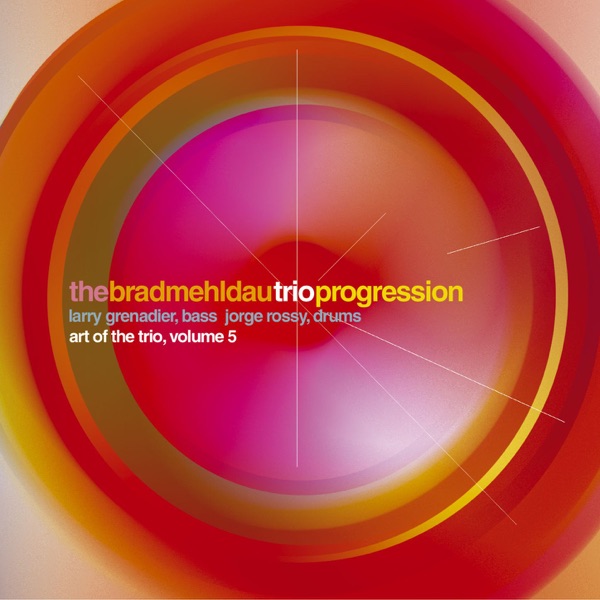
This isn't his flashiest album or his most adventurous. It's more useful as a document of where he stood as a player at that moment: secure in his approach, interested in harmony and phrasing above speed, comfortable enough to take risks with structure. If you already know Mehldau's work, this is worth seeking out. If you're new to him, start with Art of the Trio (1997) first—it's the clearer entry point. But if you want to understand what he values as a musician, what he listens for and what he tries to say, Live in Tokyo offers an honest answer.
Who's playing
Brad Mehldaupiano