Finding Space in the Spaces Between
Redman stretches beyond habit here, making room for uncertainty and breath.
Elastic finds Joshua Redman at a point where he's clearly tired of sounding like himself. This isn't a reinvention album exactly—it's more like he's decided to work without a net. The saxophone sound is still recognizably his, all that warm woody tone and conversational phrasing, but the music around it keeps shifting beneath his feet. He's not looking for comfort in these grooves. Instead there's a restlessness running through everything, like he's deliberately avoiding the paths his fingers know too well.
What makes this record distinct from his earlier work is how much space matters. The tunes breathe differently. There's actual air between the notes, and Redman seems genuinely curious about what might happen in those gaps. Songs don't resolve the way you expect them to. Melodies loop back on themselves or drift sideways rather than reaching for obvious destinations. It's the sound of a player who's listened enough to his own records and decided to get uncomfortable. The rhythm section locks in and pulls away in turns, keeping things slightly off-balance. This is music that trusts the listener to stay present rather than hum along.
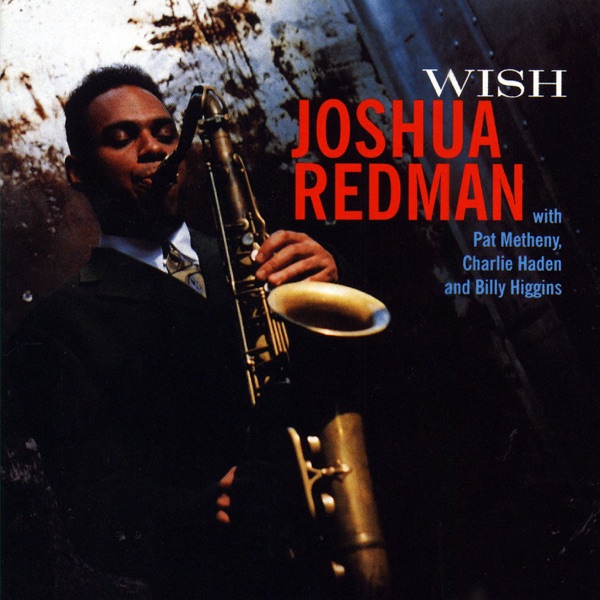
Elastic works best if you already know some of Redman's catalog. If you're just starting out with his music, begin with Wish (1993) or Moodswing (1994)—those records have more immediate hooks. But if you've spent time with those albums and want to hear where his curiosity actually leads, this is the record that pays off. It's not his most celebrated work, and it won't appeal to everyone. But it's genuinely adventurous in a way his more popular records weren't quite willing to be.
Who's playing
Where next?
More by Joshua Redman
All 15 albums →