Carmen McRae Sings Standards with Quiet Confidence
McRae's voice finds space between the notes, letting each lyric breathe without strain.
Book of Ballads is Carmen McRae doing what she did best: taking well-known songs and making them feel like private conversations. Arranged by Frank Hunter, this 1959 record strips away the big orchestral gestures you might expect from a ballads album. Instead, McRae gets room to move—her phrasing is conversational, sometimes almost casual, which makes the emotional weight hit harder when it arrives. She doesn't oversell anything. There's no vibrato for vibrato's sake, no held notes designed to impress. Just a singer thinking through the lyric.
This isn't the first record people reach for from McRae, but it's solid and often overlooked. If you know McRae from her uptempo sides or her more famous recordings, this one might surprise you with its restraint. She's accompanied by small group arrangements that give her space to breathe, and she takes that space seriously. The songs themselves are standards—the kind of material every jazz singer has tackled—but what matters here is how she handles them. There's intelligence in these readings, an understanding that a great ballad doesn't need to be dramatic to be moving.
You don't need this album to understand McRae's talent. But if you already respect her voice and want to hear her in a stripped-down setting where every choice becomes audible, it's worth seeking out. It's specialist interest for a reason—not because it's obscure in quality, but because it's a quieter album from an era that sometimes favored bigger gestures. That quietness is exactly what makes it worth your time.
Who's playing
Steve Swallowbass
Butch Warrendouble bass
Bob Cranshawdouble bass
Ron Carterdouble bass
Steve Kuhnpiano
McCoy Tynerpiano
Joe Hendersontenor saxophone
Kenny Dorhamtrumpet
Pete La Rocadrums
Elvin Jonesdrums
Al Fosterdrums
Where next?
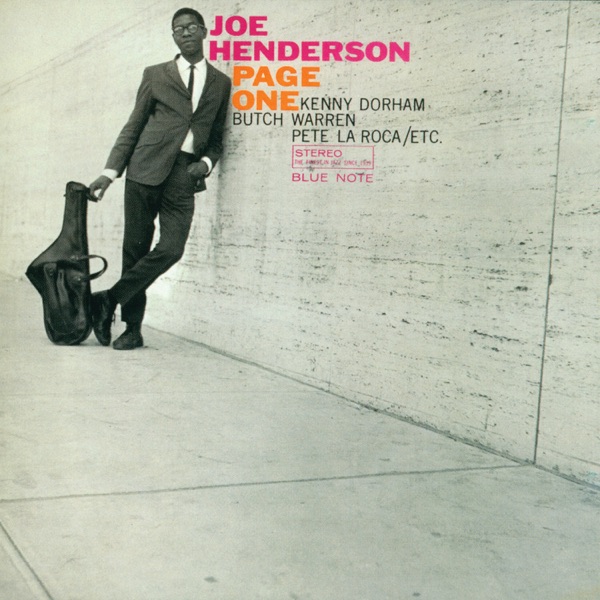


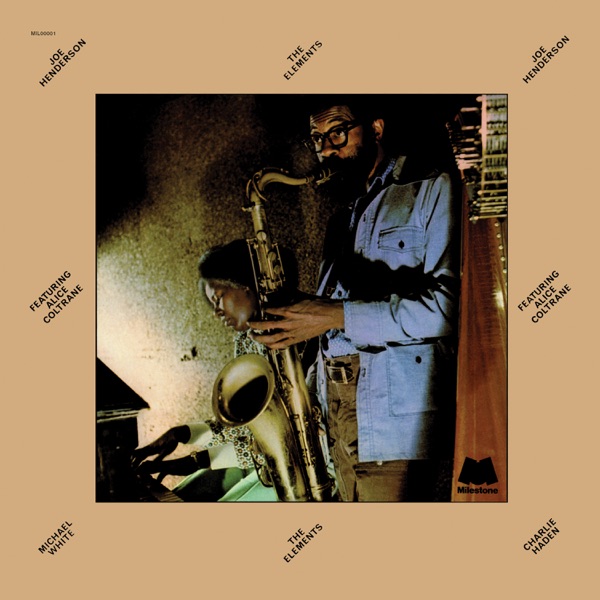
The musicians on this record

Soliloquy 1992
McCoy Tyner
plays piano here
plays piano here

Quiet Kenny 1960
Kenny Dorham
plays trumpet here
plays trumpet here

Dear John C. 1965
Elvin Jones
plays drums (drum set) here
plays drums (drum set) here
The Bass And I 1997
Ron Carter
plays double bass here
plays double bass here