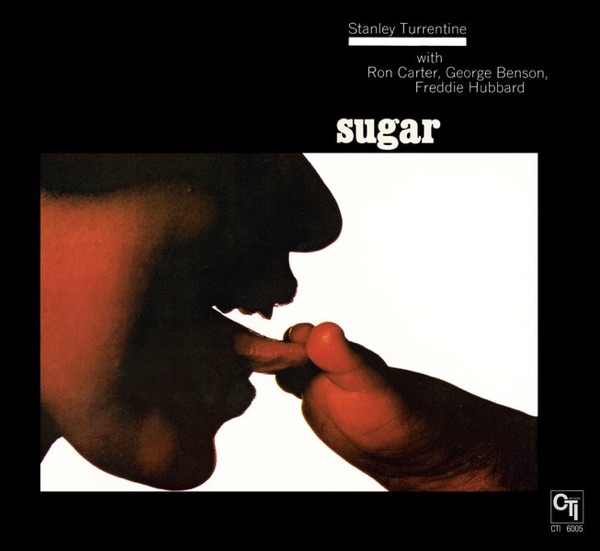
Sweet Breakthrough Into the CTI Years
Turrentine found his crowning achievement during jazz's growing pains, a record where every musician clicked.
Sugar arrived as an immediate success. Critics and listeners embraced it right away, and it has only grown in stature since. AllMusic reviewer Thom Jurek called it essential for anyone wanting to hear Turrentine beyond his Blue Note years, and All About Jazz critic David Rickert declared it a moment when a group of musicians simply clicked on all levels and rose into the stratosphere. This was Turrentine's first album for CTI Records after his long run at Blue Note, and it marked a clear shift in sound and approach.
The music itself lives up to the praise. Freddie Hubbard on trumpet and George Benson on electric guitar push Turrentine into territory that feels both modern and soulful. Ron Carter anchors the bottom with his usual elegance, and Billy Kaye drives everything forward with restraint and taste. The title track, sweetened by Lonnie Liston Smith's electric piano, has a warmth that caught people's attention immediately. The other selections feature Butch Cornell on organ and Richard Landrum on congas, giving those tracks a funkier, more earthy feel. Turrentine sounds relaxed and inventive throughout, not chasing anything, just playing.
This is a record that works because everyone involved knew exactly what the session needed. It landed at the right moment in the early 1970s, when jazz was changing but hadn't lost its soul. It remains one of his strongest albums and one of the best entry points for understanding Turrentine's post-Blue Note era.
Who's playing
Ron Carterdouble bass
Lonnie Liston Smithelectric piano
George Bensonelectric guitar
Stanley Turrentinetenor saxophone
Freddie Hubbardtrumpet
Butch CornellHammond organ
Billy Kayedrums
Richard Landrumcongas
Where next?
More by Stanley Turrentine
All 64 albums →

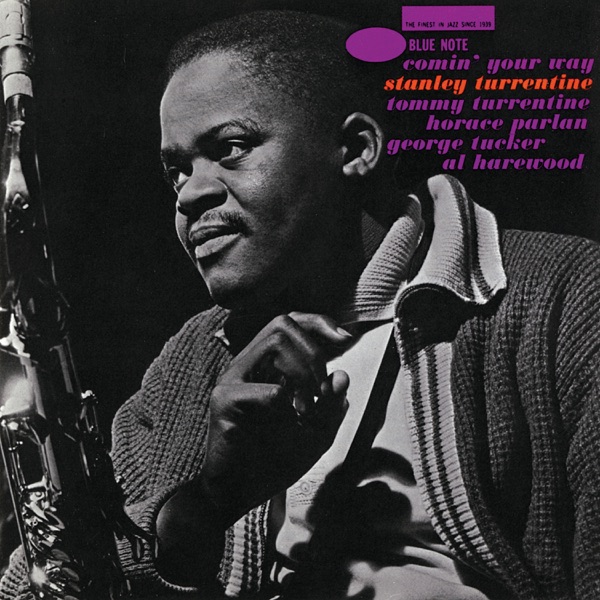

The musicians on this record

Red Clay 1970
Freddie Hubbard
plays trumpet here
plays trumpet here
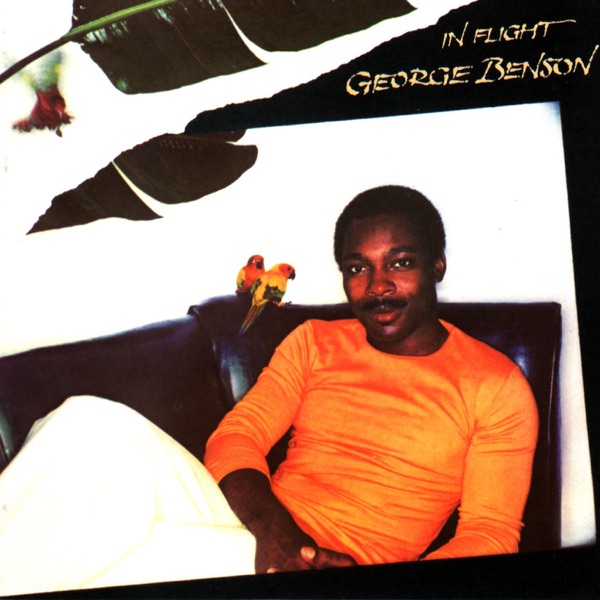
In Flight 1977
George Benson
plays electric guitar here
plays electric guitar here
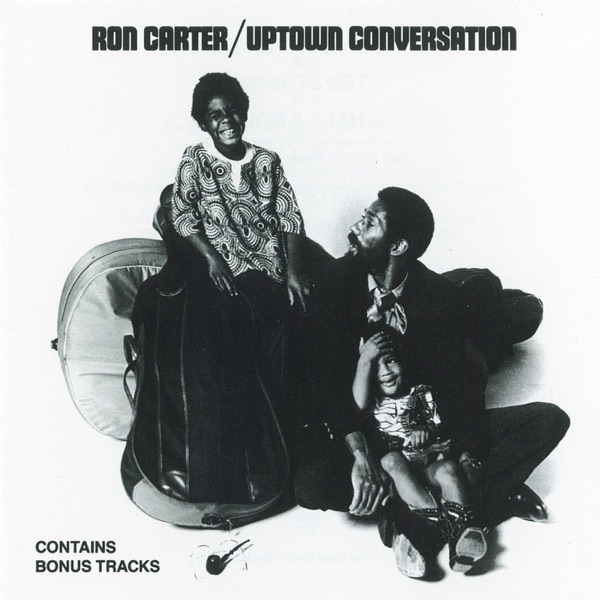
Uptown Conversation 1969
Ron Carter
plays double bass here
plays double bass here
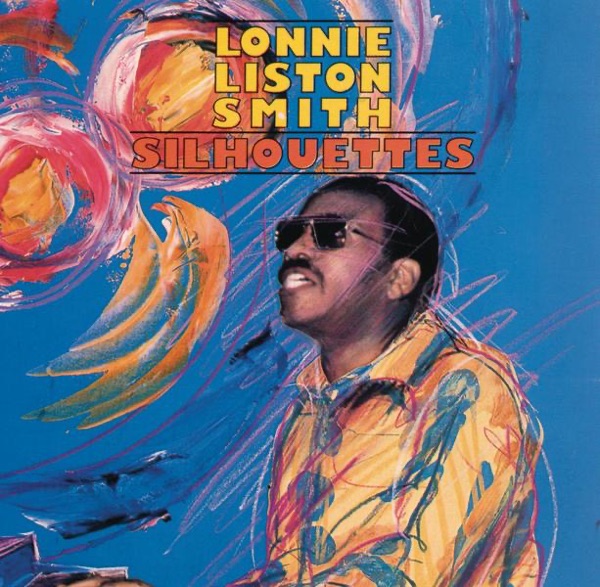
Silhouettes 1984
Lonnie Liston Smith
plays electric piano here
plays electric piano here


