Four Sessions, Four Years Later
A album held in the vault, finally released after Turrentine had moved on to another label.
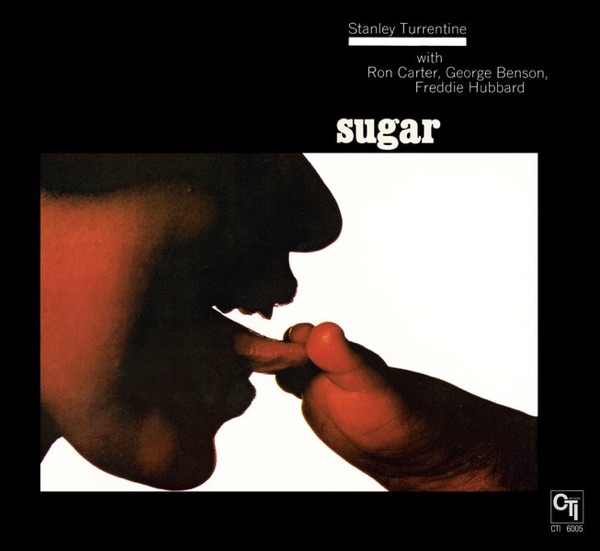
The Sugar Man arrives as a peculiar artifact — not quite a debut statement, not quite a peak moment, but something stranger: a record made during Turrentine's rise that only reached listeners after he'd already left. He recorded these sessions in 1971 for CTI, riding the wave of his successful debut Sugar, but the label sat on the material. By 1975, when The Sugar Man finally came out, Turrentine had signed with Fantasy Records and moved forward. That gap matters. This isn't a record that shaped his trajectory; it's a snapshot preserved in amber, released after the story had already turned a corner.
What's here across four separate recording dates is workmanlike and solid — Turrentine doing what he did well, a saxophonist comfortable in arranged settings with different conductors and orchestrations each time. The compilation nature means no unified vision, no through-line; instead you get four different windows into his work during a productive period. It's the kind of album that exists because studio time and master recordings have value, and someone decided the material deserved release even if its moment had passed.
This is not the place to start with Turrentine. Come to this after Sugar or after you've heard him in his CTI prime. The Sugar Man works best as a supplement — a way to see more of what he was capable of during those years, but without the urgency or focus of a record released while its momentum still mattered.