1976 · Album
The Man With the Sad Face
Recorded 1976 · Fantasy · Arranger and Conductor: David Van De Pitte

Turrentine Plays the Charts with an Orchestra
A large ensemble session where Turrentine tackles pop and disco hits with orchestral ambition.
When The Man with the Sad Face arrived in 1976, it landed quietly. AllMusic reviewer Michael Erlewine's assessment—simply noting it as a "very large group session"—captures the album's modest critical footprint. This was not a record that sparked immediate conversation or built a reputation over decades. It was a commercial release, a straightforward play by Fantasy Records to put Turrentine in front of material that had already proven its appeal on radio and dance floors. The strategy was practical rather than inspired: take a musician with an established sound and wrap him in orchestral arrangements of songs people already knew.
What you hear across these tracks is Turrentine doing exactly what he was hired to do. His tenor saxophone navigates through pop and disco standards arranged and conducted by David Van De Pitte, who brings ensemble discipline and the kind of lush orchestration that was common for jazz labels trying to compete with rock and soul releases in the mid-1970s. Turrentine's sound—warm, full, and immediately recognizable—sits comfortably in this context, though the formula of established jazz soloist plus contemporary pop hits was becoming routine by then. There's no particular tension or discovery here, just competent execution.
This is not where to start with Turrentine, and it's unlikely to be anyone's favorite in his catalog. It represents a moment when jazz musicians were expected to chase mainstream markets rather than lead them, and it shows the limits of that approach. The album exists as a period piece now, a glimpse of how the industry thought about reaching listeners in 1976.
Who's playing
Bob Babbittbass
Ron Carterbass
Buster Williamsbass
Paul Griffinpiano
John Millerpiano
Cornell Dupreeguitar
Eric Galeguitar
Lew Del Gattobaritone saxophone, cor anglais, flute
Stanley Turrentinetenor saxophone
George Youngalto saxophone, flute
Jon Faddisflugelhorn, trumpet
Lew Soloffflugelhorn, trumpet
Tommy Turrentineflugelhorn, trumpet
Wayne Andretrombone
Tom “Bones” Malonetrombone
Barry Rogerstrombone
Richard Trifansynthesizer
Idris Muhammaddrums
Crusher Bennettcongas, percussion
Dave Careyvibraphone
Julien Barberviola
Julius Brandviolin
Jim BuffingtonFrench horn
Bob CarlisleFrench horn
Peter Dimitriadesviolin
Emanuel Greenviolin
Theodore Israelviola
Jesse Levycello
Raoul Polikianviolin
Tony Poskviolin
Aaron Rosandviolin
Anthony Sophoscello
Where next?
More by Stanley Turrentine
All 64 albums →

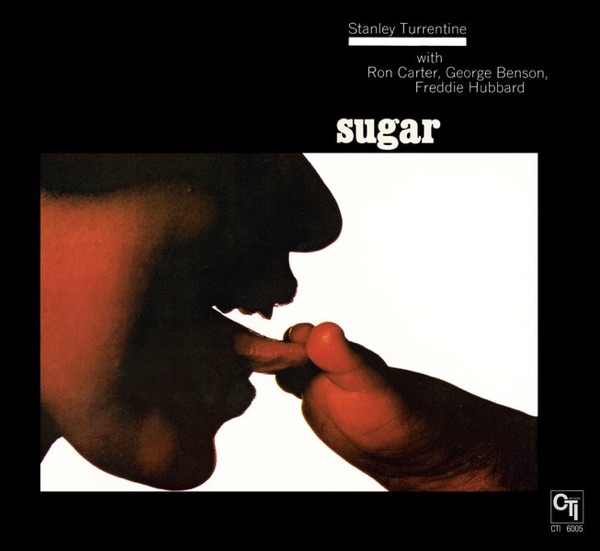
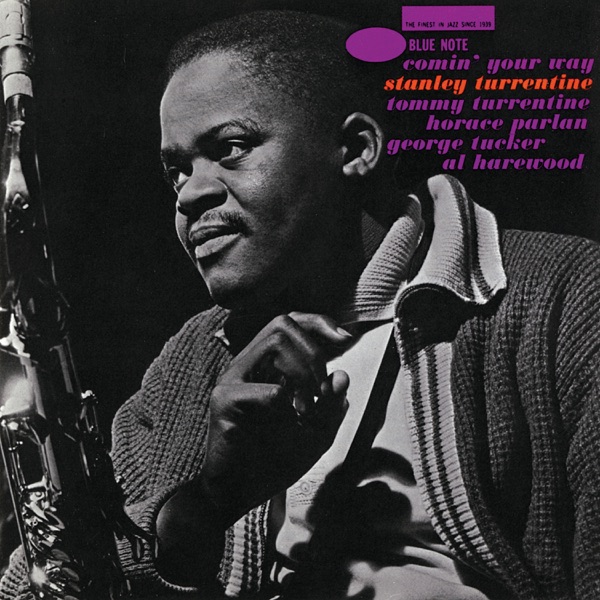
The musicians on this record
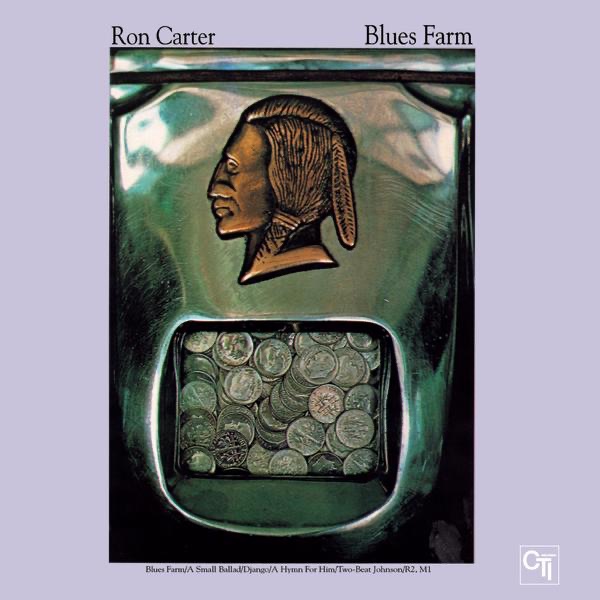
Blues Farm 1973
Ron Carter
plays bass here
plays bass here

Power of Soul 1974
Idris Muhammad
plays drums (drum set) here
plays drums (drum set) here
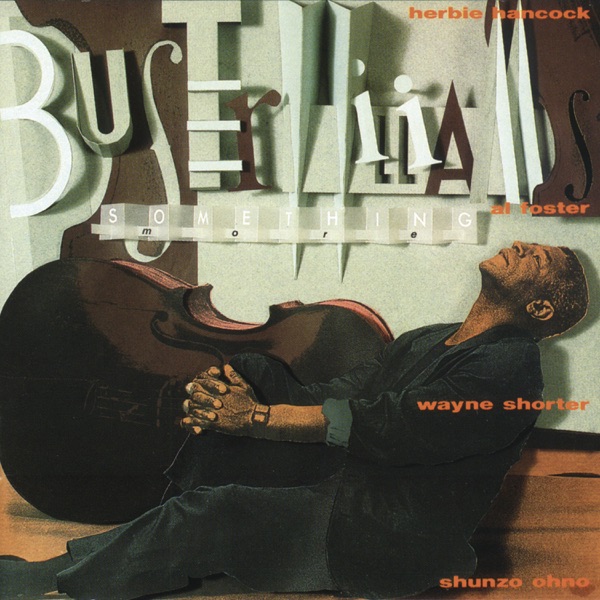
Something More 1989
Buster Williams
plays bass here
plays bass here
♫
Youngblood 1976
Jon Faddis
plays flugelhorn here
plays flugelhorn here


