1976 · Album
Everybody Come On Out
Recorded March 1976 · Fantasy · Arranger and Conductor: Wade Marcus
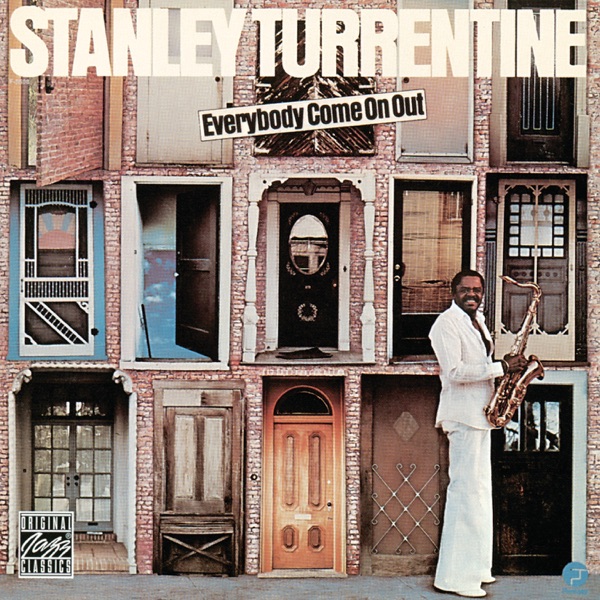
Wade Marcus Conducts Turrentine Through the Seventies
A large ensemble session where Marcus's orchestral arrangements give Turrentine's horn a lush, unexpected setting.
What makes Everybody Come On Out memorable is the presence of Wade Marcus, the arranger and conductor who shaped this session. By 1976, Turrentine was a seasoned voice in jazz, but Marcus had a different idea: wrap the saxophonist in a full orchestra, the kind of setting you'd find in a pop or soul session, and let him play current hits through a jazz lens. The result is neither pure jazz nor pop, but something in between—strings, brass, and rhythm designed to support Turrentine's warm, soulful tone rather than challenge it.
Recorded in March 1976 for the Fantasy label, the album captures a moment when jazz musicians were still willing to engage directly with popular music without apology. Marcus's arrangements don't condescend to the material; instead, they elevate it. The orchestra breathes with the saxophonist, giving him room to phrase naturally while the ensemble adds color and weight. It's a session-heavy approach, a big group working together in real time, the kind of thing you don't hear as often anymore.
This isn't Turrentine at his most challenging or exploratory. It's closer to a commercial move, something designed to reach listeners beyond the jazz audience. Whether that matters depends on what you want from him. If you're looking for Turrentine in a more straightforward jazz setting, look elsewhere. If you're curious about how a skilled arranger and a resourceful soloist handled the pop standards of their day, this session documents that moment clearly.
Who's playing
Richard Fevesdouble bass
Paul Jacksonbass
Lew McCrearybass trombone
Joe Sampleelectric piano
Craig McMullenguitar
Lee Ritenourguitar
Stanley Turrentinetenor saxophone
George Bohanontrombone
Charles Lopertrombone
Bill Summersbongos, congas, percussion
Dorothy Ashbyharp
Denyse Buffumviola
David Campbellviola
Ronald Coopercello
Glenn Dicterowviolin
Robert Dubowviolin
Winterton Garveyviolin
Pamela Goldsmithviola
Janice Gowerviolin
Michelle Grabviolin
Dennis Karmazyncello
Carl LaMagnaviolin
Robert Lipsettviolin
Mitchell Markowitzviolin
Harvey Masonmembranophone
Art Royvalviola
David Speltzcello
Charles Veal Jr.violin
Ken Yerkeviolin
Oscar Brashearbrass
Buddy Collettewoodwind
Bob Findleybrass
Chuck Findleybrass
William Greenwind instruments
Paul Hubinonbrass
Where next?
More by Stanley Turrentine
All 64 albums →

The musicians on this record
Their own records, close in time


