1964 · Album
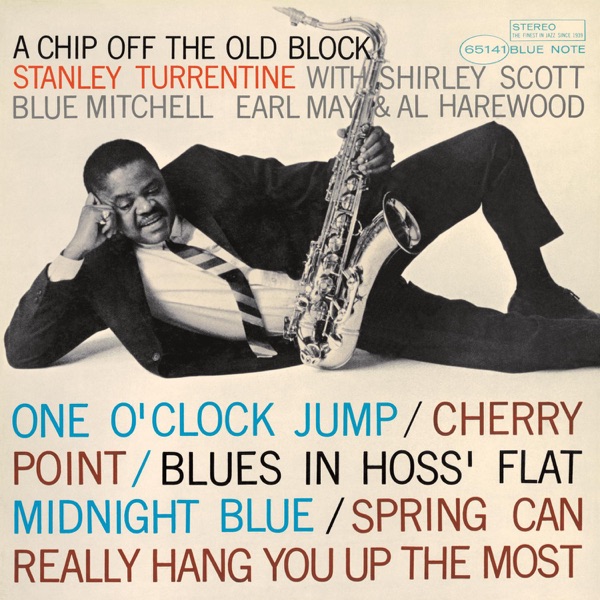
A Chip off the Old Block
Recorded October 21, 1963 · Blue Note · Released: August 1964
Basie's Shadow, Turrentine's Light
A lighter side of Turrentine, interesting precisely because it steps away from what he does best.
On October 21, 1963, Stanley Turrentine walked into the studio to record an album built entirely around the compositions and arrangements of Count Basie. The concept was deliberate: take one of jazz's most recognizable big-band voices and filter it through the intimate scale of a small group. What emerged was a curious record — respectful but restrained, a departure from the roiling, emotional tenor work that defined Turrentine's reputation.
The sparse approach Basie's material demanded sits uneasily with Turrentine's natural instincts. He was at his best when he could burn through a blues or a ballad with urgent conviction, and this album asks him to step back, to serve the composition rather than dominate it. There is value in that restraint. AllMusic reviewer Michael G. Nastos recognized it, calling the record an interesting showcase of Turrentine's lighter side, though he was honest enough to note it wasn't essential to his catalog.
This is not the place to begin with Turrentine. It's not a peak moment either. It sits as an intermission in his discography — a solid, occasionally inventive detour that works precisely because it doesn't try to be something it isn't. For committed listeners already familiar with his more essential Blue Note work, it offers a glimpse of an artist willing to subordinate his ego to a stranger's vision, even when that vision doesn't quite suit him.
Who's playing