Bossa Meets Soul Saxophone in 1971
Turrentine's warm tenor floats over samba rhythms in a collaboration that feels easy but never quite catches fire.
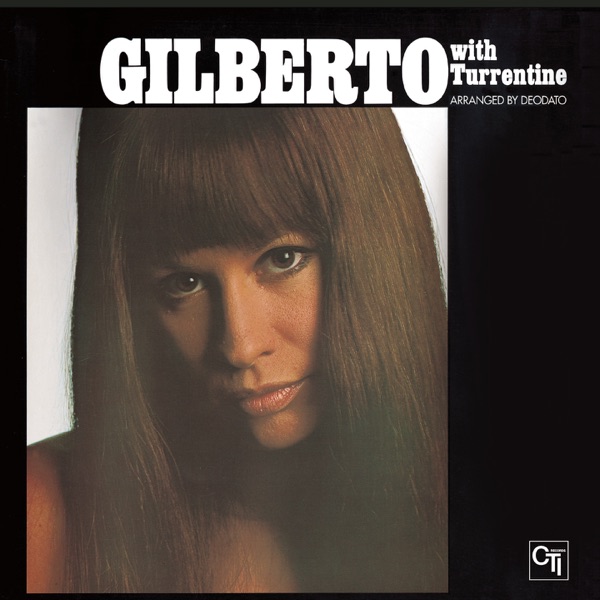
By 1971, Stanley Turrentine was already a working saxophonist with a solid run of soul-jazz records behind him. This pairing with Astrud Gilberto was not a statement of reinvention but a commercial move — matching his soulful tenor tone to her distinctive vocal style and the still-warm market for bossa nova fusion. The results are pleasant enough. Turrentine plays with his usual smoothness, his horn sitting comfortably alongside Gilberto's breathy, matter-of-fact phrasing. The CTI production is lush and polished, strings arranged to support rather than overwhelm.
Yet the album never quite clicks. Gilberto and Turrentine operate in different registers — she keeps things cool and restrained, he wants to push a little harder into the soulful side of the material. The rhythm section does competent work, but the chemistry feels assembled rather than lived-in. These are not musicians discovering something together; they are professionals fulfilling a session brief.
This is the kind of record that appeals to a specific moment: lovers of easy listening with a jazz pedigree, or completists tracking Turrentine's prolific output. It's not essential, and it doesn't rank among his stronger work. But it is exactly what it claims to be — a low-stakes encounter between two skilled singers working in adjacent styles, captured on one of the era's most expensive labels.