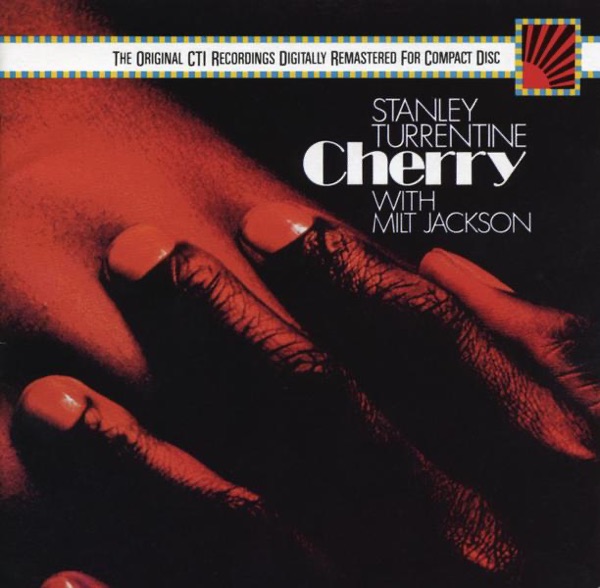
Milt Jackson Meets Stanley Turrentine's Soul
Jackson's vibraphone glides over Turrentine's warm tenor like two voices in easy conversation.
What makes Cherry (1972) work is the partnership between Stanley Turrentine's soulful tenor and Milt Jackson's vibraphone. Jackson brings a gentleness to these sessions that pulls Turrentine toward ballad thinking rather than the funkier grooves he was known for at this point in his career. The interplay between them is conversational — neither musician dominates, and neither needs to. Jackson's touch on the vibraphone is light and purposeful, never overstating. Turrentine meets him there, playing with more restraint than usual, letting space do some of the work.
This is a mid-career record for Turrentine, made when he had already established himself as a reliable soul-jazz voice. By 1972, he could have coasted on that reputation. Instead, he seems genuinely engaged by Jackson's presence, taking cues from the older musician's approach to melody and phrasing. The two find something tender in these arrangements without sacrificing swing or musicianship. It's not a landmark album or a turning point, but it's a solid, well-played session where two seasoned professionals made something warm and listenable.
AllMusic reviewer awarded it four stars, which feels right — this is skilled, unpretentious work that holds up. It won't change your life, but it rewards careful listening. If you already know Turrentine and want to hear him in a different light, or if you're drawn to Jackson's vibraphone playing, this is worth the time.
Who's playing
Ron Carterdouble bass
Bob Jamespiano
Cornell Dupreeguitar
Stanley Turrentinetenor saxophone
Billy Cobhamdrums
Milt Jacksonvibraphone
Where next?
More by Stanley Turrentine
All 64 albums →

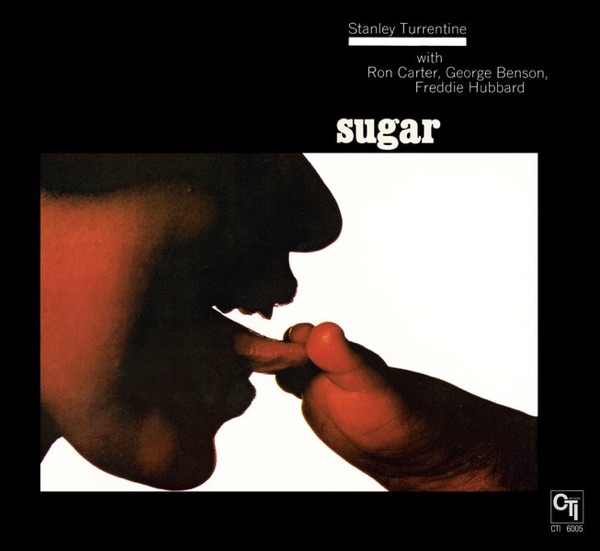
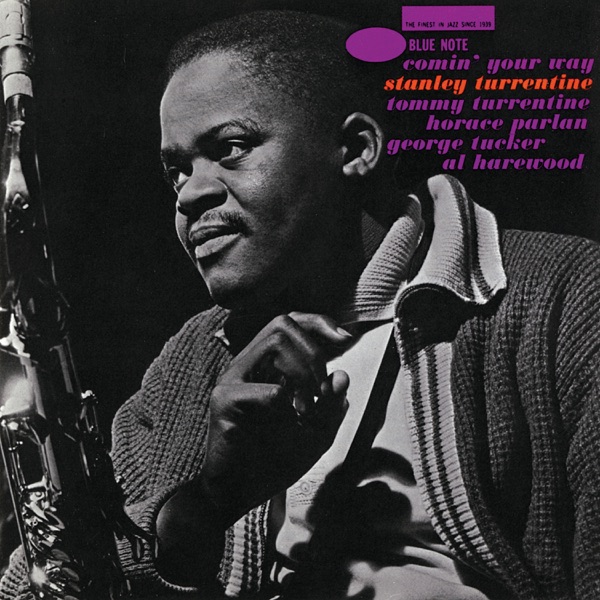
The musicians on this record
♫
Django 1959
Milt Jackson
plays vibraphone here
plays vibraphone here
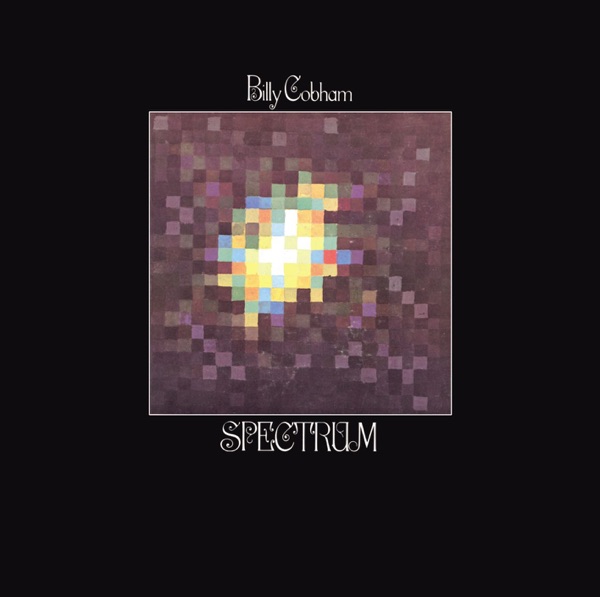
Spectrum 1973
Billy Cobham
plays drums (drum set) here
plays drums (drum set) here

One 1974
Bob James
plays piano here
plays piano here
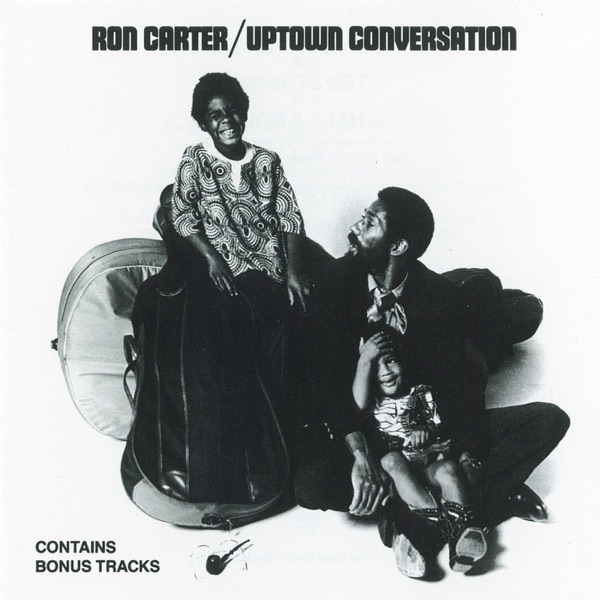
Uptown Conversation 1969
Ron Carter
plays double bass here
plays double bass here


