1967 · Album
Easy Walker
Recorded 1966 · Blue Note · Personnel: Stanley Turrentine (saxophone), McCoy Tyner (piano), Bob Cranshaw (bass), Mickey Roker (drums)
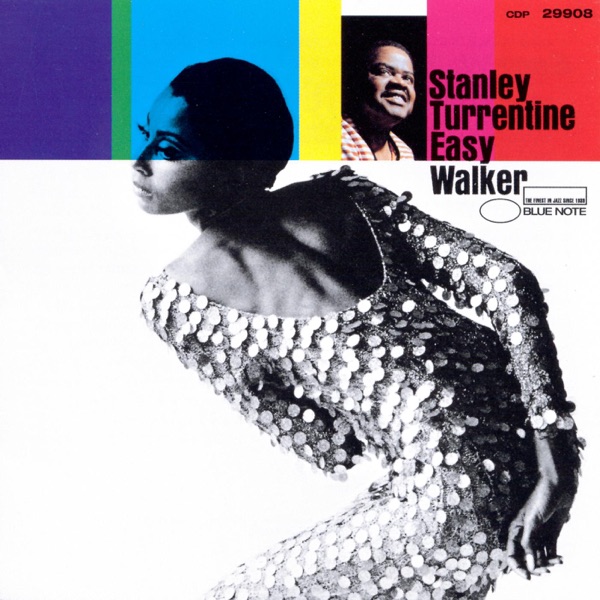
Groove and Space: Easy Walker Finds Its Footing
A solid soul-jazz session that lets good musicians work a groove without demanding anything difficult.
Easy Walker arrived in 1966 without fanfare. It wasn't the kind of album that seized critical attention on arrival or built a cult following over decades. Stephen Thomas Erlewine at AllMusic gave it four stars, acknowledging what the record actually does: it offers a relaxed, accessible soul-jazz setting where the musicians can stretch without the weight of challenging material. That's not a backhanded compliment—it's honest about the album's purpose. Stanley Turrentine leads the session with McCoy Tyner, Bob Cranshaw, and Mickey Roker, and the group settles into a warm, working groove that showcases their individual voices without demanding they prove anything.
What makes this worth hearing is straightforward: these are competent musicians playing with each other in a pocket where improvisation can breathe naturally. Tyner and Turrentine attack their respective instruments with clear signatures, neither overshadowing the other. The rhythm section stays sturdy and unobtrusive. Reviewers who came back to the album later—especially when Blue Note reissued it with bonus material in 1997—found something legitimate in that restraint. All About Jazz noted that the musicians "illustrate some of their finest playing of the period," suggesting that sometimes the best work happens when nobody is striving to be monumental.
This sits comfortably in Turrentine's catalog as a solid mid-period session, not a peak or turning point, but proof that a straightforward soul-jazz date, played well and recorded clearly, holds up. It doesn't demand your full attention, but it won't waste your time either.
Who's playing
Where next?
More by Stanley Turrentine
All 64 albums →

The musicians on this record
Their own records, close in time


