Five Voices in a Room, Swinging Easy
A straightforward session with five players who knew exactly what they were doing, delivering solid swing without pretension.
Happy Time captures Roy Eldridge in 1975 with a working group that had chemistry. The session brought together Ray Brown on bass, Oscar Peterson at the piano, Joe Pass on guitar, and Eddie Locke on drums — a lineup built for swing rather than experimentation. The recording stays grounded in what each player does well: Eldridge's trumpet work is direct and confident, Peterson drives the rhythm section with the kind of relentless swing that defined his playing, and Pass comps cleanly without stepping into the spotlight uninvited. Brown and Locke lock in tight, which matters more than it sounds — a solid foundation lets everyone else breathe.
By 1975, Eldridge had already made his mark decades earlier. This album sits somewhere in the middle distance of his career: not a defining moment, but the work of a seasoned player who still had plenty to say. The material itself is standard fare — jazz heads and standards that give the ensemble room to stretch without requiring anything revolutionary. The Penguin Guide to Jazz Recordings gave it three stars out of four, which feels about right for an album that swings hard and asks nothing more of the listener than to sit back and hear five musicians who understood their craft.
It's not the place to start with Eldridge, and it won't change your life. But if you want to hear what a straightforward jazz date sounded like in the mid-seventies — five players in a room, no gimmicks, no overreach — this delivers.
Who's playing
Where next?

The musicians on this record

Night Train 1963
Oscar Peterson
plays piano here
plays piano here
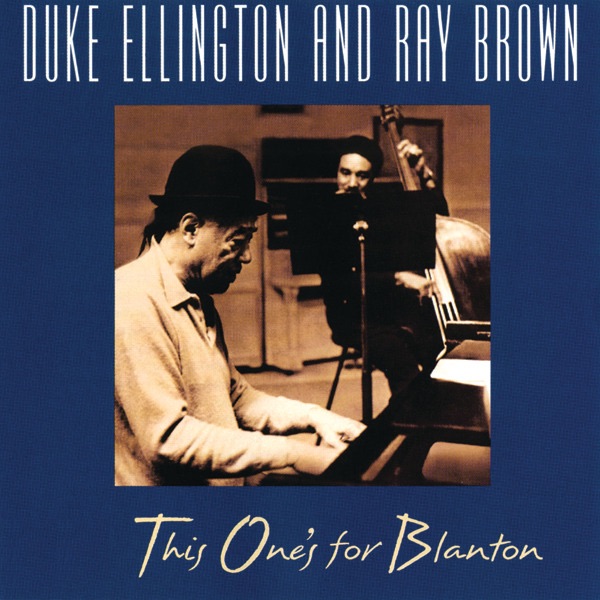
This One's for Blanton! 1975
Ray Brown
plays bass here
plays bass here

What It’s All About 1976
Roy Eldridge
plays trumpet here
plays trumpet here


