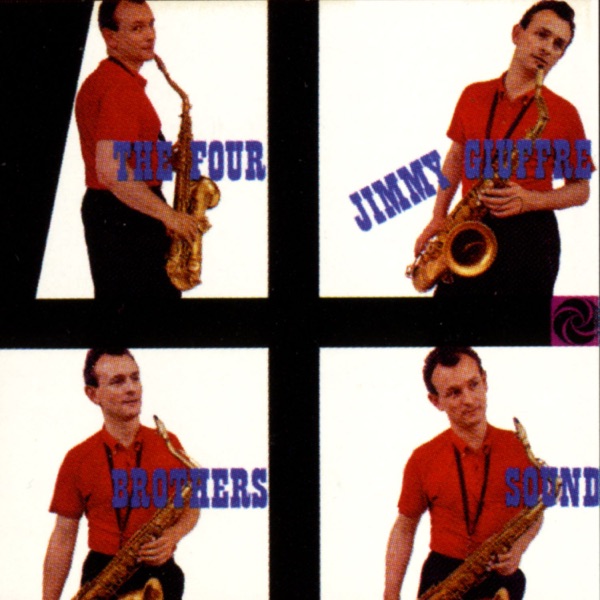
Three Musicians, No Safety Net
Giuffre removed the rhythm section entirely, forcing each player to find their own ground.
Western Suite arrived in 1960 to immediate critical attention. Ira Gitler's 1961 DownBeat review praised the interaction between the three musicians and found in the set a combination of lyricism and emotional depth. The Penguin Guide to Jazz Recordings later awarded it a perfect 4/4 rating, suggesting the album's reputation only solidified over time. It was neither ignored nor a cult object — it was simply recognized as serious work by musicians and writers who paid attention.
Giuffre's concept here was radical in its restraint. By removing the rhythm section entirely, he eliminated the usual anchors that hold a jazz group together. No drummer keeping time, no bassist walking changes. Instead, each player had to create their own sense of interval and phrasing while staying responsive to the others. Giuffre himself played some of his most controlled yet daring solos within this framework. The result swings with the ease of West Coast jazz but carries the structural ambition of classical composition.
This sits apart from much of Giuffre's other work. It's neither his early New Orleans-influenced recordings nor his later free-form experiments. Western Suite occupies its own space — a composed suite that functions almost like chamber music, yet with the spontaneity and interplay that defines jazz. If you want to understand what Giuffre was after as a composer and arranger, this album makes the case more clearly than most.
Who's playing
Where next?
More by Jim Hall
All 46 albums →

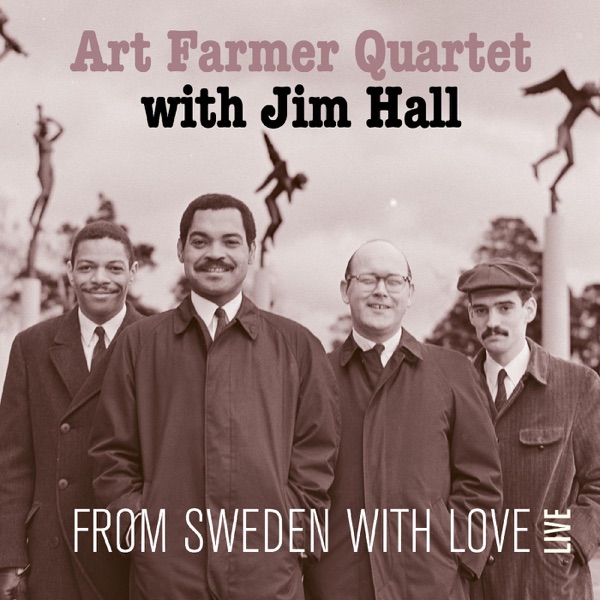

The musicians on this record
Their own records, close in time